Advertisement
Davji Atellah warns health worker shortage raises Ebola preparedness fears
Wednesday 03rd June, 2026 09:05 AM|
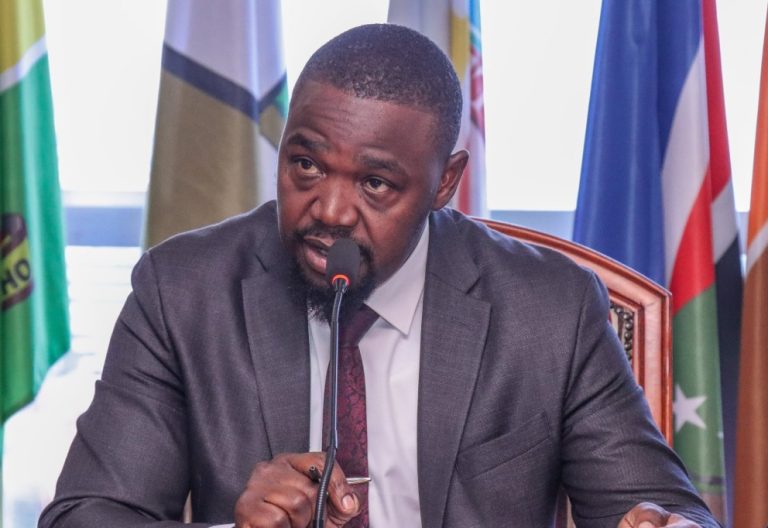
Kenya Medical Practitioners, Pharmacists and Dentists Union (KMPDU) Secretary General Davji Atellah has raised concerns over Kenya’s readiness to handle a potential Ebola outbreak, warning that shortages of health workers could weaken response efforts.
Speaking during an interview on K24 TV on Wednesday, June 3, 2026, Atellah said the country’s health system is already strained, with patients in public hospitals experiencing long waiting times before receiving care, while also questioning whether the country has the necessary workforce capacity to manage a high-risk outbreak.
Over 24-hour waiting time shows system strain
Atellah further noted that long waiting times in hospitals are already evidence of a strained system that could struggle in the event of an outbreak.
“Many patients who go to hospitals will wait over 24 hours to actually see a doctor,” he said.
You Might Also Like
He warned that such delays highlight limited capacity even before the country faces emergency pressure like Ebola.
Promised recruitment has not been done
Atellah warned that Kenya’s health system remains overstretched despite repeated government commitments to expand staffing levels.
“The reality is we have not seen the government employing health care workers,” he said.

He added that earlier promises, including pledges to recruit thousands of doctors and health workers, have not been fully implemented.
“It has been a promise. We were told there would be employment of health workers, but this has not happened,” he stated.
He argued that the staffing gap remains a major weakness in the health system, especially at a time when preparedness for infectious diseases is being emphasized.
Ebola care requires more manpower than we have
Atellah warned that Ebola management demands intensive medical attention, including more doctors, nurses, and clinicians working in strict shifts, which the current workforce may not adequately support.
“When there is an outbreak like Ebola, patients need more labour-intensive care than the normal population,” he explained.
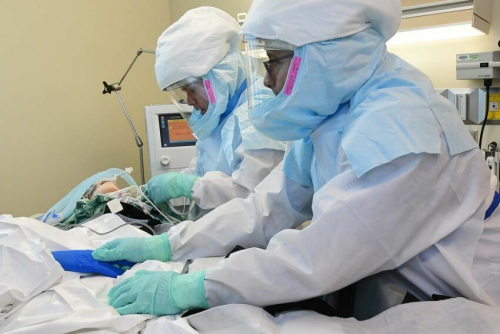
He said that without deliberate investment in recruitment and deployment of health workers, preparedness plans risk being overstretched in the event of an outbreak.
His remarks come amid ongoing national discussions on Kenya’s Ebola preparedness strategy, including the establishment of quarantine facilities and broader public health response measures.
Author
Latest News





Advertisement
More on News