Advertisement
Crucial victories for climate action in Bonn and London
Tuesday 01st July, 2025 07:20 AM|
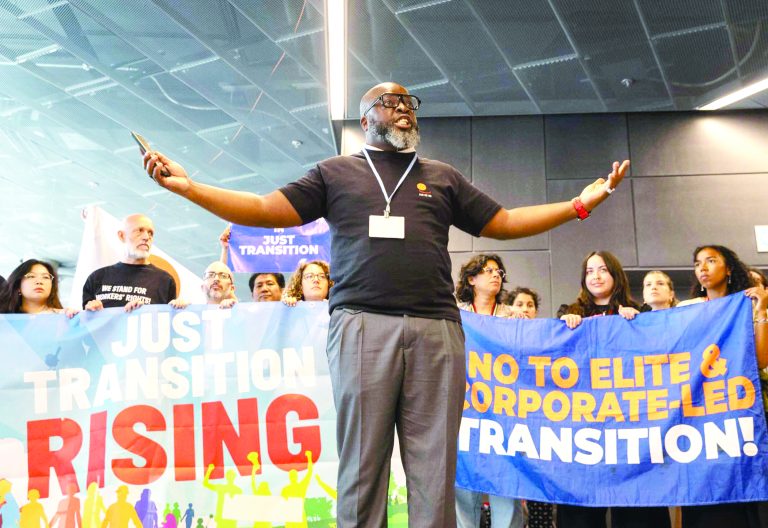
After two weeks of tense negotiations revolving around fossil fuels and finance in a tough geopolitical environment, the mid-year United Nations climate conference in Bonn, Germany, ended last Friday with little to celebrate.
The talks in the German city, which were intended to lay the groundwork for this year’s climate summit (COP30) in Belém, Brazil, started on a slow note as negotiators wrangled over the agenda before eventually settling into the drawn-out talks.
UN Framework Convention on Climate Change (UNFCCC) Executive Secretary Simon Stiell sombrely made an exhausted appeal as he acknowledged that the negotiations had struggled in some areas.
“We have a lot more to do before we meet again in Belém… We must find a way to get to the hard decisions sooner,” Stiell told the closing plenary.
You Might Also Like

However, despite the continuing deadlock between developing and developed countries on fossil fuels and finance, there were some small victories savoured in Bonn, as the negotiating process managed to hold together at the end of the conference.
There was a sense of relief as countries made headway on the just transition from fossil fuels in the energy systems and on adaptation to climate change.
Countries reached a last-minute compromise deal on the Global Goal on Adaptation (GGA), after their differences on how progress to adapt to climate change should be measured, as a fast-warming world increases the urgency of such action.
Funding adaptation
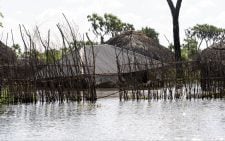
Established under the Paris Agreement 10 years ago, the goal is meant to support countries, especially the most climate-vulnerable, to bolster their resilience and preparedness for extreme weather linked to climate change, from deadly floods and heatwaves to droughts.
Where the financing should come from is a crucial part of it, and tracking the access and quality of this financing with yardsticks is another.
But discussions on choosing a wider set of GGA metrics almost collapsed due to disagreements between developing and developed nations over how the funding of adaptation will be measured to ensure developed countries are meeting their obligations to developing nations.
Many hurdles remain, though, to make the climate summit in Brazil a success, especially to overcome the minimal progress on efforts to reduce greenhouse gas (GHG) emissions that cause global warming.
Scientists early this year declared 2024 the hottest year ever recorded following nine record-breaking years of heat over the past decade.
The Earth’s average temperature increased to more than 1.5°C above pre-industrial levels for the first time in 2024, breaching the Paris Agreement threshold to avert the worst effects of global warming, and sending ominous signals.
Last year’s unprecedented temperatures fuelled heatwaves, drought, wildfires, storms and floods that killed thousands of people and displaced millions more.
Life has become dangerous with 1.3°C of human-induced warming, according to the World Weather Attribution (WWA), highlighting the urgency of moving away from planet-heating fossil fuels as quickly as possible.
“Every broken record was not just a number, but accompanied by people losing their lives and livelihoods in ever hotter heatwaves and devastating floods. Yet new oil and gas fields continue to open with increase in subsidies as fossil fuel emissions reach an all-time high,” notes WWA Co-lead Dr Friederike Otto, while quoting the latest Intergovernmental Panel on Climate Change report, which clearly shows we have the technology and knowledge needed to switch to renewable energy supply, reduce demand and change transport systems.
Implementing these, Friederike noted, is not only largely cheaper and more reliable than fossil fuels, but has enormous health co-benefits.
On a positive note, the Bonn talks laid the foundations for a new mechanism on a just transition to a low-carbon world and gave guidance on a list of indicators to measure global advances on adaptation, ideally to be agreed on in Belém.
The step on adaptation came at the last minute after a compromise was reached to include indicators on the “means of implementation” – essentially on finance, according to Climate Home News, an award-winning independent digital publication reporting on the international politics of the climate crisis, which stated in its latest edition:
“The scarcity of money to help the Global South adapt to a warming planet has been an Achilles heel of the UN climate process for years – and there will be pressure for a new target at COP30”.
No decision was made in Bonn, as the UNFCCC had wanted, on which country would host COP31, before the summit in Brazil, to give enough time for preparations, as Türkiye refused to back down in the face of growing support for its rival, Australia.
Modest gains
Another key task – approving the budget for the UN climate secretariat’s core activities in 2025 – fared better, although the 10 per cent increase mandated was less than the 24 per cent UNFCCC had asked for – and even that wouldn’t have been enough to cover everything it needs to do.
With the US unlikely to pay its share of one-fifth, Climate Home observed, the begging bowl will be out,”.
“This is a modest but vital investment, because this process is humanity’s only means of preventing climate-driven global economic meltdown, with terrible human costs,” said Stiell.
“Just as we have no Planet B, there is no Process B”.
Despite the vital achievements of that process in setting the world’s climate goals ten ago with the Paris Agreement, in the last few days, there was more excitement at the London Climate Action Week that ended on Sunday.
“Outside of these halls (in Bonn), the transition is accelerating,” noted Stiell – and that’s where the COP30 presidency put its efforts, with Brazil’s ministers and top diplomats making appearances at numerous events in London.
Brazil’s environment minister, Marina Silva, on Thursday made an interesting suggestion to a question from Climate Home about how to break the impasse on transitioning away from fossil fuels in energy systems agreed at COP29 in Dubai.
For the first time, she proposed that a roadmap to guide “a planned and just transition to end fossil fuels could come out of COP30, alongside another on halting forest loss and the already anticipated plan to boost climate finance for developing countries to US$1.3 trillion a year by 2035.
Climate Home also hosted its own event at the London Climate Action Week, which discussed how the mining industry can break with the human rights abuses and polluting practices of the past in meeting rising demand for critical minerals needed in the clean energy transition.
The good news is that a concerted push for more robust regulation, community development and targeted funding could make responsible mining a reality, according to experts on the panel Climate Home hosted with the Business & Human Rights Resource Centre.
London Climate Action Week hosted one of the world’s largest climate action festivals, with over 700 events tackling the urgent issues facing humanity’s future.
The events attracted people working in finance, clean energy, policy business, building change at the community level, from food to energy, fashion to sport, climate governance to nature. It was a week of ideas, action and momentum across the whole of society, according to the organisers.
Author
Alberto Leny
View all posts by Alberto LenyLatest News







Advertisement
More on News