Advertisement
Computer misuse and cybercrime amendment bill headed for second reading
Thursday 14th August, 2025 08:52 AM|
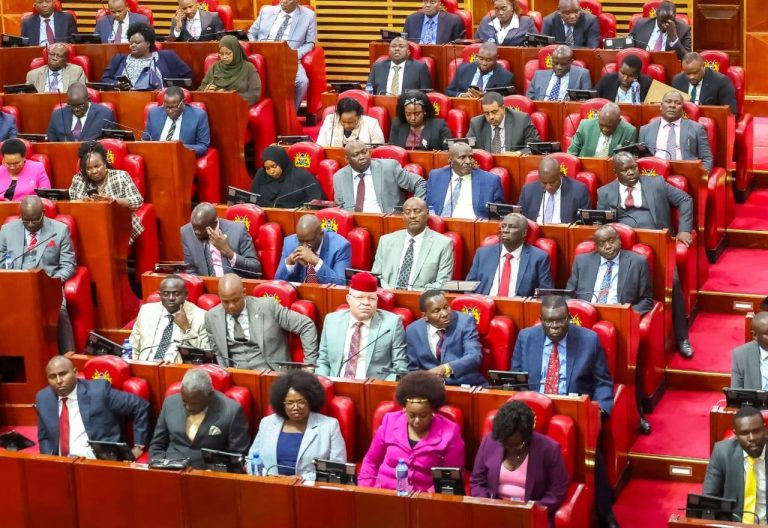
The National Assembly is set to consider the proposed amendments to the Computer Misuse and Cybercrime Amendment Bill of 2024.
The bill sponsored by Wajir East MP Aden Mohamed is scheduled for a second reading at the National Assembly, where MPs will scrutinize its key proposals in widening the scope of the 2018 Cybercrimes Act.
The bill introduces new clauses and amends existing ones to expand the scope of cybercrimes such as unauthorized access, phishing, and SIM swap fraud.
Broadened definitions
It also broadens key definitions, including ‘asset’ to encompass virtual property like cryptocurrencies. While the bill aims to enhance cybersecurity, several of its proposals have sparked significant public debate and criticism.
You Might Also Like


The bill proposes to amend Section 27 of the Act to expand the scope of cyber harassment to include communication that is ‘likely to cause a person to commit suicide.’
This amendment aims to address the severe psychological effects of online harassment.
Most controversial amendments
The most controversial provisions are those perceived as a threat to fundamental freedoms, particularly free speech. One key proposal grants the National Computer and Cybercrimes Coordination Committee (NC4) the power to issue directives to render a website or application ‘inaccessible’ if it is deemed to promote illegal activities, extremist practices, or child pornography.
Critics argue this provision is overly broad and lacks judicial oversight, creating a mechanism for government censorship and the arbitrary blocking of online platforms.

Equally, the vague wording, such as ‘promotes illegal activities,’ critics argue, could be used to criminalize public discourse, dissent, and political speech.
Furthermore, the bill criminalizes the unauthorized alteration and unlawful taking of another person’s SIM card, with a penalty of up to Ksh200,000 or two years in prison, or both.
While this targets SIM swap fraud, critics contend the penalties are disproportionate for an act that is often a preparatory step to a different crime.
Generally, the bill is seen by many as a step towards expanding government control over the digital space, raising concerns about its potential impact on civil liberties and the digital economy.
Author
Arnold Ngure
View all posts by Arnold NgureLatest News








Advertisement
More on News