Advertisement
China urges Iran to accept full ceasefire amid escalating conflict
Wednesday 06th May, 2026 11:21 AM|
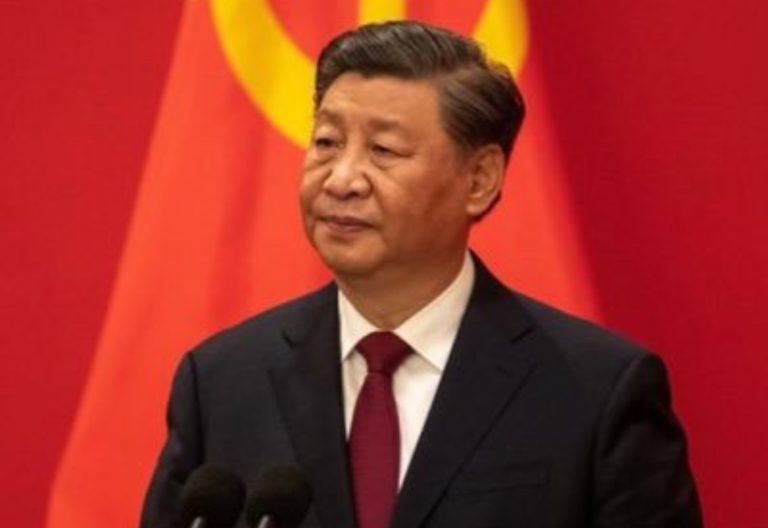
Chinese Foreign Minister Wang Yi on Wednesday, May 6, 2026, told his Iranian counterpart Abbas Araghchi that China was “deeply distressed” over the war that has lasted more than two months and said a “comprehensive ceasefire” was needed.
China’s top diplomat met with Araghchi in Beijing, the first time the Iranian foreign minister travelled to China since the war with the U.S. and Israel started on February 28, 2026.
“We believe that a comprehensive ceasefire is urgently needed, that a resumption of hostilities is not acceptable, and that it is particularly important to remain committed to dialogue and negotiations,” Wang said, according to a video of the meeting.
During the meeting, Araghchi said that China is a close friend of Iran and that bilateral “cooperation will even become stronger under current circumstances”, the Iranian Students’ News Agency reported.
You Might Also Like
“We will do our best to protect our legitimate rights and interests in the negotiations. We only accept a fair and comprehensive agreement,” he added regarding talks between Iran and the US to end the US-Israeli war on Iran that has disrupted regional energy infrastructure and global oil and gas supplies.
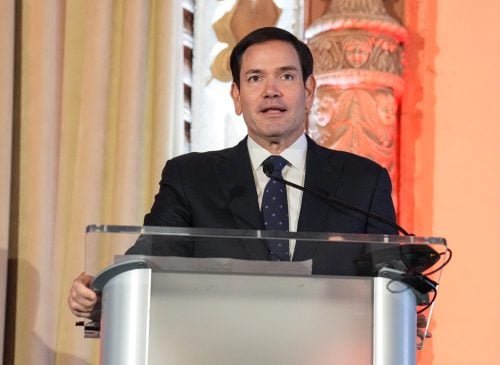
Earlier in Washington, DC, US Secretary of State Marco Rubio had called on Beijing to press Iran to lift its chokehold on the Strait of Hormuz.
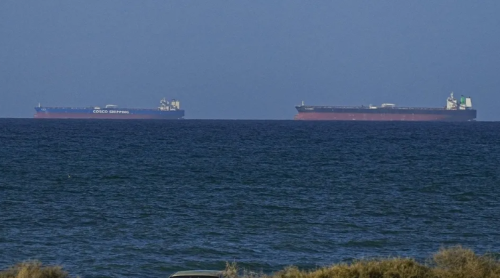
Iran in effect closed the strait, through which one-fifth of the world’s oil and gas supplies pass, after the war began, pushing fuel and fertiliser prices sharply higher and prompting fears of a global recession.
Following a ceasefire in April, the US imposed its own blockade on Iranian ports in a bid to compel Tehran to agree to Washington’s terms in peace talks.
The war has also strained relations between Washington and Beijing, with the US sanctioning Chinese companies it accuses of purchasing billions of dollars’ worth of Iranian oil. Beijing hit back on Saturday, with the Ministry of Commerce ordering Chinese companies not to comply with the sanctions.
said two issues were expected to dominate the agenda in Araghchi and Wang’s meeting – maintaining the ceasefire and reopening the Strait of Hormuz.
The ceasefire
“We know that China has been very critical of the US’s naval blockade on Iranian ports, calling it dangerous. But increasingly, Beijing has also been critical of Iran’s decision to continually close that vital chokepoint,” Yu said.
Wang was also expected to speak to Araghchi about what kind of support China can continue to offer Iran if it continues to close the Strait.
“Iran will need Chinese backing, for example, at the United Nations, to continue to block any action that would put any additional sanctions on Iran because of its closure of the strait,” Yu said.
“Reportedly, the Iranian foreign minister is looking for clarity from Beijing as to what it will put on the table when Xi meets with Trump, and whether Beijing will be making any concessions to Washington that could make Tehran nervous.”
China, in return, “wants its own assurances that Iran won’t act in any escalatory way or any dramatic fashion in the lead-up to that very important meeting”, she added.
Author
Latest News



Advertisement
More on News