Advertisement
Bad laws the bane of scrap metal trade
Tuesday 03rd May, 2022 07:01 AM|
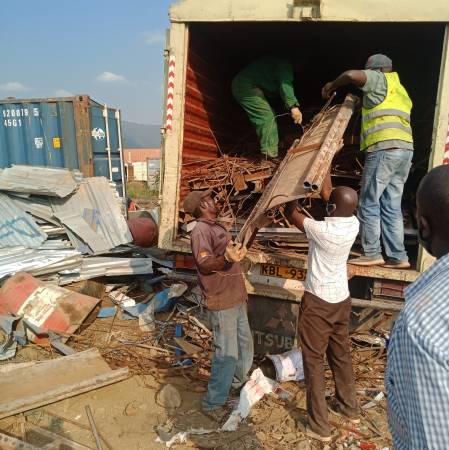
While the move by the government to lift the ban it imposed on export and dealings in scrap metal offers relief to traders in the sector, unscrupulous dealers must be put in check.
That will only be possible if dealers who were hurt the most moved out of their cocoons and started showing that they are willing to self-regulate and suggest how the business can be done properly.
Otherwise, it may get to a point where the country must make a choice between allowing the business and protecting critical infrastructure which was being targeted by rogue dealers.
Government must focus on setting up policy guidelines that will ensure only legitimate businesses operate. This will make them traceable and will ensure they do not prey on strategic installations for steel.
It is unfortunate that the Scrap Metal Act that was enacted in 2015 is yet to take effect. It means there are no regulations to govern the trade. The law must be effected to ensure the sector serves the nation well. If it has loopholes then amendments should be made.
It is important to note that, despite all the noise from the sector, most dealers are not licensed making accountability difficult.
It is worrying that only 20 scrap metal dealers are licensed, and according to the State, 91 traders currently have their applications pending which raises questions about the willingness to streamline the sector.
There is a need for the government to quickly invite the private sector and form a multi-agency to deal with loopholes.
Most importantly, the State must make it easier and put more incentives to ensure that more traders are licensed, and shut the door to those who are unwilling to stick to the rules. This is the only way to keep track of the source of their metal.
While this now opens the market for the possibility of more illicit trade in scrap metal, there is a need for more stringent penalties on unscrupulous dealers, some of whom may start to export the product to neighbouring countries through the porous borders.
That is why while the law says offenders are liable to a jail term of up to 20 years or a fine of Sh20 million or both, considering stiffer penalties to offenders may stop traders on their tracks given that this is economic sabotage at its best.
Author
PD columnist
View all posts by PD columnistLatest News








Advertisement
More on News