Advertisement
AU warns US – Iran conflict could hit African economies hard
Saturday 28th February, 2026 06:50 PM|
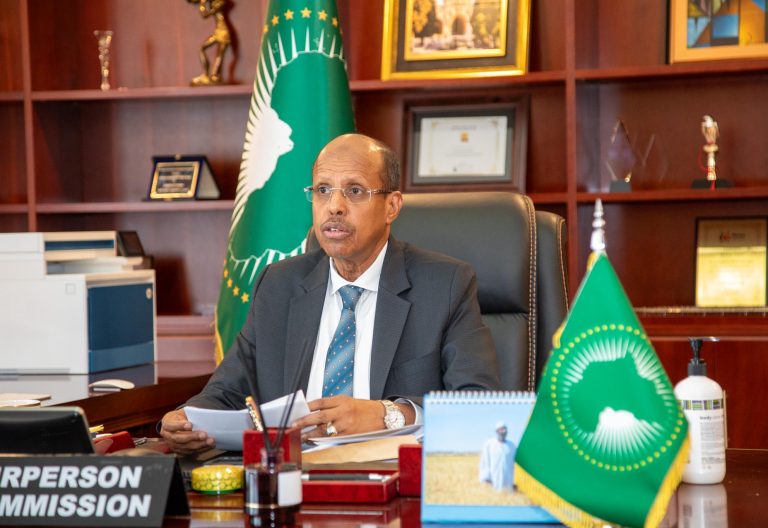
African leaders reacted swiftly to the recent US and Israeli strikes on Iran, with the African Union (AU) taking center stage in calls for restraint and diplomacy.
The AU Commission Chairperson, Mahmoud Ali Youssouf, issued a stark warning on February 28, 2026, emphasising the potential economic impact of the conflict on the continent.
US and Israeli forces targeted Iranian sites in what they described as a pre-emptive move against nuclear threats. In response, Iran fired missiles at US bases and neighbouring countries, escalating tensions across the Middle East.
Youssouf expressed deep concern over the strikes. He urged all parties to show restraint and engage in dialogue, underscoring that international law and the UN Charter must guide actions to protect global peace.
You Might Also Like
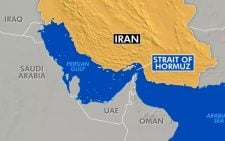
The AU highlighted Africa’s vulnerability, warning that further escalation could worsen global instability, affect energy markets, threaten food security, and strain economic resilience – particularly in nations already facing conflict and economic pressures.
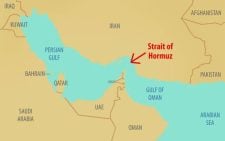
Oil prices surged as the strikes disrupted Gulf shipping routes, including the Strait of Hormuz, through which much of Africa’s imported fuel passes. Rising fuel costs could drive inflation in oil-dependent economies such as Nigeria and South Africa.
Kenya shares similar sentiments
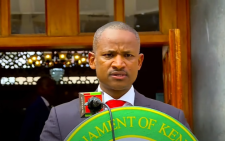
Kenya’s government echoed these concerns. Cabinet Secretary for Investments, Trade, and Industry, Lee Kinyanjui posted on X saying:
“The ongoing conflict in the Middle East will have a direct impact on Kenya’s export basket. We enjoy thriving trade with Middle East countries, where supplies of meat, vegetables, coffee, tea, and flowers top the list.”
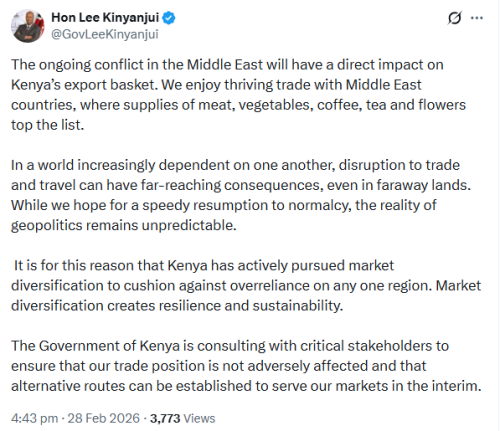
He noted that Kenya is pushing for market diversification to build resilience, but disruptions could halt flights and shipments, hurting farmers and exporters. Other African voices also emphasised the stakes.
Global push
Global leaders joined calls for de-escalation. UK Prime Minister Keir Starmer condemned Iran’s retaliatory strikes and chaired an emergency Cobra meeting.
“Iran must seek a negotiated solution,” he stated.
Downing Street confirmed that the UK did not participate in the strikes but deployed jets to Qatar for defensive purposes. French President Emmanuel Macron urged a UN Security Council meeting, warning of a “regional catastrophe.”
AU chair, Youssouf, highlighted Oman’s mediation efforts as a potential path forward, reiterating:
“Sustainable peace can only be achieved through diplomacy, not through force.” The AU encouraged support for these talks to prevent a deeper crisis.
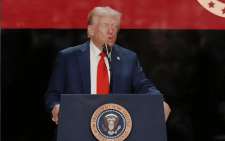
The strikes follow months of buildup. US President Donald Trump described the operation as massive and ongoing, aiming to end Iran’s nuclear ambitions, while Iran vowed a strong defence, targeting US assets in Gulf states.
For Africa, the immediate fallout could mean pricier imports, strained national budgets, and logistical disruptions.
Author
Kenneth Mwenda
Kenneth Mwenda is a business, sports, and politics digital writer with over seven years of experience in journalism, covering breaking news, feature stories, and in-depth analysis across a range of beats.
For inquiries, he can be reached at [email protected]
View all posts by Kenneth MwendaLatest News


Advertisement
More on News