Advertisement
6 new Ebola cases confirmed in Uganda
Tuesday 02nd June, 2026 05:21 PM|

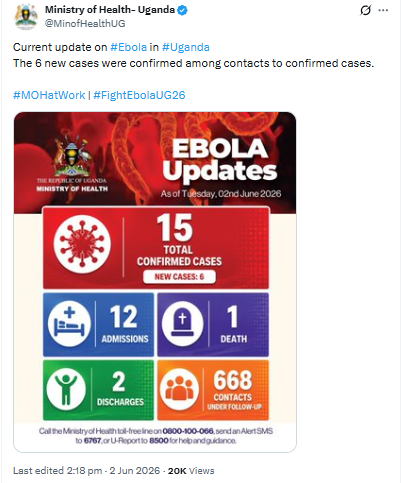
Uganda’s Ministry of Health confirmed six new Ebola cases on Tuesday, June 2, 2026, all traced to known contacts of previously confirmed patients.
Officials said the new infections bring the country’s total confirmed cases to 15.
The ministry posted the update on its official X account, saying:
“The 6 new cases were confirmed among contacts to confirmed cases.” Health teams continue to monitor people who came into contact with infected patients as part of ongoing tracing efforts.
You Might Also Like
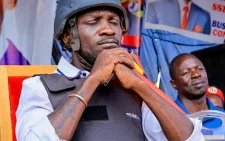
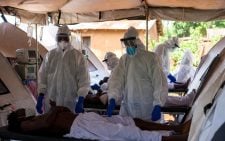
Contact tracing remains central to Uganda’s response. Authorities say 668 contacts are under active follow-up, with health workers checking them daily for symptoms during the 21-day incubation period. So far, two patients have recovered and been discharged, while others remain in treatment centres.
One death has been recorded since the outbreak was confirmed in the country.
/X
Uganda’s outbreak is linked to cross-border transmission from eastern Democratic Republic of Congo (DRC), where Ebola cases have risen in recent weeks. The World Health Organization (World Health Organization) has reported hundreds of confirmed infections in the region, even as it revised down earlier estimates of suspected cases after ruling out other illnesses.
Despite the revised figures, health workers warn the outbreak remains difficult to control. Dr Abdou Sebushishe, who works with the International Medical Corps in eastern DRC, said contact tracing gaps are slowing progress.
“Instead of coming to healthcare services, they take alternative solutions with traditional healers or other alternatives, and contribute further to spread the outbreak,” he said. “My message is that Ebola is real.”
He also warned that response teams are overstretched. “I think the outbreak is outpacing the current response,” he said, adding that limited protective equipment and staffing shortages are affecting frontline workers. He noted that health workers account for a significant share of new infections in some areas.
Early reporting urged regionally
The WHO Director-General, Dr Tedros Ghebreyesus, has urged faster treatment and early reporting of symptoms. Speaking during a recent visit to the region, he said: “If you come early, and if you get the medical care support, as others have survived you can survive as well.”

The International Organization for Migration (International Organization for Migration) has also warned that border closures alone will not stop the virus. Deputy Director-General Ugochi Daniels said movement patterns must be understood and monitored rather than restricted without coordination.
“Viruses do not stop at borders, and neither should our response,” she said. “When borders close, people often continue moving through informal routes where health screening and surveillance are limited.”
Uganda has stepped up border screening and community surveillance since the outbreak began. Health teams are checking travellers at key entry points and isolating suspected cases quickly. Officials say early detection has helped limit wider spread so far.
Ebola spreads through direct contact with infected bodily fluids, and symptoms include fever, vomiting, muscle pain, and internal or external bleeding in severe cases. Health officials continue to stress that early treatment improves survival chances.
Uganda’s current outbreak is part of a wider regional health emergency affecting eastern DRC and neighbouring countries. The virus has repeatedly crossed borders in recent years due to trade, travel, and displacement in the region.
Author
Kenneth Mwenda
Kenneth Mwenda is a business, sports, and politics digital writer with over seven years of experience in journalism, covering breaking news, feature stories, and in-depth analysis across a range of beats.
For inquiries, he can be reached at [email protected]
View all posts by Kenneth MwendaLatest News





Advertisement
More on News