Mpox in Kenya: What to know about symptoms, transmission and how to stay safe
By Kenneth Mwenda, November 25, 2025Kenya is reporting a rise in Mpox cases, with new infections confirmed in Homa Bay and Kisumu counties. Health officials say the country remains one of the high-risk areas in Africa, as cases continue to spread in both coastal and urban regions.
Clade Ib, a newer strain that has already appeared outside Africa, has been detected locally. As of October 2025, Kenya had reported more than 700 confirmed Mpox cases and nine deaths, with the virus found in over half of the country’s counties.
The latest cases offer a reminder that Mpox is still present and spreading. In Homa Bay, a 44-year-old man from Ndhiwa developed symptoms while invigilating KCSE examinations. He is now isolated at the Homa Bay Teaching and Referral Hospital.
Another patient, a 42-year-old man in Kisumu County, began showing symptoms while still in Juba, South Sudan, before travelling on a bus to Kenya. Health officials have identified four contacts and placed them under observation.
With more counties reporting infections, many Kenyans are asking how the virus spreads, what symptoms to watch for and whether Mpox is deadly. Here is what to know.
Symptoms of Mpox
Mpox symptoms usually appear 5 to 21 days after exposure. The illness often begins with flu-like signs before the rash develops. The main Mpox symptoms include:
- Fever
- Headache
- Muscle aches
- Back pain
- Swollen lymph nodes
- Chills
- Fatigue
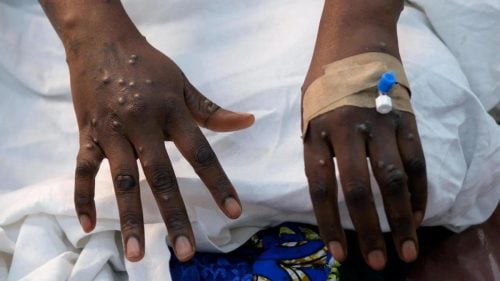
A few days after these early signs, an Mpox rash appears. It can start as small spots before turning into blisters and then scabs. The rash may appear on the face, palms, soles, genitals or any part of the body. It is the most recognisable symptom and a strong warning to seek medical attention immediately.
Doctors in Kenya say people with underlying health conditions, especially HIV, face a higher risk of severe illness. Africa CDC reports that the case-fatality rate for clade 1b in Kenya is about 2 per cent, which is on the higher end among affected countries.
Also watch: Kenya receives 10,700 Mpox vaccine doses as infections double since December.
How Mpox spreads
Understanding Mpox transmission is key to stopping the outbreak. The virus spreads through:
- Direct contact with an infected person’s rash or body fluids
- Touching contaminated items such as bedding, clothes or towels
- Prolonged face-to-face contact
- Sexual contact
- Contact with infected animals, including rodents
Health officials warn that Mpox can infect anyone, but certain groups face a higher risk. They include health workers, travellers, people who care for infected individuals, children, pregnant women, immunocompromised people and those with multiple sexual partners.
Is Mpox deadly?
While most people recover, the disease can be severe. It also depends on the strain and the patient’s health. Clade 1b, which is circulating in Kenya, has caused a higher number of deaths across Africa.
“An increase in the number of deaths is the major concern,” said Yap Boum, deputy incident manager for Africa CDC’s mpox response, noting that many of the fatal cases are in people with underlying health conditions, especially HIV.
Underlying illnesses increase the risk.
Africa CDC says Mpox deaths in Africa remain one of the biggest concerns. Many fatal cases involve people with chronic conditions who do not get early support. Kenya’s rising infections and the presence of clade Ib have placed the country on the WHO watchlist.
Is Mpox curable?
The virus has no specific cure, but it is treatable. Most patients recover with supportive care at home or in hospital. Treatment focuses on easing symptoms, preventing dehydration and managing complications. Early medical attention improves outcomes.
For severe cases, doctors may use antiviral medication recommended by health authorities, but availability varies across countries.
Mpox Vaccine: what to know
A Mpox vaccine exists, and several countries are using it to protect high-risk groups. The LC16 vaccine has already been deployed in the Democratic Republic of Congo, where thousands of people, including children, have been vaccinated. Africa CDC is working with partners to increase vaccine supply across the continent.
Kenya plans to roll out vaccination in targeted areas, especially where transmission is high. The Ministry of Health says vaccines will complement testing, contact tracing and public awareness efforts.
How to avoid Mpox
With rising cases, Kenyans are urged to take practical steps to avoid Mpox. Health officials recommend:
- Wash hands regularly with soap and water
- Avoid close contact with anyone who has a rash or fever
- Do not share personal items such as towels, clothes or bedding
- Limit sexual partners
- Avoid contact with wild animals and do not eat bushmeat
- Seek medical care if symptoms appear
- Follow county health advisories and isolation guidelines
Kisumu and Homa Bay counties have increased surveillance and urged travellers, especially those using public transport, to report symptoms promptly. Anyone who was on the same bus as the Kisumu patient has been advised to get checked.
Kenya issues Marburg warning
Kenya’s health authorities are also responding to another cross-border threat after Ethiopia confirmed a Marburg virus disease (MVD) outbreak in Jinka. The Kenya National Public Health Institute (KNPHI) has warned all counties to heighten preparedness, strengthen surveillance and activate isolation plans.
Ethiopia has reported several deaths, with the Africa CDC saying the outbreak has reached epidemic levels. The virus, a member of the Filovirus family, causes severe haemorrhagic fever and can kill up to 90 per cent of patients. Marburg spreads through contact with fruit bats, infected people, or contaminated surfaces.
KNPHI Acting Director General Kamene Kimenye urged counties to enforce strict infection-prevention protocols, train health workers on safe patient management, and intensify monitoring at health facilities and points of entry.
She also emphasised community awareness, warning the public to avoid handling bushmeat-especially bats and monkeys-and to report symptoms such as high fever, severe headache, fatigue or unexplained bleeding.
The warning follows historical outbreaks across Africa, including in Angola, Ghana, Tanzania, Uganda, and the DRC. Health experts say early detection and swift response are the only ways to stop Marburg from crossing borders and overwhelming local health systems.