How Gen Z used art culture to fuel protest in Kenya
By Harriet James, June 25, 2025Music, art, and the internet have long been powerful tools for protest, giving voice to the voiceless and fuelling movements for justice and good governance.
From Fela Kuti’s fearless Afrobeat anthems like “Zombie” and “Sorrow, Tears and Blood” that challenged Nigeria’s military regimes, to Lucky Dube’s reggae hits like “Prisoner” and “Together as One” that condemned apartheid and racism in South Africa, music has stirred resistance and inspired change.
Cultural reset
Visual arts have been equally vital — from anti-apartheid murals in South Africa to Egypt’s 2011 Tahrir Square graffiti that demanded regime change.
And during the Gen Z protests last year, when the young people, only armed with smartphones, playlists, brushes, memes, and protest signs, brought about political and cultural awakening that shocked and energised the continent, art, music, and the internet became the pulse of this youth-led resistance.
It wasn’t just a protest, but a cultural reset.
At the heart of it was Anguka Nayo, a song that became the soundtrack of Kenya’s Gen Z uprising. With its pulsating beat and pointed lyrics, the track quickly gained traction online and, in the streets, was echoed by chants and protestors as they flooded major towns calling for transparency, accountability, and relief from economic strain.
Alongside it, older protest anthems such as Tujiangalie by Sauti Sol and Nchi ya Kitu Kidogo by Eric Wainaina experienced a resurgence, connecting generations through shared struggles.
Even though she didn’t participate in the street demonstrations, but took part through buying food, water and protesting online, multidisciplinary artist Radhika Dinesh recalls Anguka Nayo and a lot of old songs that came alive during that period.
“Songs like Anguka Nayo and older tracks by Eric Wainaina and Sauti Sol resurfaced and took on new meaning. These songs, along with the revival of art, became powerful tools in the movement; they spoke directly to the struggles we’re facing,” says Radhika.
Using their skills
She adds, “Gen Z spoke up about the future, the state of the economy and its threat on our future. This movement gave us a collective voice, and that’s how real change begins.”
The protests were also a living gallery. Streets turned into open-air exhibitions with digital and physical posters, graffiti, animations, and collages amplifying calls for justice.
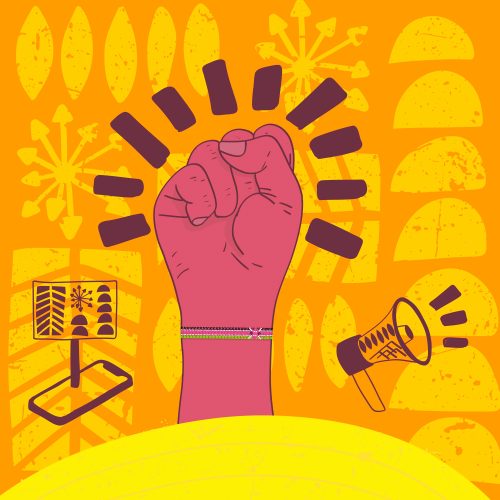
Artists like Mijide Kemoli, a visual communication strategist working under the name Kiki, lent her illustration skills to civil societies and civic groups advocating for change.
“What ended up being therapeutic was using my craft to speak on these issues. Art speaks where words cannot. Visuals transcended language and literacy. They could be understood across the board, even across borders,” she says. Kemoli’s work turned civic education into engaging content shared widely online. Her illustrations, often bold and minimalistic, gave the movement clarity and presence — essential in an era when media censorship limits traditional journalism.
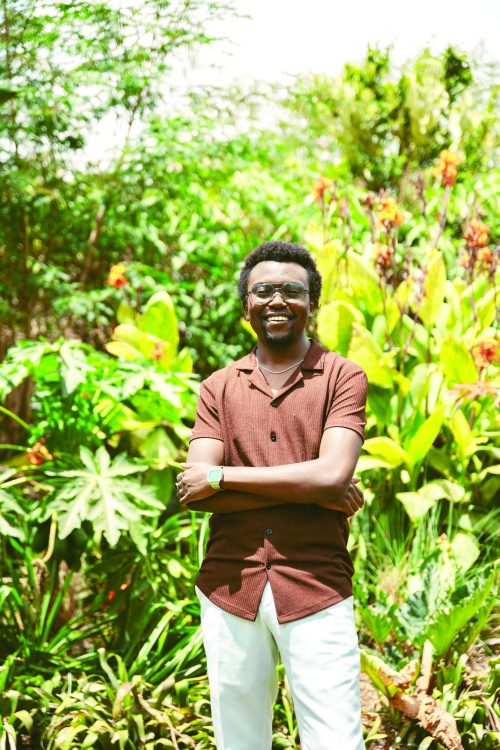
Designer and illustrator Stanley Kabicho, known as Pops Kabicho, echoes the sentiment: “Art is powerful. Watching my peers go into the Parliament woke up something in me,” Kibicho notes.
Posters for protesting
Kabicho, who refers to himself as a keyboard warrior, used his digital platforms to push protest posters and illustrations that captured the spirit of resistance.
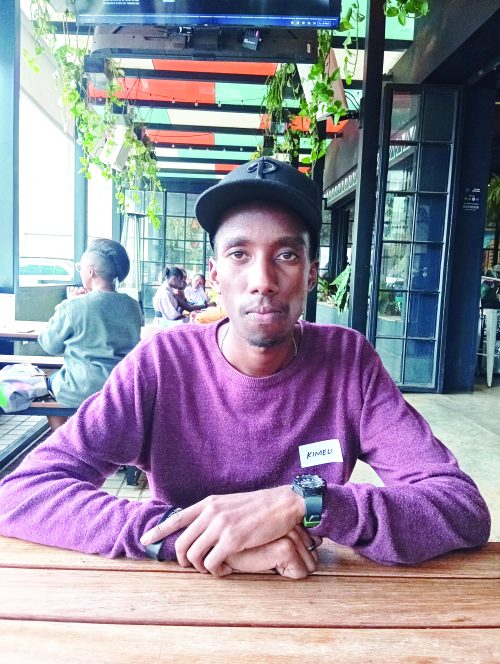
Meanwhile, even though Kimeu Fredrick, a Kenyatta University student and visual designer, was blocked from accessing the Central Business District during the protests, he didn’t stay silent. He created digital collages and photographic work that captured the emotional burden of his generation.
“We had seen our parents struggle with everything, and so, as we went to the streets, we’re not just fighting for ourselves, but also for them,” he says.
For animator Kyansimire Oroni, the movement found its way into film. He was working on a project in Nairobi when the protests erupted. Instead of ignoring them, he allowed the real-world tension to shape the story.
“Our biggest form of protest was getting people to watch our film, which asked for accountability subtly. It wasn’t a protest film, but it reflected the times. An artist gets inspired by life,” Oroni says.
Arts spoke louder
Oroni’s work reflected the quiet power of protest through storytelling. His film is now part of a growing cultural archive of resistance, a reminder that not all defiance looks like a placard in the street. “Being leaderless is both good and bad. But that’s also its strength. No one can hijack the agenda because it belongs to everyone,” says Fredrick.
Kemoli believes the next phase lies in institutional engagement. “We all need to be engaged, especially artists, because the media is being silenced, but the arts cannot be silenced,” she says.
Her calls are echoed by Kabicho, who sees the role of artists as civic messengers. “We need to reflect the current affairs of our nation. This is no time for silence,” Kabicho says.
And as Oroni reminds Kenyans, artists carry messages into homes; regardless of the viewer’s political leanings. “That’s the crazy thing. Artistry goes everywhere. That’s why artists must be the bridge,” Oroni says.
It’s clear that moving forward, any movement seeking meaningful impact must speak in the language of art, music, and digital fluency.