Festive season: Habits slowly killing your car and how to avoid them
By Aloys Michael, December 21, 2025Dreaming of a car that runs smoothly for years is common for Kenyan owners, particularly first-timers.
The reality, however, is that this dream is often undermined not by major accidents but by a series of small, corrosive habits, especially during the demanding festive season.
From overlooked fluid checks to rushed maintenance, these silent killers target your car’s vital components.
The good news? Each damaging habit has a simple fix that can protect your investment and keep you safely on the road:
Tyre maintenance
When a car is in motion, underinflated tyres create more rolling resistance, forcing the engine to exert extra power. This increases fuel consumption and accelerates wear.

Misaligned wheels lead to uneven tyre wear and put strain on suspension components. Worn tyres reduce braking efficiency and stability, which indirectly affects the engine as it compensates for uneven loads. Therefore, it is important to regularly check your tyres and alignment to avoid these risks.
Excess engine idling
Many drivers, especially those used to older cars with outdated systems, tend to idle their engines excessively, believing it is harmless or necessary for warming up the car. However, the truth is that modern engines are designed to reach their optimal temperature quickly through gentle driving rather than prolonged idling.

Two major culprits that silently damage engines are excessive idling and frequent short trips. Idling coats the internal parts in carbon, while short drives prevent the engine from getting hot enough to burn fuel cleanly.
Both habits lead to increased fuel consumption, reduced efficiency, and a shorter engine lifespan, a particular concern for vehicles that will sit unused for extended periods.
Ignoring servicing and replacements
These are simple habits that many drivers probably learned in driving school but choose to ignore. However, replacing air filters, fuel filters, spark plugs and coolant ensures the engine runs efficiently.
While skipping these checks may seem convenient, it can allow minor issues, such as clogged injectors or overheating, to develop into costly mechanical failures.
Wrong oil use
Neglecting oil changes is one of the biggest threats to a car’s engine. Engine oil has many functions, the most important of which are lubricating moving parts, reducing friction, absorbing heat and preventing wear.
Using substandard consumables repeatedly accelerates wear, reduces efficiency and can lead to expensive repairs.
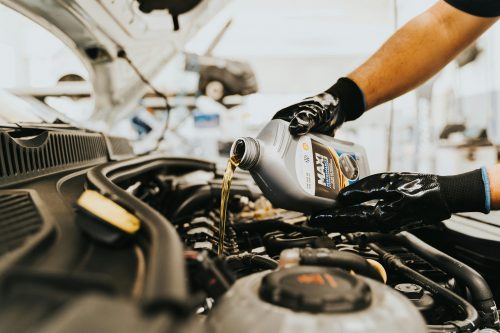
Over time, oil loses its viscosity and becomes contaminated with dirt and metal particles. This means the engine has to work harder, which can lead to overheating, excessive wear and, eventually, failure. Using the wrong oil type also amplifies this risk.
Moreover, the quality of fuel and oil plays a significant role in maintaining a vehicle’s health. For example, poor-grade fuel may contain impurities that clog injectors, while low-quality oil may not reduce friction or carry heat away from engine parts effectively.
Accelerator habits
Some drivers rev the engine when it is cold, believing it will warm up more quickly. However, experts say that cold engine oil is thicker and cannot lubricate moving parts properly.
Accelerating aggressively under these conditions increases friction, which gradually damages pistons, bearings and cylinders over time. This ultimately shortens the engine’s lifespan, leaving you in need of a repair service such as Kirinyaga Road, Otis Yard or whatever clinic you take your machine to.
Harsh acceleration, sudden braking and speeding also put high stress on the engine, transmission, brakes and tyres. Smooth acceleration, anticipating traffic flow and maintaining steady speeds, on the other hand, reduce strain, increase fuel efficiency and prolong the life of major components.
Overloading
This is particularly relevant during the festive season, when Kenyans travel from the countryside to urban centres with goods from home. It is important to note that additional weight from passengers or cargo puts extra strain on the suspension, brakes, and engine.
This can result in premature failure of the shock absorbers, warped brake discs and engine overheating, as the vehicle struggles to move heavier loads.