Advertisement
Between the bread: Why sandwiches will never go out of style
Saturday 19th July, 2025 04:20 AM|
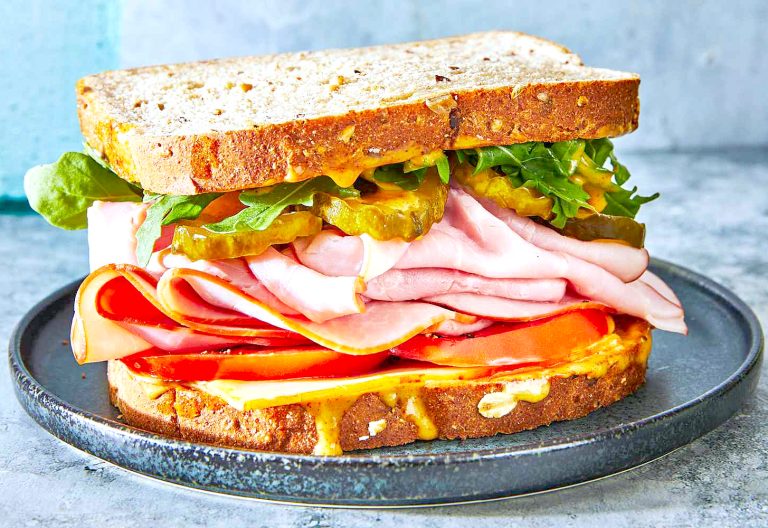
When you hear the word sandwich, you think something grand. Something complex. But it is one of the classic meals that almost anyone can make.
It is easy to make, and can be as tasty as you want it to be. With just a few slices of bread, you can stretch this to be a full meal.
You can make it a gourmet or an easy snack.
From peanut butter and jelly to toasted sandwiches, the sandwich is the star dish that is perfect for all of us juggling life, but still desperate for great-tasting, easy-to-make meals.
You Might Also Like



But what are the origins of the great trustee sandwich?
The beginning
Legend has it that there was an earl named John Montagu, John Montagu, the 4th Earl of Sandwich, who requested meat tucked between two slices of bread, so he could eat with one hand while gambling with the other.
The name stuck, and soon the new meal spread from Britain to the rest of the world. It is important to note that putting food between bread predates the early.
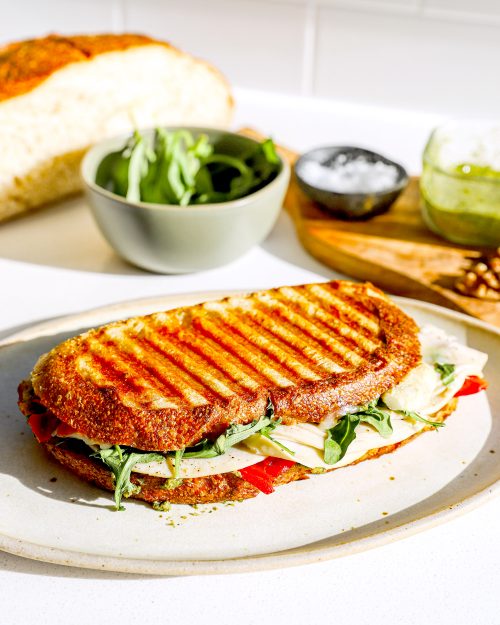
Middle Eastern communities used to have pita fillings, and even in Biblical times, there has to be at least a hundred people who made fish sandwiches at least several times at the gatherings where Jesus would multiply bread and fish.
Your sandwich, your flavour
The great thing about the sandwich is you can own it. Whether you want a vegetarian sandwich, peanut butter and jelly, or just a stacked one, you can make it your way.
It is, therefore, little surprise that sandwiches are being served across Kenyan restaurants.
You can get a great chicken mushroom sandwich with a side of fries at Java, a vegetarian sandwich from Mugg and Beans that will make you question everything you thought about sandwiches simply by its sumptuousness or from Zucchini Deli, where taste meets freshness.
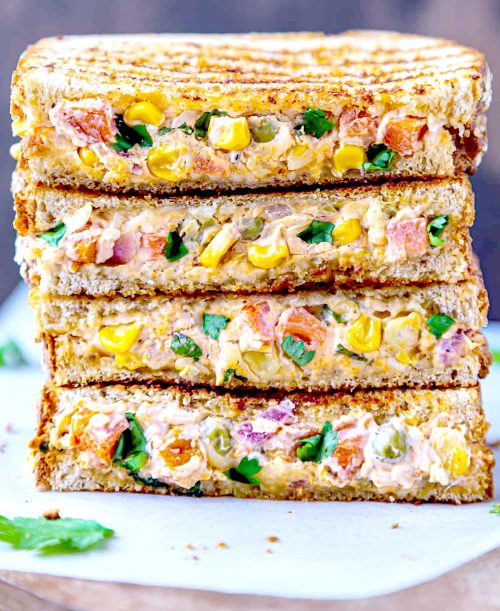
Sandwiches morph to reflect the cultures of the places they are made.
In Vietnam, the bánh mì, a crispy baguette filled with pickled vegetables, pâté, and seasoned meats, shows the blending of French colonial and Vietnamese ingredients.
In Mexico, the torta incorporates avocado, beans, and spicy peppers into a hearty, portable meal.
In Italy, the panini is often made with ciabatta or focaccia bread, grilled to crispy perfection and filled with cheese, salami, or prosciutto.
Scandinavia offers open-faced sandwiches, which feature rye bread topped with cold cuts, seafood, or egg.
Even in Japan, the sandwich has been reimagined into sweet and savoury forms, like the katsu sando, which is a deep-fried pork cutlet sandwich, or fruit sando made with whipped cream and fresh strawberries.
But what makes for a great sandwich?
Long live the sandwich
To make the best sandwich, the bread must be fresh and suited to the fillings. Soft bread will get soggy when stuffed with fillings.
If it is too hard, it will take away from the enjoyment of the meal.
The best sandwiches combine salty, sweet, acidic, and savoury elements. Moisture is important, but not too much.
You can add moisture with spreads, jam, juicy veggies or dressing. Just make sure it is not so overwhelming that it makes the sandwich soggy.
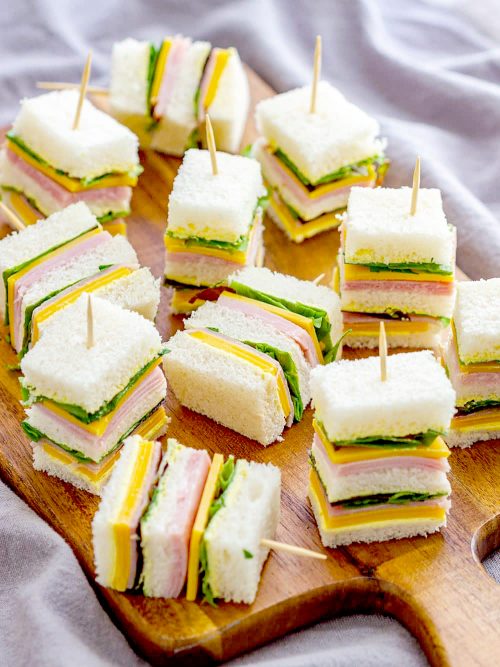
Beyond their culinary appeal, sandwiches are symbols of comfort, nostalgia, and even creativity. They remind us of school lunches, road trips, and family picnics.
They are what we make when we just have bread, salami or leftover pork strips.
They’re also a canvas for experimentation. While some food trends come and go, what we can be sure is that sandwiches will endure.
So go on, now, experiment. Make a sandwich that makes your taste buds sing.
You can start small, with just a spread and a few round cucumber wheels, then stack on till you can make a sandwich that is too big to bite.
Enjoy.
Author
Nailantei Norari
View all posts by Nailantei NorariLatest News








Advertisement
More on Lifestyle