Why the IMF is warning Kenya and Ethiopia on yuan debt swaps
By Kenneth Mwenda, November 11, 2025The International Monetary Fund (IMF) has warned Kenya and Ethiopia about potential currency risks after both countries converted part of their Chinese loans from US dollars to Chinese yuan. The move aims to reduce financing costs, but the Fund cautions that such currency swaps may introduce new financial vulnerabilities.
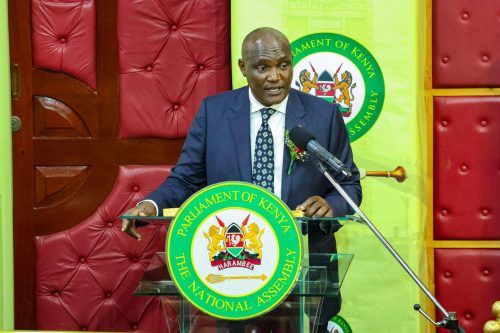
Kenya completed the conversion of its Ksh646.15 billion Standard Gauge Railway (SGR) loan from dollars to yuan on October 7, 2025. Treasury Cabinet Secretary John Mbadi said the move would save Kenya about Ksh27.78 billion annually by lowering the dollar-based interest rates on the loan tranches.
The conversion also spreads the country’s external debt across multiple currencies, reducing reliance on the US dollar and mitigating exposure to interest rate fluctuations.
Two weeks after Kenya’s switch, Ethiopia entered talks with Chinese authorities to convert part of its Ksh695.23 billion debt into yuan. The Ethiopian government hopes the move will cut financing costs and strengthen trade relations with China.
In a statement to Bloomberg, on November 11, 2025. an IMF spokesperson noted that swapping currencies is a proactive approach to debt management.
“While these transactions may lower costs, they can also introduce currency risks depending on their structure,” the spokesperson said.
“The IMF encourages countries to consider such operations within comprehensive medium-term debt and reserve management strategies to ensure an appropriate balance between cost and risk.”
The Fund encourages countries to consider such operations within medium-term debt and reserve management strategies, ensuring a balance between cost and risk.
Western lenders raise concerns
Kenya’s shift to yuan comes amid concerns from Western lenders, including the IMF and World Bank, over the use of dollar loans to repay Chinese debt instead of funding domestic priorities.
David Ndii, President William Ruto’s economic adviser, said multilateral lenders were concerned that Nairobi was using their concessional loans to settle Chinese obligations.
“The Western lenders questioned why they ought to help us while other lenders were taking out the money,” Ndii said.
He added that the pressure influenced Kenya’s decision to restructure its debts.
The move has eased some fiscal pressures. Kenya’s external debt stood at Ksh5 trillion in March 2025, with Ksh646 billion owed to China.
Payments to the Export-Import Bank of China accounted for roughly a quarter of external debt servicing. By converting part of the loans to yuan, Kenya has reduced annual interest payments and extended the tenure of the loans, freeing up fiscal space for other priorities.
Despite these benefits, the IMF has expressed caution. The currency conversion may create risks if the local currency depreciates or if global financial conditions change.
Kenya’s shilling, for instance, has remained unusually stable against the dollar in 2025, supported by strong foreign exchange reserves, healthy diaspora remittances, and sound monetary policy. IMF officials have indicated that such stability may affect monetary policy transmission and complicate inflation targeting.