Why State House spending raises questions as Kenya face revenue crisis
By Aloys Michael, December 21, 2025At a time when the government is openly admitting to a serious revenue crisis, the latest figures from the National Treasury raise uncomfortable questions about priorities at the very top of power.
According to a Treasury report published on December 19, 2025, State House received Ksh7.6 billion within the first six months of the 2025/2026 financial year. This represents about 99.7 per cent of its total recurrent expenditure allocation for the entire year.
The funds were disbursed between July and November, meaning that almost the whole annual budget was released before the year was even halfway through.
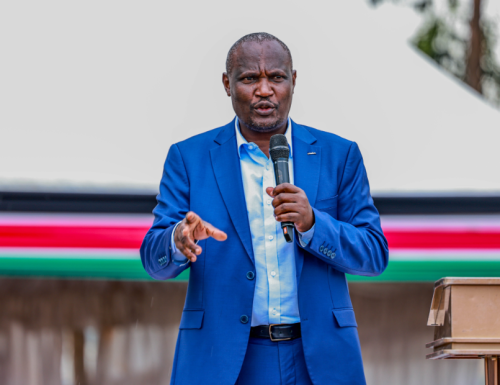
This level of funding would be unremarkable in a healthy economy. But Kenya is not in that position. Treasury Cabinet Secretary John Mbadi has already confirmed that the government is facing a major revenue shortfall, with collections falling far below projections.
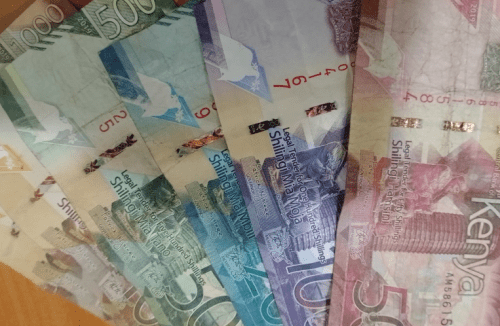
The government had projected to raise Ksh4.43 trillion in revenue during the period under review. Instead, it managed to collect only Ksh1.81 trillion in the first six months of the 2025/2026 financial year. This gap is significant and reflects deeper problems in the economy.
Tax revenue, the government’s main source of income, also fell sharply. While Ksh2.63 trillion had been projected, only Ksh909.8 billion was actually collected. Non-tax revenue performed no better, with Ksh42.2 billion collected against an expected Ksh127.6 billion.
These figures matter because they shape how public money should be spent. When revenue is low, governments are expected to tighten their belts, delay non-essential spending and protect key services. That is why the near-total release of State House funds stands out so sharply.
Other expenditures
The contrast becomes clearer when compared with other offices. The Office of the President received only Ksh1.5 billion in the same six-month period, against an annual allocation of Ksh4.5 billion. The Office of the Deputy President, however, received Ksh2.6 billion out of its Ksh2.9 billion allocation, again almost exhausting its budget early.
Meanwhile, the Office of the Prime Cabinet Secretary received just Ksh154 million from a recurrent allocation of Ksh363 million, less than half of what was budgeted. Other critical institutions such as the National Police Service, the Ministry of Defence and devolved units also recorded marginal releases, despite their central role in security, service delivery and local development.
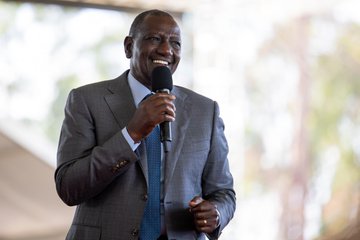
These imbalances are difficult to justify, especially in light of repeated promises by President William Ruto to reduce government spending amid his unveiling of plans to make Kenya a first-world country.
Since taking office, the President has frequently spoken about austerity, waste reduction and living within the country’s means. Yet the figures suggest that these promises have not translated into action where it matters most.
No benefit for tax?
The State House and the Office of the President have long been under scrutiny for high spending. The latest disclosures will only deepen public concern, particularly when ordinary Kenyans are being asked to shoulder heavier tax burdens.
Workers, businesses and consumers continue to feel the impact of increased taxes, even as public services struggle under funding constraints.
For many Kenyans, the message from these numbers is troubling. While citizens are told that there is no money, and ministries are forced to operate with reduced funding, the top offices appear insulated from the financial strain affecting the rest of the government.
Public trust depends not just on words, but on visible choices. If the government is serious about fiscal discipline, spending cuts must begin at the centre of power.
Anything less risks reinforcing the belief that austerity is a burden meant only for the public, not for those who govern.