Why Iran oil shock could block cheaper loans ahead of CBK review
By Aloys Michael, March 3, 2026Kenyan borrowers hoping for cheaper loans may face a sudden setback, as global oil shocks linked to tensions in the Middle East threaten the Central Bank of Kenya’s (CBK) plans for further interest rate cuts.
For months, the CBK has been steadily reducing the Central Bank Rate (CBR), aiming to ease borrowing costs and stimulate economic growth.
In January, the bank trimmed the benchmark rate to 8.75 per cent, down from a 12-year high of 13 per cent recorded in June 2024. These reductions, the tenth consecutive cut, were fueled by falling inflation, strong foreign demand for Kenyan bonds, and a healthier current account balance supported by stable commodity prices.
However, hopes of continued relief for borrowers and investors may now be dashed by the sudden surge in global oil prices, and they should now brace for a period of uncertainty, as external pressures may override domestic policy goals.
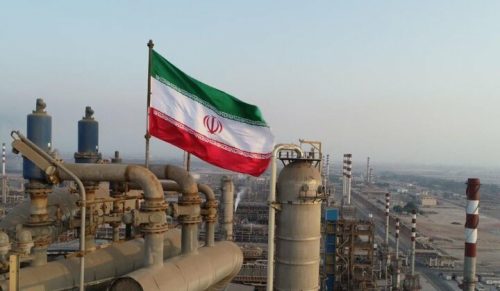
Tensions escalated after Iran halted tanker traffic through the Strait of Hormuz, a vital channel that carries nearly a fifth of the world’s oil supply. In response, Brent crude futures jumped about 9 per cent in a single day and are now more than 28 per cent higher since the start of 2026.
For oil-importing nations like Kenya, rising crude prices carry immediate consequences. Fuel costs surge, transportation becomes more expensive, and production expenses climb. These increases ripple through the economy, pushing up food and other essential prices.
In such a scenario, the CBK faces a delicate balancing act: lowering interest rates could stimulate borrowing but may also stoke inflation and weaken the Kenyan shilling.
CBK’s Governor Kamau Thugge had signalled earlier this year that there was still room to reduce the CBR, provided inflation remained under control and global conditions stayed stable. The Monetary Policy Committee (MPC) had hinted that additional cuts could follow in upcoming meetings, aiming to support private sector lending and economic growth.
Recent data suggested positive momentum. In January 2026, credit growth improved to 6.4 per cent, while commercial bank lending rates eased slightly to an average of 14.8 per cent, down from 15 per cent in October 2025.

What does it mean for Kenya?
But the external environment has changed, with emerging markets, including Kenya and Egypt, that are particularly vulnerable to global energy shocks. Heavy reliance on imported fuel, combined with sensitivity to currency fluctuations, exposes these economies to imported inflation.
If oil prices remain high or rise further due to prolonged geopolitical tensions, inflation could accelerate, forcing the CBK to reconsider its rate-cutting strategy.
A rising inflation rate would put pressure on the Kenyan shilling, potentially leading to capital outflows if investors demand higher returns to compensate for currency risk.
In such circumstances, further easing of the CBR could become risky, as it may undermine price stability and investor confidence as they face higher financing costs, and households could see slower relief on mortgages and personal loans.
While the CBK remains committed to supporting growth, global shocks such as the Iran oil crisis show how vulnerable local monetary policy can be to international developments.
The Iranian oil shock is a stark reminder that global events directly influence domestic credit conditions, which may force CBK to pause or slow down further rate cuts to maintain economic stability, despite a recent record of aggressive easing.