What Ruto must do next after by-election wins affirm broad-based govt’s popularity
By Faith Lagat, November 28, 2025The dust has barely settled on Kenya’s 24 by-elections held on November 27, 2025, but the results already paint a vivid picture of political resilience and strategic gains for President William Ruto’s administration.
In a vote that tested the waters just two years shy of the 2027 general elections, Ruto’s United Democratic Alliance (UDA) emerged triumphant in five of the seven high-profile parliamentary seats, underscoring the growing appeal of his broad-based government.
This coalition, forged in the fires of 2024’s Gen Z-led protests, blends Kenya Kwanza’s ruling muscle with opposition voices, including from the Orange Democratic Movement (ODM). The verdict from the polls? It’s working, at least for now.
But popularity is fleeting in Kenyan politics; Ruto must seize this momentum with bold, tangible actions to convert electoral nods into a lasting legacy.
By-elections
UDA’s haul included a nail-biter in Mbeere North, where Leonard Muthende edged out the Democratic Party of Kenya’s (DP) Newton Kariuki by a razor-thin 494 votes, flipping a seat in a region not traditionally aligned with the ruling party.
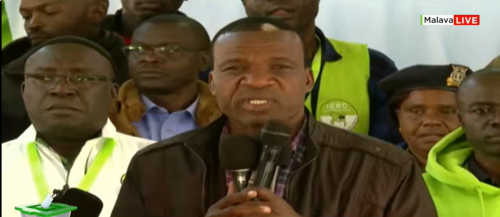
In Malava Constituency, Kakamega County, David Ndakwa of UDA clinched victory with 21,564 votes against DAP-K’s Seth Panyako’s 20,210, a testament to grassroots mobilisation in ODM’s Western Kenya heartland. Further afield, UDA’s Ahmed Maalim Hassan dominated Banisa in Mandera County with 10,431 votes, consolidating the North Eastern vote.
Prime Cabinet Secretary Musalia Mudavadi has described the United Democratic Alliance (UDA) victory in the Malava Constituency by-election as a resounding endorsement of President William Ruto’s Kenya Kwanza administration.
In a statement posted on his official X account on November 28, 2025, Mudavadi hailed UDA candidate Hon. David Ndakwa’s triumph, declaring, “A new chapter begins in Malava! Congratulations to UDA Candidate Hon. David Ndakwa on clinching a decisive by-election victory to represent the great people of Malava in Parliament. This win is more than a political triumph; it is a strong vote of confidence and a clear call to deliver for the community that has placed its trust in you.”
These weren’t isolated triumphs; UDA also swept two additional parliamentary races, signalling a nationwide surge that belies earlier narratives of ruling coalition fatigue.
ODM, Ruto’s uneasy coalition partner, held its ground in Luo Nyanza strongholds, retaining Ugunja in Siaya with Ochieng Okoth and Kasipul in Homa Bay via Boyd Were’s Gen Z-fueled campaign. Magarini in Kilifi stayed firmly in ODM’s column too, a nod to Raila Odinga’s enduring influence despite his African Union ambitions.
At the ward level, the Democracy for Citizens Party (DCP) snagged Kariobangi North in Nairobi, a minor but symbolic win for urban independents. Voter turnout hovered below 40% across most constituencies, a concerning dip that highlights apathy amid economic woes, but where ballots were cast, they favoured stability over upheaval.
Economic delivery and youth inclusion are key
These outcomes affirm the broad-based government’s popularity in profound ways. Formed after the explosive 2024 protests that nearly toppled the regime, Ruto’s inclusive cabinet, stocked with ODM luminaries like former Minority Leader Opiyo Wandayi, has diluted opposition venom and broadened appeal.
UDA’s incursions into ODM turf, like Malava, suggest voters are rewarding pragmatism over partisanship, viewing the coalition as a bulwark against chaos. Analysts see this as a “polarized equilibrium”, Ruto dominates the center, and the Rift Valley, ODM clings to the lakeside, but the centre is holding.
It’s a green light for Ruto’s 2027 re-election bid, but only if he doesn’t squander it on complacency.
First, he must double down on economic delivery, the Achilles’ heel that sparked the protests. With inflation biting and youth unemployment at 35%, the president should fast-track the Social Health Insurance Fund (SHIF) rollout and inject Ksh100 billion into green jobs via the Bottom-Up Economic Transformation Agenda (BETA).
These by-election wins, buoyed by youth candidates like Boyd Were, scream for Gen Z inclusion: appoint more under-35s to cabinet and devolve digital innovation hubs to every county.
Anti-corruption, coalition stability, and gender parity
Second, weaponise anti-corruption rhetoric with scalpel-sharp action.
The Ethics and Anti-Corruption Commission (EACC) must prosecute high-profile graft cases within 90 days, starting with the Goldenberg-era ghosts haunting current scandals. Transparency in procurement, especially for the Adani-linked JICA deals, will rebuild trust.
Third, nurture the coalition’s fragility. Ruto should convene a National Unity Summit with Raila Odinga to codify power-sharing, averting a pre-2027 implosion. Invest in Trans-Nzoia Governor George Natembeya, a rising Western star whose by-election clout could bridge UDA-ODM divides. Finally, address gender parity: with only two women among 181 candidates, legislate quotas for future polls to empower half the electorate.
In sum, these by-elections aren’t a coronation but a covenant. Ruto’s broad-based experiment has passed its midterm exam, validating a government of national unity in a fractious republic.
Yet history judges leaders by deeds, not dividends. By prioritising jobs, justice, and inclusivity, Ruto can transform this electoral affirmation into an era of prosperity. The ballot boxes of November 27 whisper: Deliver, or dissolve. The choice is his.