Advertisement
The land that refused to die: How Galana-Kulalu is sprouting hope
Friday 25th July, 2025 10:34 AM|

In the heart of Kenya’s coastal belt, where the dusty plains of Kilifi and Tana River once lay quiet and underused, a silent transformation is underway, one that could shape the future of the nation’s food supply.
The Galana-Kulalu Food Security Project, once written off after a string of early challenges, is now making a remarkable comeback, rekindling hopes for Kenya’s dream of large-scale, sustainable farming.
Bringing up a lost dream
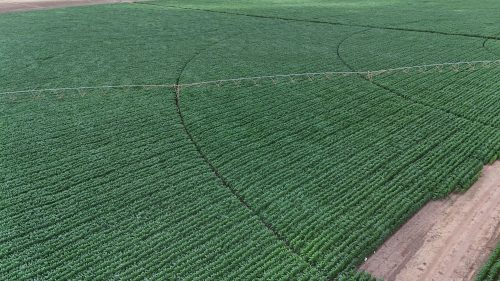
The Galana-Kulalu project was first launched in 2014 to reclaim 1 million acres of idle land, making it a breadbasket for Kenya. But soon after it began, the project stumbled. Bureaucratic delays, funding challenges, and poor management left large parts of it incomplete.
But in January 2023, a directive was issued. The project was revived, this time under a Public-Private Partnership (PPP) model that brought in private investors to work alongside the government. And just like that, the dusty fields started showing signs of life.
A new start and a new system
You Might Also Like


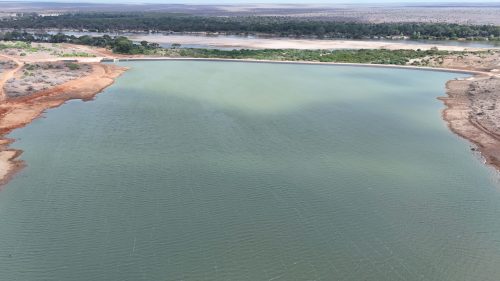
The revived Galana-Kulalu is being rolled out in three major phases. First, 20,000 acres have been set aside for fast food production. Second, a massive 300-million-cubic-metre dam is being built to hold water from the River Galana, supported by a modern network of canals and storage basins. Now, the project is moving forward with plans to open up 200,000 more acres for irrigation farming, a move that could transform the area into Kenya’s biggest farming zone, bringing new opportunities for farmers and helping to feed the nation
So far, the change is real; seven powerful pumps are already breathing life into the once-dry, cracked land, sending water through canals and turning dust into green, growing fields. And with seven more pumps on the way, the transformation is just getting started.
Feeding the nation
In June 2025, the first plantation started with seed maize, a vital crop for producing high-quality planting seeds that will be distributed across the country. With smart farming techniques, Galana-Kulalu is expected to produce hundreds of thousands of bags of maize every year, reducing Kenya’s reliance on costly food imports and pushing the country closer to becoming a net exporter.
Beyond maize, the bigger effect is also being felt in employment, too. Locals are finding new jobs, not just in farming, but in logistics, irrigation, and machinery maintenance. As agro-processing firms begin to set up nearby, even more opportunities are expected.
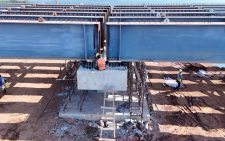
And to make it all work, access matters. That’s why the government started building the Galana-Kulalu Bridge in January 2025, now over 60% complete. Once
finished, it will connect farmers and suppliers to markets faster and more efficiently.
Vision coming to life
What makes Galana-Kulalu stand out this time is not just the scale, but the clear plan and partnerships. It’s no longer just about acres and irrigation; it’s about jobs, dignity, and Kenya’s right to feed itself.
As the pumps roar and green shoots rise from the once barren soil, a quiet revolution is growing one field at a time.
Author
Latest News








Advertisement
More on Insights