Advertisement
Shield businesses from power outages
Monday 28th August, 2023 07:00 AM|
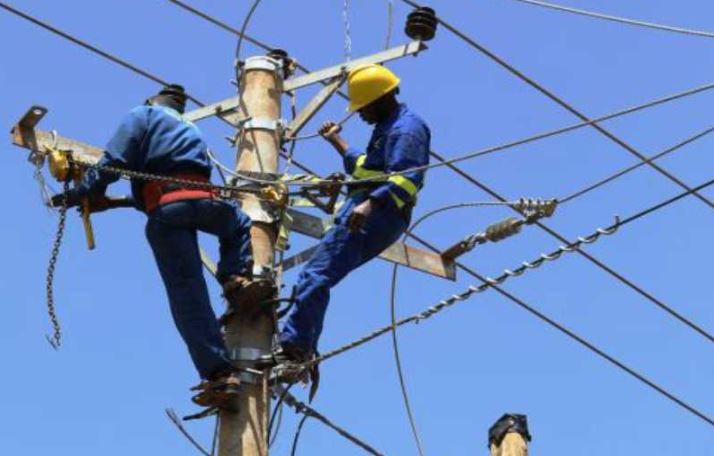
Friday’s power blackout, which affected the entire country was unfortunate and ought not to have happened in the first place. But because it did, it is important for players in the energy sector to carry out a forensic audit to identify what caused the problem and what measures ought to be taken to prevent a recurrence.
Kenya suffered a major reputation risk especially because thousands of visitors who were caught up in the darkness at the Jomo Kenyatta International Airport will spread the story of how they were stuck in an African airport because of an outage.
This is bad for business and measures ought to be taken to ensure that in the event of an outage of similar magnitude, there are sufficient back-up systems to ensure the airport and other key installations, such as military barracks, police stations and hospitals are not affected.
But it is also important to consider the losses that families and businesses suffered in that period. Production was affected, which reduced manufacturing output, a scenario that has ripple effects down the value chain.
The downtime also meant that for some equipment, which are meant to be powered at all times, getting them back into efficiency will take some time and effort.
The government must, therefore, make it painful for anyone responsible for the eventuality to ensure that sufficient care is taken to prevent a recurrence. Shuffling airport managers only addresses the symptoms. What is needed, however, as an audit of what happened and a clear mechanism of those responsible being brought to book.
Businesses, in particular, suffered huge losses because some of them stock perishable goods. Because of the prolonged outage, many of those without private back-up systems suffered immense loss of inventory.
Who will compensate them, especially given the difficulties many are going through trying to comply with a long list of government requirements, including numerous tax obligations? Is it time to put in place such a fund? This is clearly the opportune time to debate this issue.
Ultimately, however, the government must consider reviewing Kenya Power’s monopoly as an energy supplier. This has been one of the problems facing the energy sector largely because Kenya Power has no competitor and, as a result, is not constantly challenged to improve systems and innovate in service delivery.
Author
Editorial.Team
View all posts by Editorial.TeamLatest News





Advertisement
More on Insights