Advertisement
Reflection on World War II lessons for global peace
Tuesday 07th November, 2023 10:29 AM|
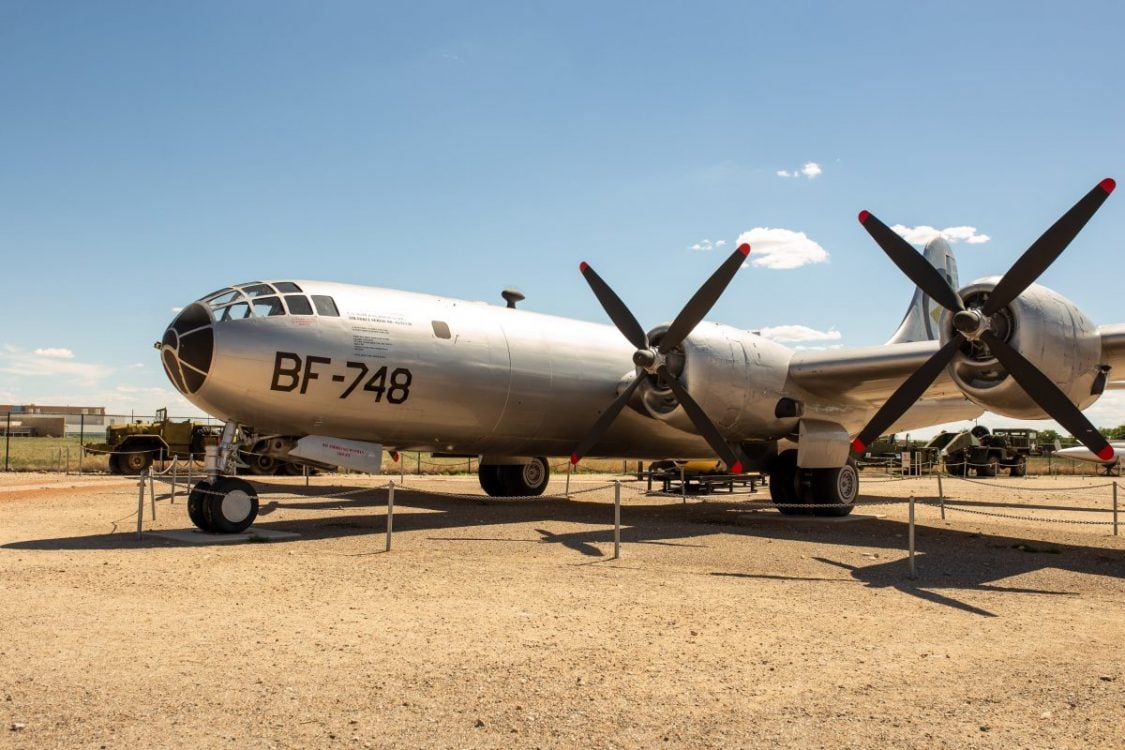
Seventy-eight years have passed since the end of World War II, a conflict that reshaped the course of history, leaving an indelible mark on the global community.
As we commemorate this pivotal event, it is essential to revisit causes and effects of the war and understand the profound social, economic, and political consequences that continue to shape our world today.
World War II was a global catastrophe that emerged from complex underlying causes. The Treaty of Versailles, following World War I, had imposed harsh penalties on Germany, setting the stage for resentment and political instability.
The aggressive expansionist policies of fascist leaders like Adolf Hitler, Benito Mussolini, and Emperor Hirohito exacerbated tensions, leading to outbreak of the war.
The effects of World War II were far-reaching. Millions of lives were lost, cities lay in ruins, and the world witnessed the horrors of the Holocaust. In addition to the human toll, the war brought about significant economic consequences. Industrial and infrastructural damage, coupled with the costs of war, plunged nations into debt and economic turmoil.
The social and economic way of life on a global scale underwent profound changes due to World War II. The war triggered economic changes in many nations.
The post-war period saw the emergence of the United States and the Soviet Union as superpowers. The Marshall Plan provided essential aid for European recovery, contributing to the economic stability of Western Europe.
World War II spurred technological innovations. Advancements in aviation, medicine, and communication emerged during this time, subsequently shaping the modern world.
The war led to the creation of international institutions like the United Nations (UN) and World Bank, aimed at preventing future conflicts and fostering global cooperation.
The war also led to the decolonisation of many nations as colonial powers weakened, fostering a more multipolar world.
The harrowing legacy of World War II should serve as a stark reminder of the importance of preserving global peace. It is our collective responsibility to ensure such a catastrophe never occurs again.
This entails nurturing diplomacy, cooperation, and peaceful resolution of conflicts. We must respect the principles of sovereignty, equality, and human rights embedded in the United Nations Charter.
Amidst ongoing conflicts, such as the Israel and Gaza crisis, religious groups play a crucial role in promoting peace and tranquility.
It is paramount that religious leaders, regardless of their faith, preach a message of understanding, tolerance, and reconciliation. We implore them to refrain from taking sides, as it only exacerbates tensions and perpetuates conflict. Instead, let them be a source of inspiration, promoting unity and a path toward peaceful coexistence.
World War II serves as a poignant lesson for humanity. It reminds us of the catastrophic consequences of war and the imperative to work collectively to maintain global peace. Let us learn from history and strive to build a world where dialogue, cooperation, and compassion prevail over conflict.
— The writer is the Director, Sharp Education Centre
Author
Dr Paul Wanjohi
View all posts by Dr Paul WanjohiLatest News






Advertisement
More on Insights