Advertisement
Pick vital lessons from Covid to boost education
Monday 13th June, 2022 12:25 AM|
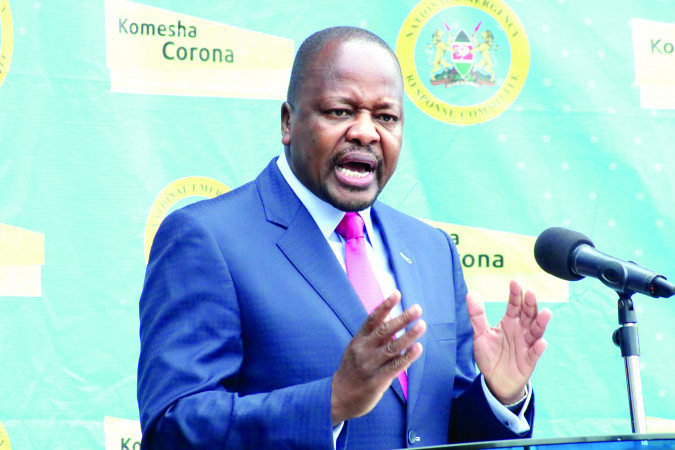
There can be no gainsaying that education is one of the sectors that were hardest hit by the Covid-19 pandemic. Although schools closed for about nine months to contain the pandemic, the after-effects are still being felt two years later as schools rush through the curriculum in a race to resume the normal calendar starting next year.
According to a World Bank report, about 17 million students and more than 320,000 teachers were affected by the closure of the 30,000 primary and secondary schools in 2020. The full impact of how they were affected will continue to be felt for months, probably years, to come.
It is, however, encouraging that despite the challenges that came with the pandemic, the World Bank says Kenya’s education sector has improved significantly from the disruption. This is a silver lining in the otherwise dark cloud that has hang over schools over the last two years. The pandemic came at a time when the Government was in the middle of implementing key programmes, including like the Competency-Based Curriculum (CBC) and other reforms that sought to improve the quality of education. These, too, were severely hampered at a critical stage, increasing the teething problems that the new curriculum was already experiencing.
For instance, efforts to provide remote learning revealed a significant digital divide, with over 50 per cent of learners not being able to engage in remote learning mainly due to lack of devices, electricity or internet connectivity.
This, in turn, calls for increased investment over time to address the shortfalls with a view to increasing equity in access to opportunities should the country experience another disruption.
The World Bank has rightly pointed out that the Government now faces the challenge of ensuring that the pandemic does not leave lasting scars in the education system. Among the key challenges that the Government needs to deal with are; increased enrolment in post-primary institutions, improving learning outcomes and reducing inequalities.
As the country recovers from the pandemic, the World Bank urges the Government to focus on ensuring adequacy, equity and efficiency in the use of resources in the education sector.
Whereas the sector is on the right track, as the World Bank has rightly pointed out, a lot still needs to be done. Improving education is a journey and voters ought to task political leaders to make commitments about improving education once they form government after the August 9 election. The time for them to make that commitment is now.
Author
Editorial.Team
View all posts by Editorial.TeamLatest News





Advertisement
More on Insights