NYOTA vs Hustler Fund: A closer look at Ruto’s money giving initiatives
By Kiprono Keileb, October 7, 2025For years, Kenya’s youth have been told to rise, dream, and build. But for many, access to capital has been the biggest challenge. Two major government initiatives, the Hustler Fund and the National Youth Opportunities Towards Advancement (NYOTA) Programme, were designed to change that story. Yet, while both aim to empower, their modes are different, each with its own merits and demerits.
The Hustler Fund: Quick money but long-term worries
When the Hustler Fund was unveiled in November 2022, excitement swept across the country. Anyone with a mobile phone could borrow instantly, without paperwork or collateral. For millions, it was their first-ever loan.
According to data from the State Department for Micro, Small and Medium Enterprises (MSMEs), over 21 million Kenyans have borrowed from the fund. However, 19 million have defaulted on repayment; a clear sign that access to money alone does not guarantee success.
Some borrowers used the cash to stock small kiosks or buy tools for their craft. But many, struggling with the high cost of living, diverted the funds to daily expenses: food, rent, or school fees. Without proper guidance, the loans became a short-term fix rather than a step toward stability.
Lessons learned from HustlerFunds mean that the government must train young people on entrepreneurship and financial literacy before lending to them.
NYOTA Programme
Launched in August 2025 and supported by the World Bank, the NYOTA Programme takes a different route. Instead of handing out loans, it focuses on training, mentorship, and grants, not credit, as with the Hustler fund.
The program targets over 800,000 vulnerable young Kenyans aged 18 to 29, and up to 35 for persons with disabilities. It aims to equip them with business skills, help them start small enterprises, and connect them with professional mentors and savings schemes like NSSF, this is accordingding to the Cabinet Secretary – Youth Affairs, Creative Economy & Sport, Salim Mvurya.
Under NYOTA, participants go through entrepreneurship training and apprenticeships before accessing any financial support. The goal is to ensure they can manage and grow whatever resources they receive.
This people-first approach is seen as a more sustainable model, one that helps youth build from the ground up instead of piling up unpaid loans as in the Hustler Fund.
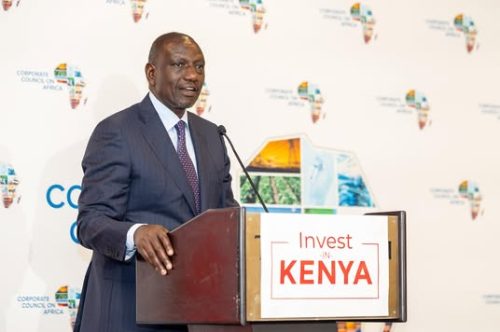
According to the Micro and Small Enterprise Authority (MSEA), countrywide sensitisation on the NYOTA Program has already been completed. Community meetings, youth forums, and information drives have been held to ensure young people understand how to benefit.
Beyond money: A call for mindset change
While both programs share a noble goal, empowering the youth, the lesson is becoming clear: financial inclusion must begin with knowledge.
Money can spark a business, but it is skill and discipline that keep it alive.
As Kenya’s youth continue to seek opportunities, the real challenge for government programs lies not just in giving funds, but in helping young people learn how to grow and sustain them. Because in the end, true empowerment is not in the loans and grants you receive, but in the knowledge you carry.