Little-known Nairobi’s Jerusalem home that shaped Raila Odinga
By Kenneth Mwenda, October 20, 2025Before the name Raila Amolo Odinga became a symbol of struggle and resilience, and perhaps before he left for studies in Germany, he was a young man running around the dusty paths of Jerusalem Estate in Nairobi’s Eastlands.
Few Kenyans know that this modest neighbourhood, popularly known as Kwa Odinga, shaped the early life and values of the man who would later stand at the centre of Kenya’s political story.
The Odinga family lived in Jerusalem Estate in the 1950s, long before independence. Jaramogi Oginga Odinga, Raila’s father, had settled there as a teacher and businessman. The family’s house soon became a hive of activity, with neighbours often dropping by to seek advice or share a meal.
Residents remember Jaramogi as a generous man who never turned anyone away.
For young Raila, Jerusalem was home in every sense. Eighty-five-year-old Mama Lucia Weke, one of Raila’s childhood friends, remembers those early years with warmth.
“Raila alikuwa anapenda sisi sana. Wacha nianze na baba yake; baba yake, bwana yangu na wengine walikuwa wafuasi ya huyu mzee. Mzee alikuwa anakaa hapo. Ikafika watoto yetu walikuwa wanachezanga hapa mpaka wanaoana,” she says with a faint smile.
The area still holds deep memories of the Odinga family. The residents described Kwa Odinga as the place where the ideals that later defined Raila were born. They say his sense of justice and empathy for the poor reflected the community spirit of the old Jerusalem.
“Raila nimemjua akigrow hapa. Anakaa nyumbani anakuja kuona baba yake. Ata Oburu. Oburu akataka kuoa huku kwetu, najua alikuja. Kwa hivyo the family naijua vizuri sana,” one of the residents said.
“Raila hakuzaliwa hapa. Lakina amelelewa hapa. Tukamwona. Tukamjua. Na ametuletea maendeleo mingi. Sisi hatukuwa tunaguzwa ata na watu wengine kama kanjo, na nini,” another said.
From Eastlands to legacy
When Jaramogi became Kenya’s first vice president after independence, he moved his family to the more affluent Lavington Estate. But neighbours say the young Raila never lost touch with them. Even as he grew into a national figure, he occasionally returned to visit old friends and relatives in Eastlands.
Over the years, Kwa Odinga became part of Kenya’s political folklore. It was from this humble place that the country’s most famous opposition leader learned the values of equality and resilience. Residents proudly say that their small estate contributed to shaping one of Africa’s most influential voices.
As Raila was laid to rest at his rural home in Bondo, the memories of Jerusalem resurfaced. The contrast between the quiet lanes of Eastlands and the solemn grounds of Kang’o Ka Jaramogi spoke volumes about his journey – from a curious boy in Nairobi’s backstreets to a national leader whose life touched millions.
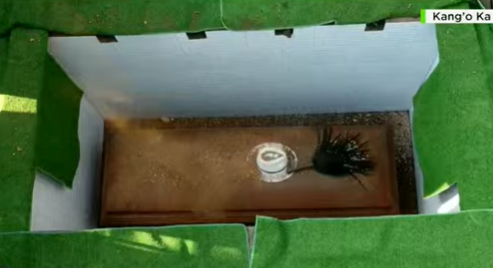
During his burial, attended by President William Ruto, former President Uhuru Kenyatta, and close family, the military fired seventeen rounds in his honour. His iconic hat and fly whisk were placed beside him, marking the end of a long and colourful life.
Back in Jerusalem, residents followed the ceremony on television, their emotions visible.
Today, Jerusalem Estate stands as a quiet reminder of Raila’s beginnings. Its ageing houses and narrow lanes may not look remarkable, but they hold the roots of a leader who defined Kenya’s democratic struggle.