Key political developments to watch in Kenya in 2026
By Mustafa Juma, December 16, 2025As Kenya strides into 2026, the political landscape is at a pivotal turning point. Against the backdrop of shifting alliances, rising youth activism, legal contestations, and preparations for the next general elections, 2026 promises to test the resilience of Kenyan democracy and shape the country’s future direction.
Here are some of the key political developments to watch in 2026.
Coalition politics and realignments
With just a year left to the most anticipated 2027 general elections, political alliances are no longer static.
One of 2025’s most-watched developments, an alliance between President William Ruto and the late former prime minister Raila Odinga that led to the now famous broad-based government, continues to reverberate into 2026, reshaping Kenya’s political math.
Already, Orange Democratic Movement (ODM) party leader Oburu Odinga, who took over the Orange party following the death of his brother Raila, has insisted that the party will remain in the broad-based government arrangement and work with Ruto until 2027.
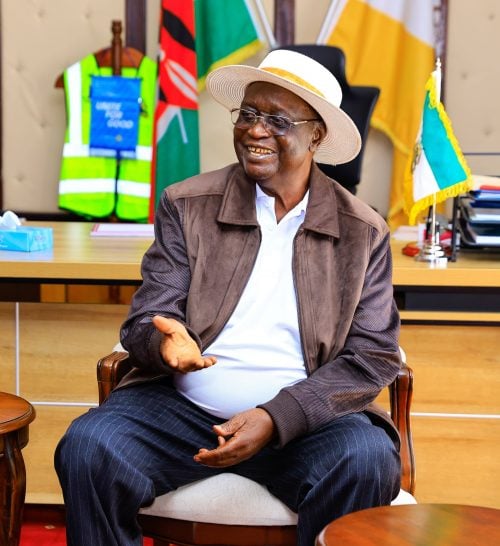
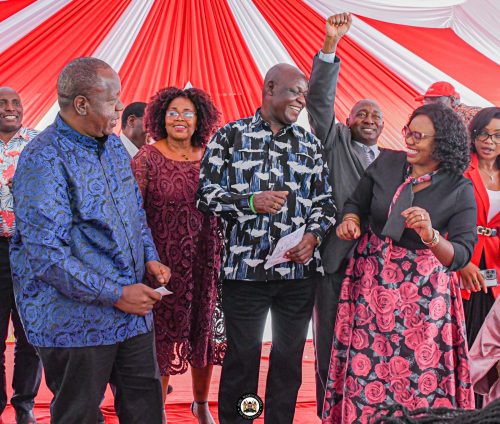
However, there are some factions of the party that have been against the arrangement, with ODM Secretary General Edwin Sifuna and Embakasi East MP Babu Owino leading the rebel group.
Already, the United Opposition led by Wiper Patriotic Front leader Kalonzo Musyoka and former Deputy President Rigathi Gachagua has been wooing Sifuna and Babu Owino to join their side ahead of 2027. Can this be realised in 2026? Well, leaders will be seeking broader platforms ahead of electoral contests, and nothing can be ruled out.
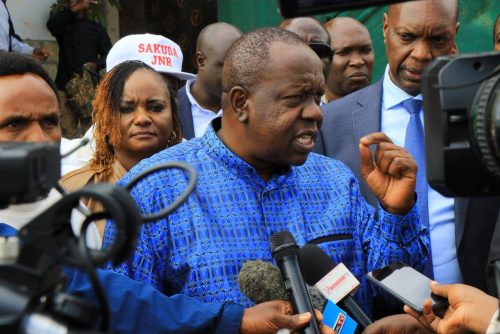
Meanwhile, influential personalities such as former Interior Cabinet Secretary Fred Matiang’i are gaining traction, with multi-party backing positioning them as significant players in Kenya’s political future. Already, Matiang’i has the backing of former president Uhuru Kenyatta, who has endorsed him to vie for the presidency on a Jubilee party ticket.
Matiang’i has been traversing the country to woo voters, and as we head into 2026, we expect to see him increase his political engagements.
Moreover, reconciliations between President Ruto and other political figures, including Gideon Moi, suggest efforts to consolidate support across traditional fault lines, with implications for electoral blocs and campaign dynamics throughout 2026.
The United Opposition’s strategy
You must be familiar with slogans such as Kasongo Wantam, which has been the United Opposition’s lead song throughout 2025. Or is it? Well, this has been a campaign the opposition led by Kalonzo, Gachagua, PLP’s Martha Karua, and their Democratic Action Party of Kenya (DAP-K) counterpart Eugene Wamalwa have been leading.
However, Ruto has always brushed them off, saying that they lacked an agenda. But do we expect the opposition to change tactics as we head into 2027? The opposition remains active and strategic.
A coalition of leaders is positioning itself to challenge Ruto and make him a one-term president, capitalising on regional strongholds and crafting narratives aimed at shifting voter sentiment.
How this strategy unfolds through 2026, particularly in constituencies and county power bases, will be a bellwether for broader electoral competitiveness.
Gen Z and new movements
The recently concluded November 27, 2025, by-elections seem to have exposed Gen Z, who have been yearning for new leadership in the country. The mini polls witnessed a low voter turnout, with most of the youth staying off.
As a result, Gen Z faced backlash from Kenyans, who argued that the change they have been pushing for cannot be achieved when the youth keep out of elections. However, a section of the youth argued that IENC used the 2022 voter register, making most of them ineligible to vote.
Several political leaders, including Matiang’i, have also been urging Gen Z to travel upcountry and register as voters.
However, this does not change the fact that Kenya’s demographic landscape is changing. With Gen Z forming an increasingly large portion of the electorate, their political voice is evolving from social media activism to organised movements.
Recent youth-led groups, galvanised by longstanding frustrations around unemployment, devolution, and inclusion, are staking claims in national politics and demanding meaningful representation.
With just a year left until the 2027 general elections, the country will be watching to see the strategy and position that Gen Z will be taking and whether new youth movements will emerge.