Hussein Khalid: Cult leaders should face charges for followers’ deaths
By Kiprono Keileb, August 7, 2025Vocal Africa Executive Director Hussein Khalid has come out strongly against cult leaders who manipulate followers into dangerous practices, including starvation, saying such individuals must face legal consequences.
Speaking during a talk show on a local radio station on Wednesday, August 7, 2025, Khalid said it is not enough to sympathise with the victims of cults while letting those responsible go free.
“If you lead a cult and people in that cult end up fasting to death, then you’re guilty of a specific crime, whatever it’s called, and it should be punishable,” he said.
Khalid noted that his organisation had previously engaged some of the individuals now facing charges in connection with the tragedies that had happened before. “We hosted a good number of those being charged now,” he revealed, adding that the Directorate of Criminal Investigations (DCI) initially told them investigations would determine whether the suspects would be treated as witnesses or accused persons.
“In the end, they were charged because they were fasting, and they wanted to die wherever they were being kept. So they said ‘hawa watu wanaendelea kufast,’” he said.
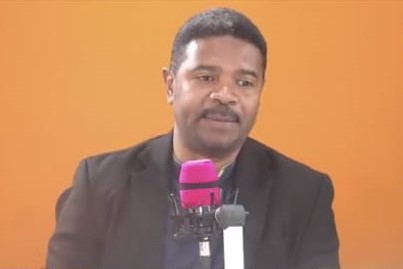
According to Khalid, it is unacceptable for anyone to force others into religious practices that endanger their lives.
“You can’t force someone to follow any religion. Religion is something you decide who and what to follow,” he stated.
The remarks come as authorities continue to investigate the deadly cult activities that led to hundreds of deaths in the Shakahola forest tragedy. Public outrage has mounted over what many see as a failure by both religious and state institutions to protect vulnerable people from exploitation in the name of faith.
Khalid’s comments add to growing calls for tougher action against those who abuse religious freedom to carry out criminal acts. While investigations are still ongoing, pressure is mounting for lawmakers to enact clearer legislation around cult related crimes.
Hussein Khalid emphasised that accountability must take priority.
“If such a law exists, then that person can be charged,” he concluded, underscoring the need for justice for victims and their families.