Advertisement
How NTSA boss scored own goal on eCitizen and traffic fines
Wednesday 01st July, 2026 11:33 AM|

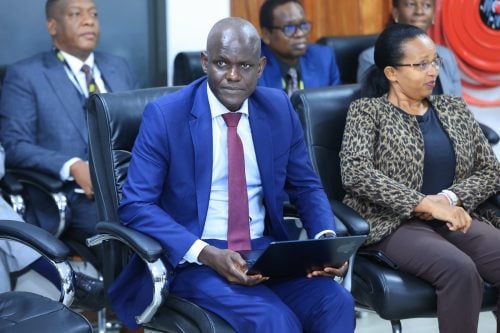
NTSA Director General Nashon Kondiwa walked into a political trap of his own making when he tried to explain why motorists paying instant traffic fines cannot simply use the ordinary eCitizen payment route.
The issue is not small. NTSA is a government agency. Traffic fines are public payments.
eCitizen is the State’s central digital payments platform, used for thousands of government services, including sensitive services such as passport applications, visa processing, driving licence services and other official transactions.
That is why Kondiwa’s explanation raised more questions than answers.
You Might Also Like
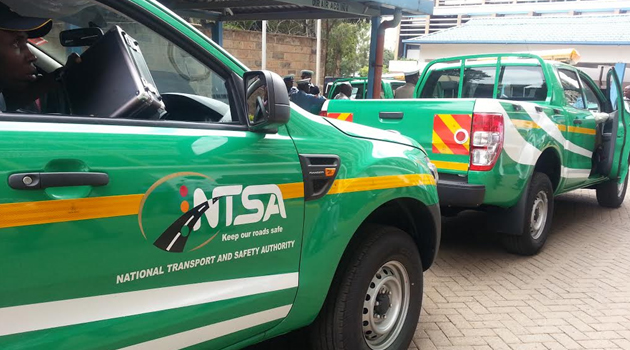
“Most payments on eCitizen are made via M-Pesa or credit card, eliminating cash transactions and physical interaction. However, out of an abundance of caution and to safeguard Kenyans against fraud, we introduced an additional layer of physical verification,” he stated during an interview with a local TV station on Tuesday, June 30, 2026.
“As a result, motorists must visit a bank in person to pay NTSA fines,” Kondiwa added.

Kondiwa’s own goal
In football, an own goal happens when a player under pressure tries to clear danger but ends up scoring against his own team.
That is exactly what Kondiwa did politically.
He was trying to defend NTSA. Instead, he exposed the weakness in the logic behind the new traffic fines payment system.
If eCitizen is trusted to process higher-value, more sensitive and more permanent government services, why should a motorist paying a traffic fine be sent to a physical bank?
The public question is simple: what makes NTSA fines so uniquely risky that they require a different payment channel?
/X
Kondiwa’s answer introduced the word fraud into a system Kenyans have largely accepted as the government’s standard payment gateway. That does not damage eCitizen. It damages the reasoning being used by NTSA.
Bigger governance question
For years, the government has pushed Kenyans away from cash offices and physical queues.
The argument has been efficiency, transparency and reduced human contact. eCitizen became powerful because it removed middlemen, reduced paperwork and gave citizens a direct digital route to government services.
Now, NTSA appears to be walking in the opposite direction.
A motorist receives a fine, but instead of settling it through the familiar digital system, they are expected to visit a bank in person.
That instantly creates discomfort. It revives the very questions digital government was meant to solve: who receives the money, why that channel, and why not the official platform Kenyans already use?
This is why Kondiwa’s statement matters politically. It is not just about traffic fines.
It is about public trust, government consistency and whether State agencies can introduce parallel payment logic without convincing Kenyans.
By trying to explain the system, Kondiwa gave critics the best argument against it.
Author
Latest News






Advertisement
More on Insights