Explainer: What new SRC powers mean for civil servants’ payslips
By Aloys Michael, April 16, 2026Civil servants in Kenya are set to experience a major shift in how their salaries are structured following the National Assembly’s approval of the Salaries and Remuneration Commission (SRC) Regulations, 2025.
The reforms are aimed at bringing fairness, consistency and transparency to the public sector wage bill by standardising how pay is determined and reflected on payslips.
The new framework introduces structured job grades, standardised pay scales and clearer rules governing allowances across the public service.
Instead of the current system, where employees in similar roles can earn different amounts depending on the institution they work for, all public officers will now be placed within uniform salary bands linked to a formal job evaluation process.
Each position will be assessed based on qualifications, responsibilities and experience before being assigned a specific pay grade.
This means that payslips will gradually shift from a fragmented structure to a more uniform format. Civil servants will see a clearer breakdown of basic salary and allowances, with tighter controls on how allowances are awarded and calculated.
Lawmakers say this will reduce long-standing disparities where employees in comparable jobs received significantly different total pay due to varying or inflated allowance structures across government entities.
How it works
Under the new system, some workers may notice adjustments in how their earnings are structured. In cases where allowances previously made up a large portion of total pay, those allowances may be reduced or rationalised, with a corresponding increase in basic salary to maintain a more balanced and standardised pay structure.
For example, an employee earning Ksh100,000 could see part of their allowance consolidated into basic pay, ensuring greater uniformity even if the overall earnings remain largely unchanged.
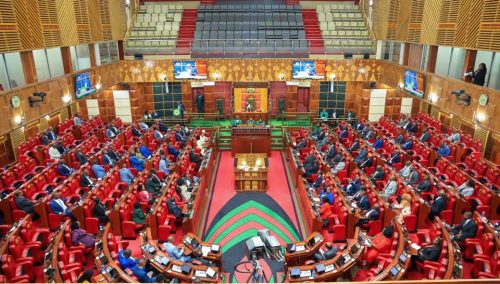
MPs supporting the regulations argued that the reforms correct a long-standing problem of inconsistent pay practices in the public sector. Nyando MP Jared Okello noted that salaries had previously been allocated in a haphazard manner, leading to disparities that the new regulations are designed to eliminate by introducing predictability and uniformity.
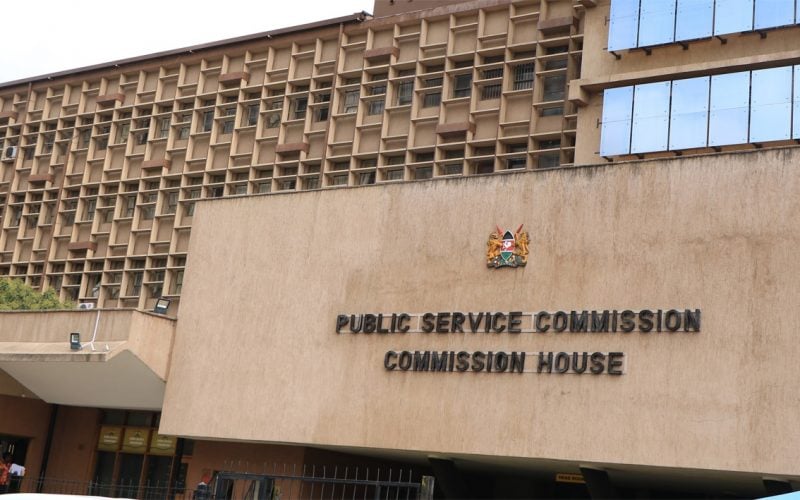
“There has been a haphazard way of apportionment of salaries. Public officers have had to undergo a lot of disparities. The Regulations create a level of uniformity and certainty,” said Nyando MP Jared Okello.
Ainabkoi MP Samwel Chepkonga also told the House that the revised framework addresses earlier legal and constitutional issues that had invalidated previous attempts at reform, giving the SRC clearer authority to implement fair and transparent remuneration systems.
The regulations also tighten control over allowances, which have historically been used in some cases to significantly boost earnings in certain offices.
Going forward, allowances will be governed by clearer guidelines and limits, reducing room for inconsistency and ensuring that similar roles attract similar compensation structures regardless of institution.
Nairobi County Woman Representative Esther Passaris supported the changes, saying they are essential for managing the growing public wage bill and ensuring equity across government.
Ultimately, the approval of the SRC Regulations, 2025 marks the end of a long-running dispute between the SRC and various state agencies over control of public sector pay structures, and ushers in a more centralised, standardised approach to how civil servants are paid and how their payslips will be structured going forward.