Advertisement
Be practical with government projects
Tuesday 14th November, 2023 09:10 AM|
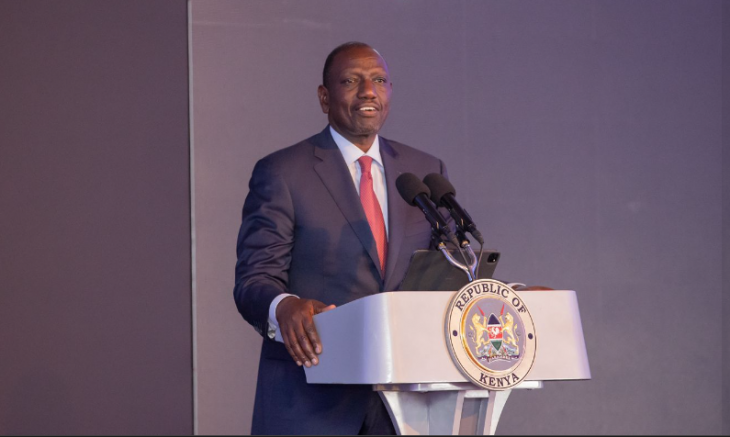
One of the questions that has often been asked at various economic forums is whether the Kenya Kwanza administration is trying to live out of its means.
President William Ruto assumed office at a time when the country was beset by rising food and fuel prices, high unemployment and a worrying debt burden.
Traversing the country to sell his Bottom Up Economic Transformation Agenda (BETA) and his Hustler narrative, President Ruto promised to fix an economy afflicted by corruption and ineptitude, entrench good governance and place the poor at the centre of economic policy.
Ruto’s promises were significant and formed the main basis of his victory.
But just over a year since he was sworn in Ruto is no nearer to turning the Kenyan ship around. Resolving the country’s economic hardships seems to have proved a hard nut to crack.
Against all odds of the dwindling economy, the President has remained as ambitious and optimistic as ever, which is a good sign from a leader of a country going through an economic downturn.
However, with revelations emerging over the financial stress the government is going through, certain realities need to be factored into every project that those in authority intend to undertake.
The Kenya Kwanza administration has lined up several projects it desires to have accomplished by the end of its first five-year term.
Some of the mega projects that economists warn would consume in excess of Sh3 trillion to undertake.
Whereas projects such as the Universal Health Coverage , affordable housing scheme, new university funding model, cultivation of 300, 000 acres of land in Galana Kulalu, construction of one level five hospital in every county and the hosting of the African Cup of Nations (Afcon) in 2027, caution is needed to ensure the government does not burden taxpayers.
The source of funds to finance all these projects narrows down to taxation and grants.
Apparently, Kenya is among countries where the government collects the highest taxes on fuel.
The intended projects could be good, but the government must be realistic in its undertakings, especially on the funding.
Author
Editorial.Team
View all posts by Editorial.TeamLatest News



Advertisement
More on Insights