Advertisement
As Trump fights ghosts, China and EU build empires
Tuesday 29th July, 2025 07:00 AM|
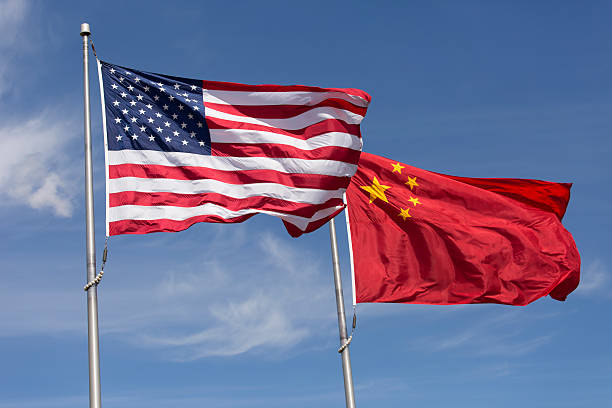
In an increasingly fragmented world, the global balance of power is visibly shifting.
With the United States appearing less interested in global cooperation and more consumed by internal politics and transactional diplomacy—especially under Donald Trump’s renewed leadership—opportunities are emerging for other players to step up.
Among the most significant is the evolving relationship between China and the European Union.
Although historically different in political systems and cultural orientation, these two entities now find themselves aligning on several key global issues.
You Might Also Like
If this trend continues, the China-EU relationship could become a central axis in a redefined global order.
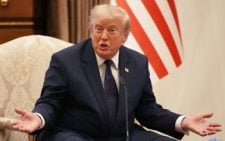
Donald Trump’s return to the presidency has once again brought a brand of foreign policy that is largely antagonistic, unpredictable, and deeply nationalistic.
His “America First” mantra emphasises unilateralism, tariffs, and withdrawal from multilateral institutions.
This not only erodes America’s global credibility but also leaves behind a vacuum in global leadership.
Institutions that the US once championed—NATO, the UN, the WTO—now often find themselves dismissed or undermined.
Allies are increasingly cautious, competitors emboldened, and multilateralism weakens with each hostile tweet or policy swing.
In contrast, China and the European Union are steadily embracing the roles of stabilisers.
Europe, long committed to multilateral diplomacy, climate cooperation, and global economic integration, is searching for partners who value structured engagement over chaotic rhetoric.
China, despite criticisms of its domestic policies, has positioned itself as a consistent voice in global trade, development financing, and climate change negotiations.
Initiatives like the Belt and Road and its active participation in global climate pacts show a nation eager to fill leadership gaps left by an absent America.
This convergence between China and the EU isn’t without its tensions.
Human rights, cybersecurity, and concerns over market access remain sticking points.
Yet, their willingness to engage in strategic dialogue rather than confrontation marks a notable departure from the hostility dominating US foreign policy.
Recent bilateral talks on green technology cooperation, infrastructure investment, and trade reform show a pragmatic desire to work through differences for mutual gain.
What makes this potential alliance especially impactful is its combined economic and diplomatic weight.
The EU is the world’s largest trading bloc; China is the second-largest economy. Together, they represent a massive share of global GDP, trade volume, and investment flows.
A cooperative framework between them has the potential to set standards—on technology, environmental regulation, trade practices—that smaller nations may be compelled to follow, thereby reshaping global norms from the ground up.
The writer is a Journalist and Communications Consultant
Author
Latest News







Advertisement
More on Insights