Advertisement
Salasya criticises ODM, says party has lost founding ideals
Friday 24th April, 2026 12:28 AM|

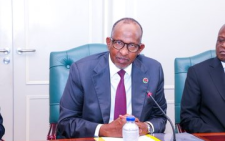
Mumias East Member of Parliament Peter Salasya has criticised the Orange Democratic (ODM) party, accusing it of drifting from its founding reformist principles. He said the shift signals what he termed the beginning of the party’s decline.
In an interview on Thursday, April 23, 2026, Salasya said ODM was established to challenge the status quo and advance reforms but has since moved away from that mandate.
“ODM has at present strayed from the principles upon which it was founded,” he said.
“The challenges Kenyans are currently facing can be attributed to the actions of ODM. At one moment, the party positions itself in the opposition and at another, it seeks to align with the government. As a result, those of us tasked with providing oversight have been removed from committees. This demonstrates that the party has lost its focus.”
You Might Also Like


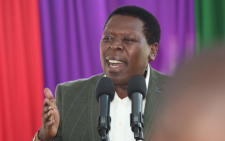
He said the party was not designed to operate in a “comfort zone” but to remain firm in oversight and accountability roles.
ODM–UDA engagement
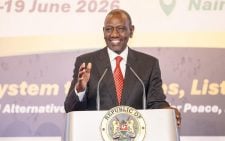
Salasya’s remarks came hours after ODM and the United Democratic Alliance (UDA) held a joint consultative meeting at State House, Nairobi, co-chaired by President William Ruto and ODM leader Oburu Odinga.
The meeting brought together the UDA Steering Committee and ODM Central Management Committee. An ODM statement indicated that discussions focused on cooperation, shared interests, and plans toward a possible coalition of equals ahead of the 2027 General Election.
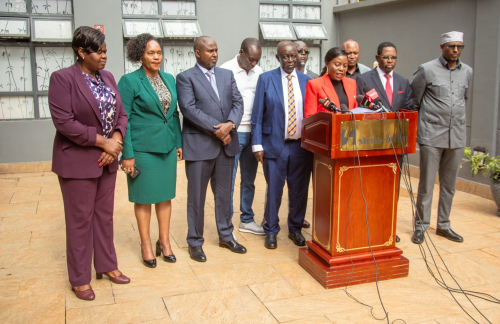
The resolutions included structured consultations between party leadership and the formation of a Broad-Based Management Committee comprising party officials, selected Cabinet Secretaries, and parliamentary leaders to coordinate legislative and executive priorities.
Coalition talks
The engagement has triggered internal discussions within ODM, with some leaders expressing concern over the implications of closer cooperation with UDA.
ODM leadership has indicated that ongoing negotiations remain open, with party officials previously stating that multiple options are under consideration in shaping future political arrangements.
Legal stakeholders have also weighed in on emerging coalition discussions, noting that any binding electoral zoning framework could face constitutional scrutiny under provisions guaranteeing political participation rights.
Author
Latest News


Advertisement
More on Inside Politics