Ruto reaffirms end of vetting, urges Wajir residents to get IDs
By Kenneth Mwenda, May 31, 2026President William Ruto has urged residents of Griftu in Wajir County to apply for and collect national identity cards, saying the government has already ended the long-standing vetting process that slowed down access to documents in Northern Kenya.
Speaking on Sunday, May 31, 2026, during his visit to the area, Ruto said the removal of vetting and discrimination means all Kenyans now go through the same process when applying for IDs.
“Mimi nilikuja hapa Wajir nikasimama pale kwa stadium nikawaambia mambo ya vetting, mambo ya marginalisation, mambo ya discrimination, tutaondoa,” he said.
He told residents that their citizenship is equal to that of any other Kenyan and should not be questioned based on region or background.
“You are as good as citizens of any part of the Republic of Kenya,” Ruto said.
The President said the government had already removed barriers that made it difficult for people in the region to access national documents.
“Hiyo maneno ya vetting tumeondoa, maneno ya discrimination tumeondoa,” he added.
Ruto urged residents to take action by ensuring they have national identity cards, saying the document is key to accessing government services and economic opportunities.
“Sasa nyinyi mchukue kitambulisho mhakikishe kwamba uraia wenu is not contestable, tuhakikishe ya kwamba kila sehemu ya Kenya inasonga mbele,” he said.
The President linked the message to his wider push for equality in public service delivery, saying no region should be left behind in access to rights and development.
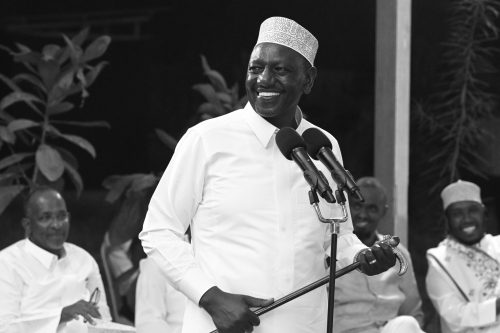
End of ID vetting
For years, residents of North Eastern Kenya have complained about strict vetting procedures that delayed or blocked the issuance of identity cards. The process often required extra checks that did not apply in other parts of the country, affecting access to jobs, banking services, and voter registration.
In February 2025, Ruto announced the end of mandatory vetting for residents of border counties, saying the practice had unfairly treated citizens as suspects when applying for national documents.
Since the policy change, new ID applications in the region have been processed under the same system used across the country.
Government officials say the reform is part of a broader effort to promote equality and reduce historical discrimination.
Deputy President Kithure Kindiki has also defended the change, saying it will be remembered as a major step toward equal citizenship in Kenya. He said young people in the region had suffered the most under the old system.
The government has tied the policy shift to wider development efforts in Wajir and other northern counties, including road construction, housing projects, and education investments.