Advertisement
Peter Mbae slams former boss Ruto for overpromising on development projects
Wednesday 29th April, 2026 09:56 AM|

Democracy for the Citizens (DCP) Secretary for Planning and Economic Affairs, Peter Mbae, has jolted President William Ruto’s development track record, even as the president beefs up his charm offensive ahead of the 2027 contest.
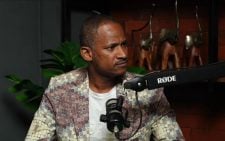
Speaking in an interview on a local TV station on Wednesday, April 29, 2026, Mbae accused the Head of State of over-promising in his fourth year in office and failing to match political declarations with tangible delivery.
“President Ruto has been over-promising in his fourth year. He should be commissioning and flagging off new projects, not relaunching or conducting inspection tours. Kenyans are tired of his lies,” Peter Mbae, who resigned from his role as the Head of Government Delivery Services (GDS) in January 2025, stated.
His remarks come amid growing political discomfort over what critics describe as a widening gap between government promises and implementation.
You Might Also Like
For instance, Ruto’s administration is facing renewed scrutiny over several high-profile infrastructure pledges, particularly the long-delayed reconstruction of the Nithi Bridge in the eastern region.
Since taking office in 2022, President Ruto has repeatedly highlighted the bridge as a priority development project, often citing it as an urgent safety concern due to its history of fatal accidents. However, despite multiple public assurances and repeated updates, construction has yet to begin.
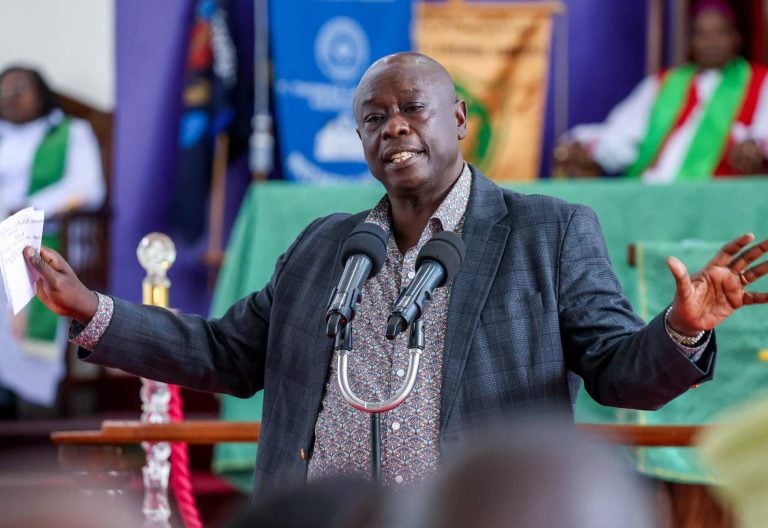
In April 2023, while addressing a church gathering in Tharaka Nithi attended by then-Governor Kawira Mwangaza and Tharaka Nithi Governor Muthomi Njuki, the President assured residents that the project had already been factored into the national budget cycle for that year.
“Mambo ya Nithi Bridge, tayari tuko kwa mpango wa kupanga budget ya mwaka huu,” he said at the time, promising imminent action.
Two years later, in September 2025, Ruto revisited the issue during a meeting with regional leaders at State House, stating that the government had allocated approximately Ksh7 billion for the project, and that the engineering designs had already been completed. He further insisted that he had personally reviewed the plans.
“I have seen the design myself, it’s perfect,” he said, adding that the redesign would eliminate dangerous bends on the bridge.
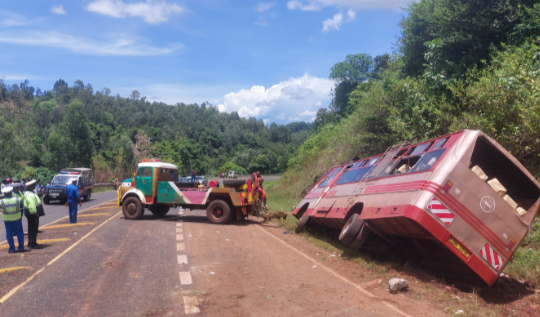
Ruto’s murky waters?
By March 2026, during a public function in Nyeri, the president again assured Kenyans that contractors had already been identified and that implementation was ready to begin.
“My assurance to you is that we now have a solution,” he told the gathering, sparking applause from attendees.
He has also previously pointed to alternative design options under consideration, with projected costs ranging from Ksh5 billion to Ksh50 billion, depending on the scope and engineering specifications.
At various State House engagements, Ruto has reiterated that contractors had been engaged and instructed to commence work, while emphasising his government’s commitment to modernising key transport infrastructure across the country.

Moreover, Deputy President Kithure Kindiki also assured the public in October 2025 that construction would begin within months, stating that the project had already been funded and publicly advertised.
“Give us a few months, and we will do it,” he said, adding that both he and the president would eventually oversee its commissioning.
However, despite repeated assurances from senior government officials, there has been no visible commencement of construction, fueling public scepticism and political criticism over the delayed delivery of key infrastructure promises.
The growing debate now places pressure on the administration to demonstrate tangible progress on flagship projects, as critics argue that repeated announcements without implementation risk eroding public trust in government commitments.
For many Kenyans, the concern is no longer about promises made, but about when, if ever, those promises will be fulfilled.
Author
Latest News



Advertisement
More on Inside Politics