Orengo answers ODM as fresh row erupts over Ksh12B political parties’ funds
By Aloys Michael, May 6, 2026Siaya Governor James Orengo has moved to clarify his role in the landmark legal battle over the Political Parties Fund, pushing back against claims by the Orange Democratic Movement (ODM) that he neither initiated nor solely drove the case that eventually resulted in a multibillion-shilling award.
The dispute, which has reignited political and legal debate within ODM circles, centres on a claim that the party is owed about Ksh12 billion in public funding arrears.
While ODM insists the case was a collective party decision, Orengo maintains he played a central legal role in establishing the foundation of the ruling.
In an exclusive interview with K24 TV on Wednesday, May 6, 2026, Orengo dismissed ODM’s assertions, saying key facts were being misrepresented.
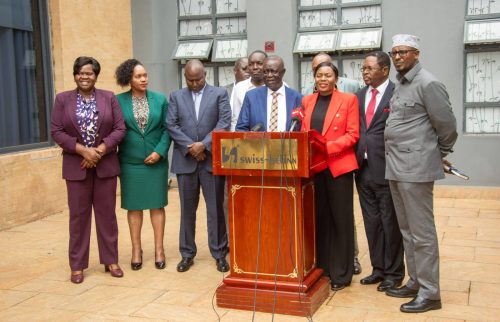
“First of all, that statement was not signed. If you go to the records, because judgments of the court are in the records, and you can go to law reports,” he said, insisting that the matter is fully documented in court proceedings.
He added that the case moved through multiple court levels, including the High Court and the Court of Appeal of Kenya, where the ruling ultimately determined that ODM was entitled to significant public funds.
“I give that the case before the High Court before Justice Alubiri, and then it went to the Court of Appeal. Indeed, by the time that judgment was awarded, ODM was owed about Ksh4 billion, which has grown to Ksh12 billion,” Orengo stated.
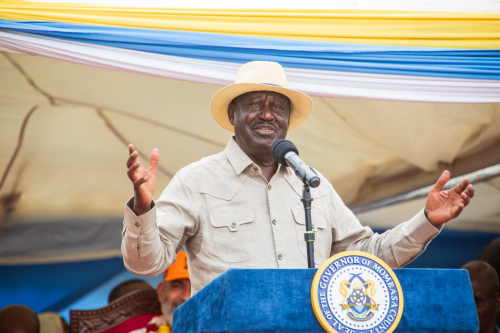
According to him, the initial legal push was undertaken on a pro bono basis, motivated by his involvement in political and constitutional matters at the time.
“They have been paid some of that money, but the point is, I did that money pro bono and because I was a Senator and involved in a lot of things at the time,” he said.
Orengo further explained that he worked closely with advocate Julie Soweto, whom he described as instrumental in drafting and arguing the case.
“I talked to a very good lawyer, Julie Soweto, with whom we have done many cases, including the presidential petition, which was drafted in her office, but we argued together,” he said.
He clarified that any financial expectations raised during the litigation were directed toward Soweto’s firm based on work done, not himself personally.
“The payments that they were to make were only to Julie Soweto in regard to the works she did in the case,” Orengo added.
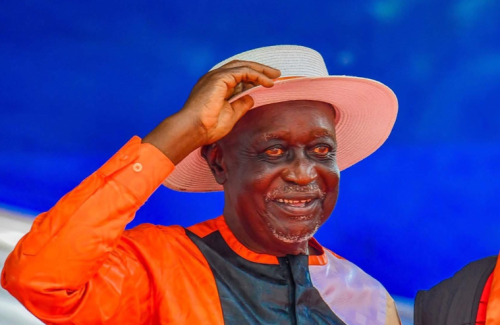
Orengo-ODM tiff
His remarks come just a day after ODM formally rejected his claim that he personally initiated the case. In a statement, the party said the legal action was approved by its National Executive Committee and filed on behalf of the party as a whole.
“We have noted the claim by Gov. James Orengo that he personally initiated the matter. With respect, that position is not accurate,” ODM stated.
The party maintained that internal records show a structured decision-making process rather than an individual-driven legal strategy.
“The true position as borne out by the Party’s records is that the National Executive Committee deliberated on the issue and formally resolved that the case be filed on behalf of the Party,” ODM said.
ODM also disputed the nature of Orengo’s involvement, insisting he was engaged strictly on a pro bono arrangement that later evolved into a formal legal fee dispute involving external counsel.
In the controversy is also a separate ongoing legal disagreement between ODM and Soweto’s law firm over claims reportedly exceeding Ksh350 million in legal fees.
The matter has also drawn in former party leader the late Raila Odinga, with ODM claiming that early tensions around legal fees led to internal disagreements over how the case was handled.