MP Ngogoyo defends Parliament, blames project failures on Executive
By Kiprono Keileb, August 8, 2025Kajiado North Member of Parliament, Onesmus Ngoyoyo, has clarified that Parliament has fulfilled its duty by approving the necessary funds for government projects, placing the full responsibility for implementation squarely in the hands of the President.
Ngoyoyo’s statement comes amid growing public criticism of delays and failures in the rollout of government programs and development projects. Addressing the issue during a talk show aired by a local radio station on Friday, August 8, 2025, Ngogoyo stated that both houses of representatives have done their part.
“You cannot blame the Senate or the National Assembly for a problem that is not theirs. Implementation belongs to the president,” Ngogoyo stated
He emphasised that Parliament has done its part by ensuring the flow of funds needed for execution.
“We’ve already approved all the funds he needs to get things done, approved by the National Assembly,” Ngoyoyo said.
He explained that the process involves specialised parliamentary committees, including the committee of the hall and the committee of means and ways, the latter responsible for releasing funds to various state departments.
Ngoyoyo made it clear that the committee’s role is to provide means and ways for him to implement projects. But the actual responsibility of procurement, execution, and oversight rests with the President. “He’s the one who procures, he’s the one who executes, he’s the one who oversees implementation,” he stated.
The MP pointed out that when the public says the President has failed, it is because Parliament has already done its job by facilitating the resources.
“So when we say that the president has failed, it’s because we’ve done our job and facilitated him enough,” Ngoyoyo noted.
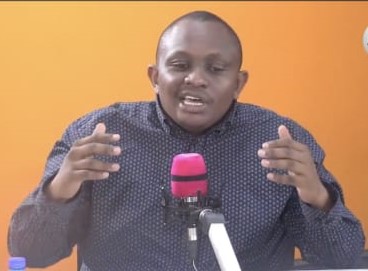
Highlighting the financial tools at the President’s disposal, “He has even securitised fuel levy so that he gets money upfront,” Ngoyoyo said, illustrating that the government has been proactive in ensuring available funding for projects.
Ngoyoyo’s comments shed light on the separation of roles between Parliament and the Executive in Kenya’s governance system. While Parliament controls the purse strings through budget approvals and fund allocation, the implementation and management of government programs are duties vested in the Executive arm, led by the President.
As frustrations mount over slow progress on national projects, Ngoyoyo’s statement reminds Kenyans that Parliament’s role is limited to budgetary oversight and approval, not execution. The ultimate accountability for delivering results lies with the President and his administration.
This clear delineation of responsibilities signals that any shortcomings in service delivery should be addressed at the executive level while Parliament continues to focus on providing the necessary funding and legislative oversight.