Molo MP backs Executive’s role in designing National Infrastructure Fund
By Ndiritu Wanjiru, March 10, 2026Kuria Kimani, the Member of Parliament for Molo Constituency and chairperson of the National Assembly Finance and National Planning Committee, has defended the executive’s role in making suggestions about how the National Infrastructure Fund Act will be run, saying that this is the executive’s job.
During a local TV interview on Tuesday, March 10, 2026, the legislator said that the executive branch is best suited to come up with ideas for how the fund will work. He also said that the National Assembly’s job will be to review and approve these ideas once they are formally presented to the House.
“We elected the president and the executive to run this country, so proposals come from the executive. You may or may not like the president, but he controls the funds needed to run the country,” Kuria said.
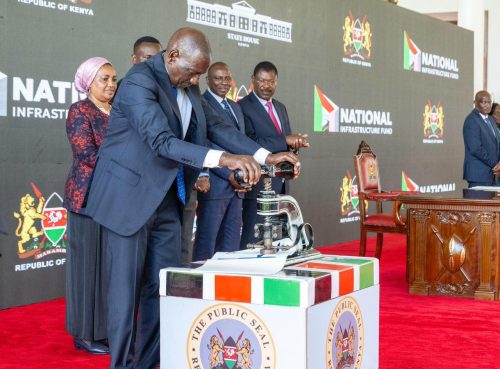
The lawmaker said that Kenyans choose the president and the executive to run the country and manage public resources. This makes sense because the executive should decide how to structure and carry out funds for national development. He said that no matter what people think about the president’s politics, the executive branch is still in charge of the money needed to run government programmes and development projects.
According to the MP, once the executive develops proposals on the running of the infrastructure fund, they will be presented to the National Assembly, where legislators will debate, scrutinise, and either approve or amend them in line with the law.
Parliament’s role in the Fund
He stressed that Parliament’s constitutional role is to oversee and approve, making sure that any proposals that come before it meet the country’s legal, financial, and governance standards while also serving the country’s best interests.
The proposed infrastructure fund should help pay for big national projects like transport networks, energy infrastructure, and other strategic investments that will speed up Kenya’s economic growth and make it easier for people to get around.
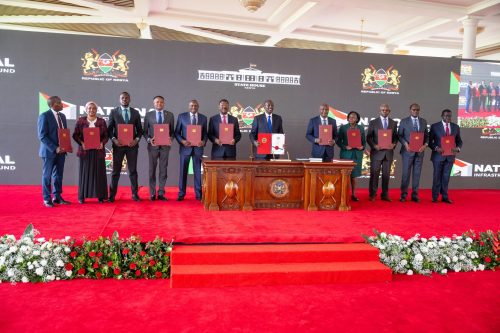
Kimani’s comments came just hours after William Ruto signed the National Infrastructure Fund Act into law on March 9, 2026. This made it possible for the fund to be set up and for the executive to come up with plans for how it will work.