Matiang’i interacts with Meru traders as Mbadi defends controversial mitumba tax proposal
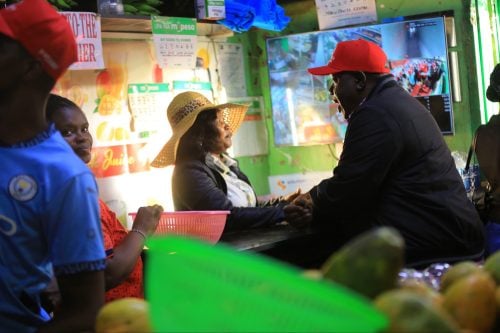
By Aloys Michael, June 6, 2026Jubilee Deputy Party Leader Fred Matiang’i has intensified his grassroots engagement tour after meeting traders, business owners, and residents in Meru Town, even as National Treasury Cabinet Secretary John Mbadi continued to defend the proposed presumptive tax on second-hand clothes, popularly known as mitumba.
Matiang’I is on a four-day political tour of Meru County as opposition leaders step up activity in the region ahead of planned mobilisation efforts.
In a statement on Saturday, June 6, 2026, the Jubilee leader praised local traders for their resilience and determination despite the economic challenges facing the country.
“This afternoon, I spent time engaging with traders, business owners, and residents in Meru Town. Their resilience, hard work, and determination to build a better future for their families are a powerful reminder of the strength of our nation,” Matiang’i said.
The former Interior Cabinet Secretary, who has recently stepped up public engagements across the country, expressed optimism about Kenya’s future.
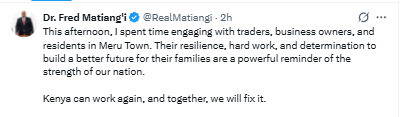
“Kenya can work again, and together, we will fix it.”
His remarks came at a time when debate continues to rage over taxation proposals affecting small-scale traders and the informal sector, particularly the mitumba business that supports thousands of livelihoods across the country.
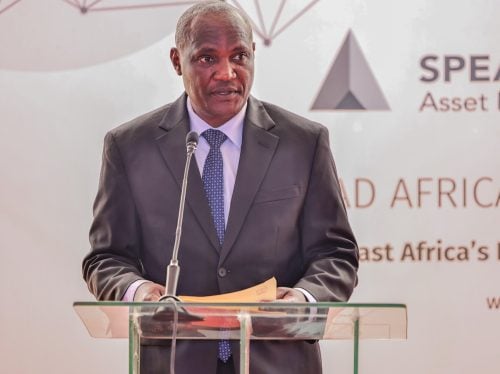
Meanwhile, Treasury CS John Mbadi has defended the controversial presumptive tax proposal on imported second-hand clothes, insisting it was developed following consultations with traders who sought a simpler taxation framework.
Speaking in a video statement shared on social media, Mbadi revealed that mitumba traders had approached the Treasury complaining about the complexity of the current tax system.
“They expressed frustrations. They asked for a simplified tax system where they pay at the point of entry and no one comes again to demand for any taxes,” Mbadi said.
The proposal, which was initially included in the Finance Bill 2026 before being removed by the National Assembly, sought to introduce a presumptive tax equivalent to 1.5 per cent of the customs value of imported mitumba goods.
According to the Treasury, the measure was intended to consolidate various tax obligations, including Value Added Tax (VAT) and income tax filings, into a single payment made at the point of importation.
Mbadi argued that the proposal would significantly reduce compliance costs and ease administrative burdens for traders operating in the sector.
Although Parliament removed the provision during deliberations on the Finance Bill 2026, the Treasury CS maintained that it addresses genuine concerns raised by industry players and should be reconsidered through future amendments.
“I still insist we should have it. It is addressing an industry problem,” Mbadi stated, calling for further consultations with stakeholders in the mitumba sector.
However, the proposal has faced strong opposition from some leaders and traders. Mumias East MP Peter Salasya criticised the tax plan, warning that it could amount to double taxation and ultimately increase the cost of second-hand clothing for consumers.
The mitumba trade remains a critical pillar of Kenya’s informal economy, providing affordable clothing to millions of Kenyans while creating employment opportunities for traders across major markets, including Nairobi’s Gikomba market.
As Parliament continues reviewing the Finance Bill 2026 and related amendments, the future of the proposed mitumba taxation framework remains uncertain, with both government officials and traders keenly watching the outcome of the debate.