Advertisement
Leaders warn against Kenya’s toxic electoral politics
Friday 25th July, 2025 05:20 AM|

As Kenya heads into the long campaign stretch ahead of the 2027 General Election, a growing number of political and religious leaders are sounding the alarm over rising levels of toxic rhetoric and political polarisation.
Political observers and civic actors are increasingly getting concerned that the current trajectory, if not reversed, could destabilise national unity and lead to violence similar to that witnessed in past electoral cycles.
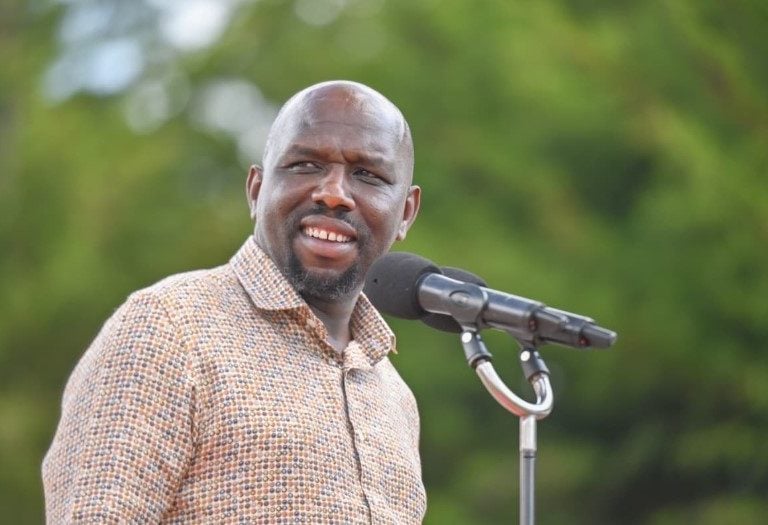
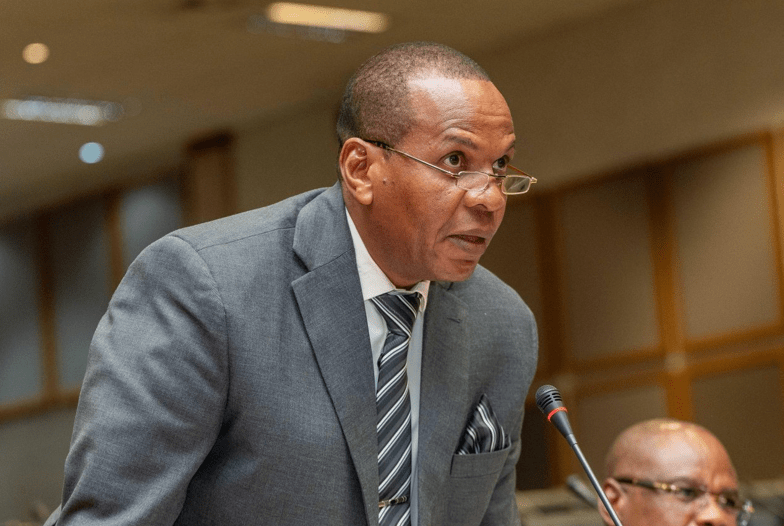
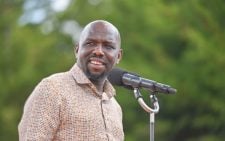
Yesterday, Uriri MP Mark Nyamita (inset) urged restraint, warning that Kenya cannot afford to enter another election season riding on hate and spite.
“We must not allow political campaigns to descend into chaos and divisiveness,” Nyamita said in a candid press interview, urging a return to issue-based politics that speak to the real concerns of Kenyans.
You Might Also Like

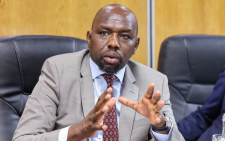
Backing the call for a more constructive political discourse is Kuria East MP Marwa Kitayama, who warned that unchecked political toxicity could lead to dangerous levels of national fragmentation.
“We must reduce the temperature,” Kitayama stated. The MP emphasised the urgent need to detoxify the national conversation, stating: “Political toxicity must tone down ahead of 2027 so that we don’t divide this country along our biological descent.”
With the next General Elections just over two years away, the conversation around Kenya’s political maturity is continuing to gain momentum almost daily as national conclave conversation ensues.
Civil society groups, youth movements, and women’s organizations, too, are also increasingly being called upon to serve as watchdogs against hate speech and to hold political leaders accountable for the narratives they push.
Political scientist, Wilson Agenya, notes that Kenya’s electoral history has been marred by post-election violence, tribal divisions, and contested results.
“In this context, the MP’s warning is not abstract. It reflects real anxieties about the fragility of democratic processes in the face of populism and propaganda,’’ he explained.
With social media platforms increasingly weaponised to spread disinformation and incite tension, analysts argue that political communication has become less about persuasion and more about polarisation.
Several clerics and faith-based organisations have urged politicians and citizens alike to reflect deeply on the cost of divisive politics and to recommit to building a stable, inclusive nation.
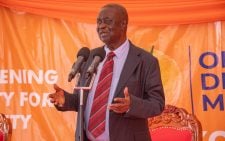
Nyanza-based Anglican Church Bishop Rev Prof David Kodia asked Kenyans to civilise their political language.
“Let us focus on the common good of Kenyans.,” he said.
The analysts say the shift toward issue-based campaigning, if embraced by both the electorate and political elites, could help reduce hostility in public discourse and steer the country toward more sustainable governance.
“The political elite can either inflame tensions for short-term gain or use their platforms to guide Kenyans toward a more constructive, unified future.” said Agenya.
Author
Latest News




Advertisement
More on Inside Politics