Kivutha Kibwana explains difference between Saba Saba in the 90s and 2026
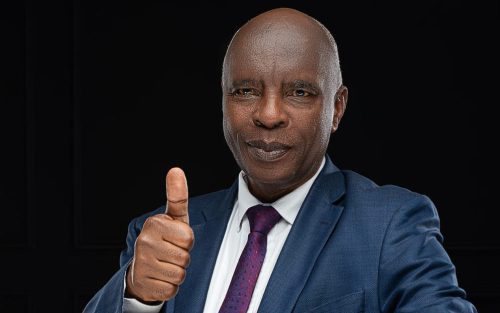
By David Nthua, July 8, 2026Former Makueni Governor Prof. Kivutha Kibwana says university students and young people from informal settlements were among the main forces behind the 1990 Saba Saba movement.
Kibwana spoke to a local TV station on Wednesday, July 8, 2026, where he said the historic campaign was largely political and relied heavily on youth mobilisation against Kenya’s one-party system.
“Saba Saba was spearheaded largely by politics, particularly by youths from universities and informal settlements,” Kibwana said during the interview.
The July 7, 1990, demonstrations increased pressure on the late former President Daniel arap Moi’s government to restore multiparty democracy.
Opposition leaders Kenneth Matiba and Charles Rubia were detained before the planned Kamukunji rally, while other democracy activists were arrested or assaulted.
Difference in the struggle
Kibwana said the major difference between the 1990 struggle and present-day demonstrations was the state’s response to public mobilisation.
“The difference now is that the state has developed tactics to mute demonstrations, leading to fewer people in the streets,” he said.
Governance analyst Frankline Mukwanja also compared the current handling of protesters to the 1990s.
“Just like the 1990s, this regime is proving to be competent in suppressing the rights and freedoms of Kenyans in how the police handle protesters. The agenda remains the same; wanting justice and accountability,” Mukwanja said.
Activist Sheila Olang said fear and protest fatigue had pushed more Kenyans towards online political discussions.
“We are converging online and having conversations about democracy, police brutality, and economic justice,” she said.
Saba Saba lockdown
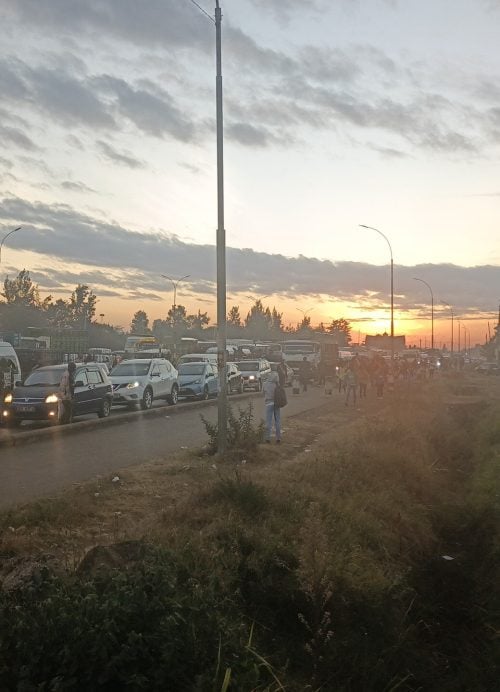
The 2026 Saba Saba commemoration was marked by heavy police deployment in Nairobi.
Major roads and routes leading to government buildings were blocked, limiting movement into the city centre and discouraging street protests.
Police intensified security checks and surveillance amid concerns that activists could mobilise demonstrations.
Commuters experienced delays, while some businesses remained closed or opened late.
The security operation prevented large protest gatherings in Nairobi, despite calls from activists for demonstrations and stay-at-home action.
Kibwana maintained that fewer protesters on the streets did not mean demands for democracy, justice and government accountability had disappeared.
He said the state had simply developed more effective methods of restricting mobilisation.