Kindiki defends Ruto as debate intensifies over proposal to scrap fuel taxes
By Aloys Michael, May 23, 2026Deputy President Kithure Kindiki has defended President William Ruto amid growing calls to remove some fuel taxes in a bid to ease the rising cost of living.
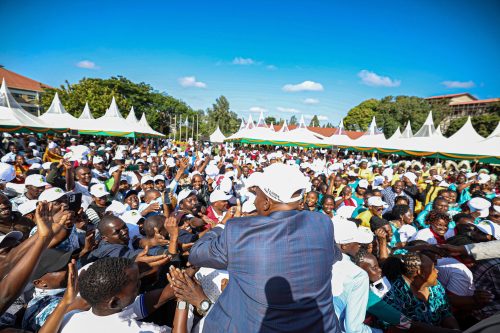
Addressing on Saturday, May 23, 2026, in Meru, Kindiki warned that proposals to completely scrap fuel-related taxes could cripple government operations and undermine the delivery of essential public services across the country.
“Those who are engaging in inflammatory politics at a time when we are facing global challenges keep telling us that the solution to all these problems is to scrap all taxes completely, to reduce them to zero per cent, claiming that citizens should not have to pay taxes at all,” Kindiki said.
He argued that while Kenyans are demanding lower fuel prices, they must also consider the broader economic implications of eliminating taxes that fund infrastructure and government programmes.
“Yet the very same people do not say that citizens need roads and electricity. The roads and electricity that you demand from the President and the government require tax revenue to be delivered. Therefore, we must strike a balance,” he added.
At the same time, the DP accused opposition leaders of taking advantage of the global oil crisis caused by the ongoing conflict in the Middle East to score political points instead of presenting workable economic solutions.
According to Kindiki, the government is already facing immense pressure from international fuel price shocks, and removing all taxes on petroleum products would significantly reduce revenue needed to sustain public services and development projects.
His remarks come at a time when the government is facing backlash over increasing pump prices that triggered a nationwide matatu strike and heightened public anger over the cost of living.
Nyoro’s fuel tax proposals
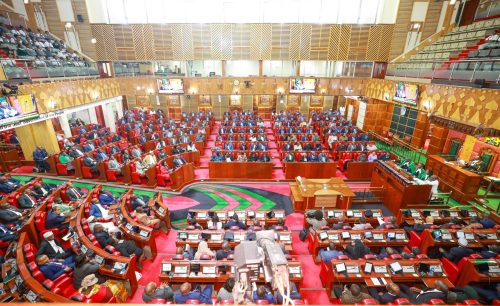
The debate over fuel taxes intensified after the National Assembly agreed to consider proposals by Ndindi Nyoro aimed at lowering fuel costs.
In a communication dated May 20, 2026, Parliament confirmed receipt of Nyoro’s proposals seeking legislative amendments to reduce the price of super petrol, diesel and kerosene.
The letter, signed by Parliamentary Budget Office Director Martin Masinde, stated that the proposals would be processed under Article 114 of the Constitution and relevant Standing Orders.
Parliament further indicated that the Budget and Appropriations Committee, alongside the Departmental Committee on Finance and National Planning, would review the proposals and assess their impact on the national budget and existing financial obligations tied to the Road Maintenance Levy Fund.
Nyoro’s first proposal seeks to reduce the Road Maintenance Levy Fund charge by Ksh7 per litre through the revocation of the 2024 levy order that raised the charge from Ksh18 to Ksh25 per litre.
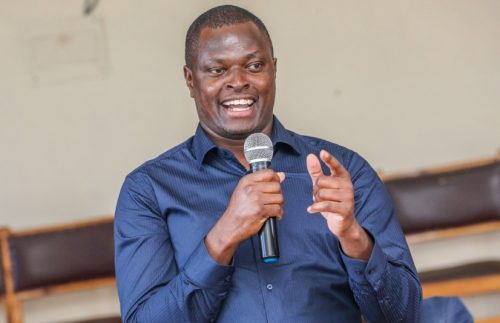
His second proposal aims to amend the VAT Act by removing petroleum products from taxable supplies and classifying them as VAT-exempt, effectively reducing VAT on fuel from the current eight per cent to zero.
“These amendments are short-term measures aimed at reducing the inflationary and sticky economic effects arising from the current high fuel prices,” Nyoro said in his submission to Parliament.
The Kiharu MP also proposed reducing profit margins for fuel importers and distributors, as well as introducing an additional Ksh5 billion subsidy specifically for petrol.
“The measures will reduce the price of diesel by approximately Ksh54 per litre,” Nyoro argued.
The proposals have emerged amid growing public frustration following the May 14, 2026 review by the Energy and Petroleum Regulatory Authority that saw fuel prices rise further.