Advertisement
Kimani Ngunjiri explains why govt’s empowerment project is failing Kenyans
Thursday 21st May, 2026 09:14 AM|

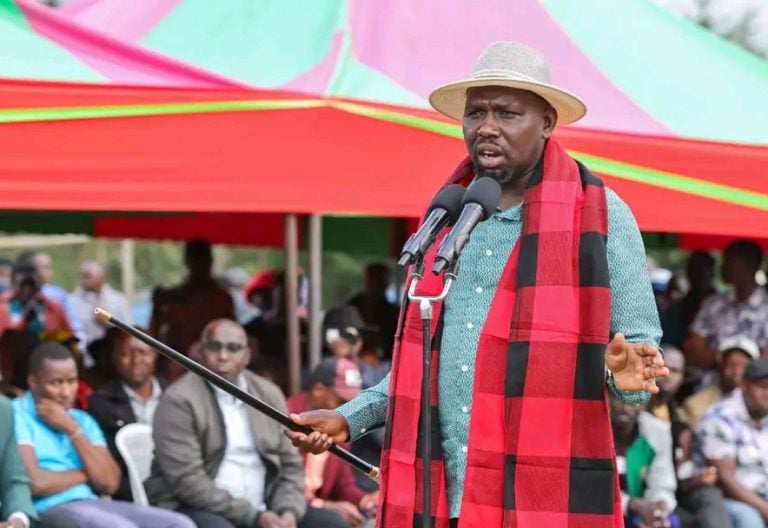
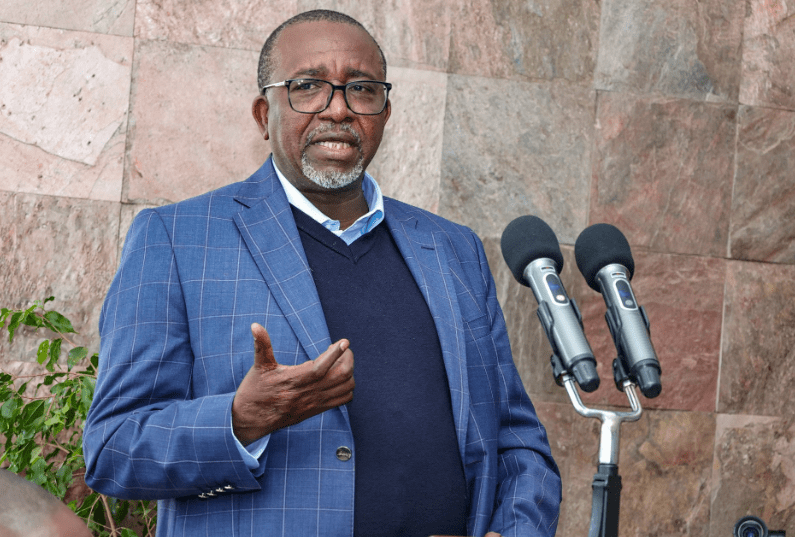
Former Bahati MP Kimani Ngunjiri has elbowed the government’s economic empowerment programmes, claiming the initiatives are politically driven and have failed to improve the lives of ordinary Kenyans.
Speaking on Thursday, May 21, 2026, during an interview in Emoo FM, Ngunjiri dismissed the ongoing empowerment drives as publicity stunts designed to win political loyalty rather than uplift struggling citizens.
According to the former legislator, the programmes have instead created divisions in communities and intensified political tensions across the country.
“Hii pesa inapeanwa ya empowerment ni ya kupiga watu, the aim is not empowerment. The empowerment is used politically, because everywhere it happens, it leaves conflicts. It is the politics of insults as leaders plant their aspirants,” Ngunjiri said.
You Might Also Like


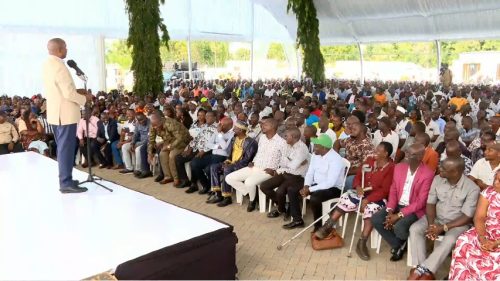
He warned leaders against taking the programmes to the Bahati constituency, insisting residents were more concerned about unresolved issues affecting their lives than political handouts.
“Now they are planning to come to Bahati, insult us and do as they wish. It will not work for the public. What empowerment are you doing, if the People of Bahati do not know what killed the pastor?” he posed.
Ngunjiri’s remarks add to the growing criticism facing President William Ruto’s administration over the controversial empowerment programmes that have seen millions of shillings distributed in public gatherings across various counties.
The programmes have recently come under intense scrutiny from opposition leaders, religious figures and a section of Kenyans questioning the source of the funds and the government’s priorities amid the rising cost of living.
Leaders fault Ruto
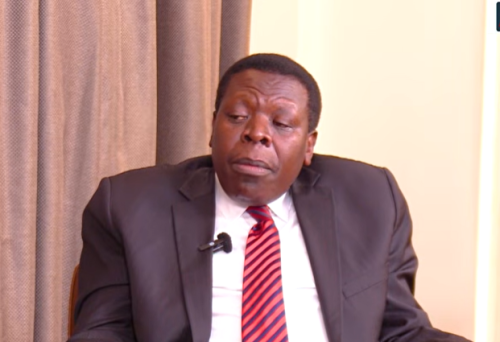
DAP-K leader Eugene Wamalwa accused the government of abandoning its promise to lower the cost of living and instead resorting to short-term political donations disguised as empowerment initiatives.
“This government has failed on its promise to lower the cost of living in the country, and now is engaged in what they call economic empowerment,” Wamalwa said.
The former Defence Cabinet Secretary further claimed that the state had resorted to violence against opposition leaders who questioned the programmes, especially after concerns emerged from residents in Kisii County over the amounts of money distributed during the events.
At the same time, former Deputy President Rigathi Gachagua joined the debate by condemning the disbursement of funds through churches and sub-county empowerment drives, while schools continue to struggle because of delayed capitation.
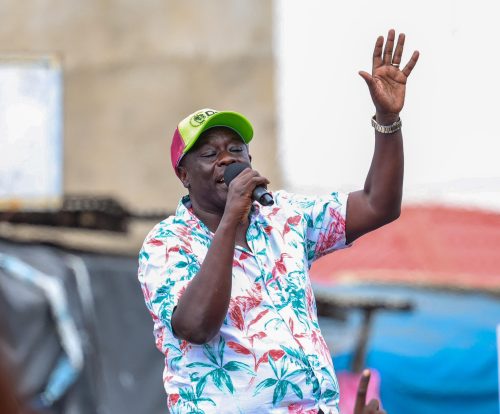
Gachagua argued that the money being issued during empowerment meetings should instead be redirected to critical sectors such as education, healthcare and agriculture.
“Tunaona pesa ya serial inasanywa, ma MPs wanapewa, magavana wanapewa, wanapatia yule mtu anaitwa yes sir awaletee nyinyi, watu wa church; si hii pesa yote ya serikali tueke pamoja tusomeshe watoto wote vile Kibaki alifanya,” Gachagua said.
The Democracy for the Citizens (DCP) referenced the leadership of the late former President Mwai Kibaki, saying the current administration should emulate Kibaki’s focus on free education and national development projects instead of political mobilisation.
Religious leaders have also voiced concern over the growing trend of public handouts. Anglican Archbishop Jackson Ole Sapit criticised the empowerment drives, terming them political gimmicks that fail to address systemic challenges facing Kenyans.
Sapit faulted the government over what he described as misplaced priorities, noting that schools, hospitals and farmers continue to suffer despite the millions being spent in roadside meetings and public barazas.
“Handouts will never change anybody’s life. They will get it and finish it in the evening with the liquors and other bad habits. When you teach people how to work and ensure that we have markets for our crops,” Sapit said.
The archbishop further urged the government to channel resources towards improving schools, university funding, healthcare and agricultural infrastructure to create sustainable economic opportunities for citizens.
Author
Latest News


Advertisement
More on Inside Politics