Advertisement
Japan votes as Sanae Takaichi seeks mandate for conservative agenda
Sunday 08th February, 2026 10:17 AM|

Voters in Japan are casting their ballots in a parliamentary election expected to deliver a resounding victory for Prime Minister Sanae Takaichi’s conservative coalition.
The snap vote on Sunday, February 8, 2026, comes as Takaichi seeks a new mandate to push through an ambitious agenda, including increased defence spending and tougher immigration measures.
The coalition of Takaichi’s Liberal Democratic Party (LDP) and the Japan Innovation Party, known as Ishin, could win more than 300 of the 465 seats in the lower house of parliament, according to multiple opinion polls.

The figure would mark a substantial gain from the 233 it is defending.
You Might Also Like


The opposition, despite the formation of a new centrist alliance and a rising far-right, is seen as too splintered to be a real challenger.
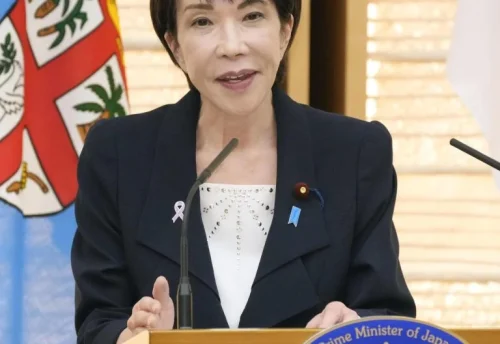
Takaichi, 64, is Japan’s first female prime minister and took office in October after being selected as the LDP’s leader. The ultraconservative politician has pledged to “work, work, work”, and her style – seen as both playful and tough – has resonated with younger voters.
She has said she will step down if the LDP fails to win a majority.
Rising cost of living
Voters on Sunday will select lawmakers in 289 single-seat constituencies, with the remainder decided by proportional representation votes for parties. Polls close at 12 pm when broadcasters are expected to issue projections based on exit polls.
The rising cost of living has taken centre stage in the election.
The issue is voters’ main concern, with prices rising while real wage growth lags behind inflation, leaving households worse off. Japan also faces longstanding problems with sluggish economic growth. The economy expanded just 1.1 per cent in 2025, and is on track to grow by only 0.7 per cent in 2026, according to the International Monetary Fund.
Takaichi has promised to suspend the 8 per cent sales tax on food for two years to help households cope with rising prices.

PHOTO/@IMFNews/X
The pledge follows the approval last year of Japan’s largest stimulus package since the COVID-19 pandemic, Ksh20.672 trillion injection into the economy, heavily focused on cost-of-living relief measures, including energy bill subsidies, cash handouts and food vouchers.
Takaichi has also promised to revise security and defence policies by December to bolster Japan’s offensive military capabilities, lifting a ban on weapons exports and moving further away from the country’s post-war pacifist principles.
She has been pushing for tougher immigration policies, including stricter requirements for foreign property owners and a cap on foreign residents.
Author
Latest News







Advertisement
More on Inside Politics