Advertisement
It was no longer tenable: Owalo explains reason for quitting govt
Wednesday 28th January, 2026 09:24 AM|
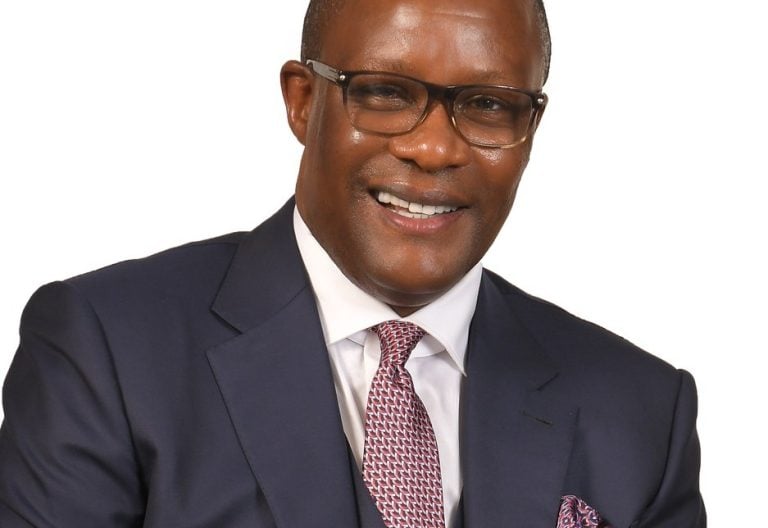
Days after he resigned from his government position as Deputy Chief of Staff for Delivery and Government Efficiency, Eliud Owalo has come out to explain in detail the reasons for his resignation.
Speaking in an interview on a local TV station on Wednesday, January 28, 2026, Owalo cited his decision to run for presidency in 2027 as the main reason he decided to resign from his position in government, stating that it was no longer tenable and would be seen as a conflict of interest and involvement in partisan politics if he continued to serve in his capacity after the declaration.
“I resigned because I had declared my intent to run for the presidency of the Republic of Kenya in the year 2027, and my continued stay in office as the deputy chief of staff, not advisor by the way, as the deputy chief of staff was no longer tenable,” Owalo said.

Owalo has also stated that he decided to run because he views his ability as the agent of change that the nation needs to bring about the final liberation in terms of economic growth.
You Might Also Like


He has further said that this decision to resign was not informed by frustrations in the government but by the opinion that some things could have been done differently if he were in the position to make decisions, and therefore, as the head of state, he would be able to make the decisions in the best way and in the best interests of the public.
The former deputy chief of staff has said his ambition is to change the paradigm by not continuing to work for political individuals but to work for the Kenyan people.
Owalo’s Political Career
Owalo has had a diverse political career, having previously worked closely with Prime Cabinet Secretary Musalia Mudavadi at Amani National Congress and with the late former Prime Minister Raila Odinga, serving as his chief campaign manager in 2013.

After the fallout with Raila Odinga, Owalo eventually joined Ruto’s camp ahead of the 2022 elections, after which Ruto won the presidency, and he was appointed to serve as Cabinet Secretary for Information, Communications and the Digital Economy before being moved to the Office of the President as Deputy Chief of Staff, where he oversaw government service delivery and efficiency.
Author
Latest News





Advertisement
More on Inside Politics