Inside parties struggle to balance loyalists and newcomers in 2027 ticket race
By Aloys Michael, June 10, 2026With just about 13 months remaining before the 2027 General Election, political parties are increasingly caught between rewarding loyal members and accommodating influential newcomers seeking elective positions.
Across the political divide, parties are intensifying grassroots mobilisation, strengthening structures and recruiting candidates viewed as capable of delivering electoral victories. However, as the race for party tickets gains momentum, internal tensions are emerging over who deserves the coveted nomination certificates.
From President William Ruto’s United Democratic Alliance (UDA) to former Deputy President Rigathi Gachagua’s Democracy for Citizens Party (DCP), Kalonzo Musyoka’s Wiper Patriotic Front and the Jubilee Party, leaders are publicly championing transparent nominations.
Behind the scenes, however, party strategists are grappling with the difficult task of managing competing interests without triggering defections or rebellion.
The challenge is becoming even more pronounced as coalition negotiations and possible zoning arrangements begin taking shape ahead of the polls.
Parties are under pressure to strike a delicate balance between retaining long-serving loyalists who helped build party structures and attracting new political heavyweights whose influence could boost electoral fortunes.

Primaries expected to test party unity
In the newly formed DCP, Gachagua has repeatedly promised members that nominations will be conducted fairly and that popularity among voters will determine who secures party tickets.
Even as he retreats to his Wamunyoro residence to strategise on the 2027 elections.
“From Monday, I’ll come in Wamunyoro village for 45 days to start exhaustive and extensive consultations with my supporters and opinion leaders and stakeholders on the formula of identifying a single presidential candidate to face President William Ruto,” Gachagua declared.
Gachagua has insisted that even his closest allies will not receive special treatment during the nomination process.
However, some of his recent political declarations have sparked debate about whether all aspirants will indeed compete on a level playing field.
The DCP boss has already publicly endorsed former Agriculture Cabinet Secretary Mithika Linturi for the Meru governor seat under the DCP banner. He has also named Kirinyaga Senator Kamau Murango as his preferred gubernatorial candidate.
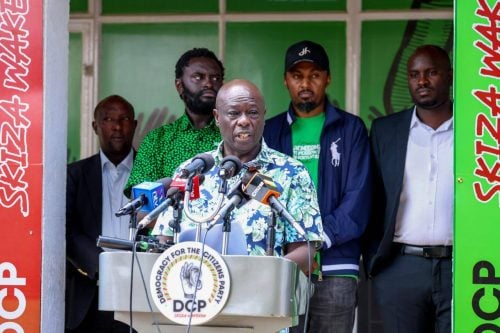
In Mombasa, he initially backed Mohammed Ali for governor before subsequent negotiations and compromises involving coalition partner Wiper altered the political equation.
Within central Kenya, several constituencies in Nyeri, Murang’a, Kiambu and Kirinyaga have become arenas of quiet competition between seasoned politicians allied to Gachagua and younger aspirants hoping to ride on growing anti-Ruto sentiment in the region.
In Nyandarua County, former MCA Kieru Wambui has declared his intention to vie for the Senate seat. Nonetheless, the position is widely viewed as being reserved for incumbent Senator John Methu, who is expected to serve as DCP’s secretary general.
The scramble for tickets
Similar scenarios are unfolding in Naivasha, Murang’a, Laikipia and Kiambu, where aspirants are positioning themselves for Senate and parliamentary contests while navigating internal party interests.
Former Nyeri Town MP Ngunjiri Wambugu has cautioned aspiring politicians against assuming that grassroots popularity alone will guarantee them party tickets.
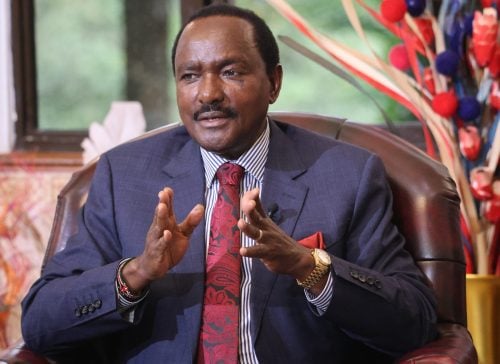
“My free advice to those there: Gachagua is in business. Unless your personal political brand is bigger than the party locally, he’ll sell off your ticket to the highest bidder in 2027,” he said.
“Even if you are the one who literally built the party at your mashinani [grassroots].”
His remarks reflect growing concerns among some politicians that internal calculations and strategic alliances may ultimately outweigh local support during nominations.
Meanwhile, in the Rift Valley, UDA is facing its own nomination dilemmas. While the ruling party remains dominant in many counties, a new generation of aspirants allied to President Ruto is increasingly challenging sitting leaders.
Several incumbents have come under criticism from sections of the party base, with opponents accusing them of underperformance or failing to remain aligned with the party’s agenda.
At the same time, professionals and youthful candidates are seeking to leverage the Kenya Kwanza administration’s political machinery to secure parliamentary and county positions, creating anxiety among sitting legislators.
In Nakuru County, Governor Susan Kihika faces growing competition not only from opposition figures but also from within UDA. Aspirants Hillary Kipngeno and Joseph Rotich have expressed interest in seeking the party’s gubernatorial ticket, setting the stage for a potentially fierce nomination battle.
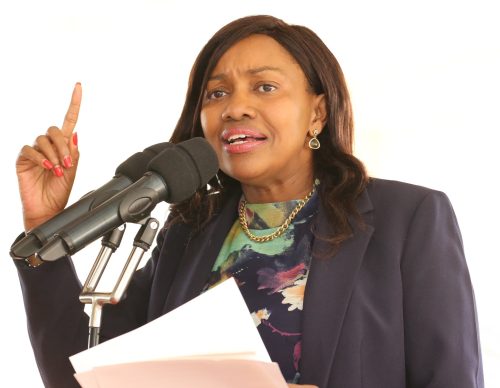
The situation is equally complex within Wiper. Party leader Kalonzo Musyoka is expected to face difficult decisions as he seeks to manage competing ambitions between Mavoko MP Patrick Makau and incumbent Machakos Governor Wavinya Ndeti.
Makau has already called for transparent party nominations free from interference by senior party leaders and opposition coalition principals.
The stakes could become even higher if opposition parties eventually agree on zoning arrangements aimed at preventing vote splitting in strategic regions.
Under such agreements, coalition partners may choose to support a single candidate in certain counties or constituencies, effectively denying other aspirants an opportunity to contest despite years of groundwork and investment.
As political temperatures continue to rise, party nominations are shaping up as one of the most critical battlegrounds ahead of the 2027 General Election.
For many aspirants, securing a party ticket may prove just as challenging as winning the election itself, making internal democracy a key factor in determining which parties emerge stronger from the contest.