Advertisement
Inside ODM’s bid to rebuild trust in party primaries ahead of 2027 polls
Saturday 09th May, 2026 12:20 AM|

With barely 15 months to the 2027 General Election, the Orange Democratic Movement (ODM) has launched an urgent internal push to restore confidence in its party primaries amid growing divisions over zoning, direct tickets and the future direction of the party.
The renewed focus on credible nominations comes at a critical moment for the late Raila Odinga-led outfit, which is seeking to consolidate its support base while managing mounting pressure from aspirants dissatisfied with past nomination exercises.
During a closed-door strategy session bringing together the party supremos, governors and Members of Parliament, ODM leaders have confronted the fallout from previous bungled nominations, admitting that repeated disputes had weakened the party’s influence and credibility in successive elections.
The meeting provided a rare platform for leaders eyeing elective seats in 2027 to openly express fears about the manipulation of the nomination process and demand reforms before the next electoral cycle begins.
You Might Also Like
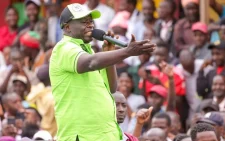

Key in the discussions was the growing concern that unresolved disputes over party primaries could deepen internal cracks within ODM at a time when the party is trying to strengthen its national footing.
In resolutions reached after the meeting, ODM directed the National Elections and Coordinating Committee (NECC) to immediately begin implementing reforms aimed at delivering transparent and credible nominations.
“We task the National Elections and Coordinating Committee (formerly the National Elections Board) to devise enhanced and fail-proof mechanisms for conducting free, fair, transparent and credible party nominations for all elective positions,” ODM resolved.
The party also ruled out the issuance of direct tickets, a move that had previously sparked rebellion among aspirants, particularly in ODM strongholds in Nyanza, Western and Coast regions.
The latest reforms are informed by painful lessons from the 2022 elections, when ODM’s digital voting system was accused of widespread manipulation.
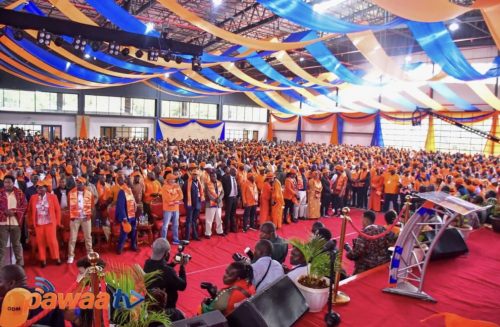
Audit exposes gaps
An internal audit conducted in 2023 revealed major weaknesses in the electronic voting system used during the nominations. According to findings of the review, some voting gadgets lacked adequate safeguards against rigging, while rogue officials colluded with candidates to manipulate results.
In some cases, party officials are said to have allowed candidates to walk away with the gadgets and use them to cast multiple votes in their favour.
The revelations reinforced long-standing complaints from aspirants who have repeatedly accused the party of failing to guarantee free and fair nominations.
ODM has in the past attempted to reform its electoral processes. After the chaotic 2017 nominations, former elections board chairperson Catherine Mumma was brought in to oversee reforms aimed at cleaning up the system.
The party had then formed a five-member review team comprising Mumma, Lawrence Gumbe, Alfelt Mumbo, Abio Gunda and Irshad Sumra to assess the credibility of previous nominations and recommend reforms.
The team concluded that ODM primaries had failed to meet the threshold of free and credible elections, further damaging confidence among aspirants and supporters.
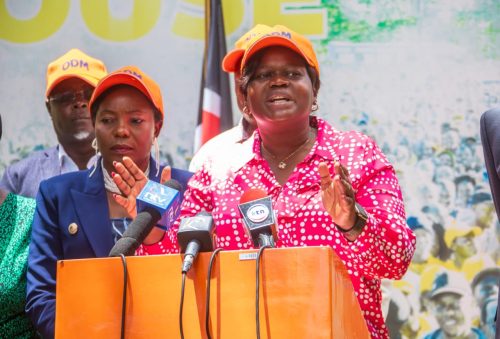
ODM National Chairperson Gladys Wanga has now admitted that restoring trust in the party’s nomination process remains one of the biggest political challenges facing the outfit ahead of 2027.
“The elections team is under firm instruction to come up with a system that will ensure a credible process. We want a system that will reassure our aspirants that they have a fair chance in the party,” Wanga said.
She added that the party leadership was determined to demonstrate a complete departure from past practices blamed for internal fallout.
“The party is committed to winning trust by demonstrating a clear break from past practices. Some of the plans we have in place include strengthening the National Elections Coordinating Committee by ensuring it is independent, impartial and professional,” she said.
Part of the proposed reforms includes the deployment of a verifiable digital party register to improve the integrity of the voter roll and strengthen transparency during vote counting.
“We will also put in place a credible and fast dispute resolution mechanism, where grievances are heard and determined before nominations are finalised,” the Homa Bay governor explained.
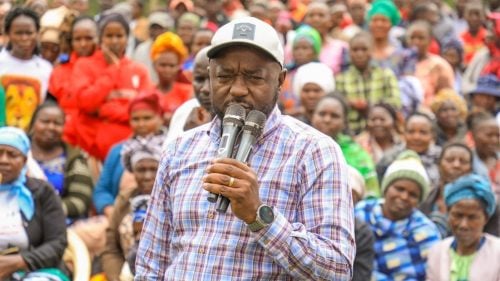
Zoning pressure
The reforms are also tied to wider succession anxieties within ODM as questions emerge over the party’s future in the absence of Raila Odinga’s direct influence on grassroots mobilisation.
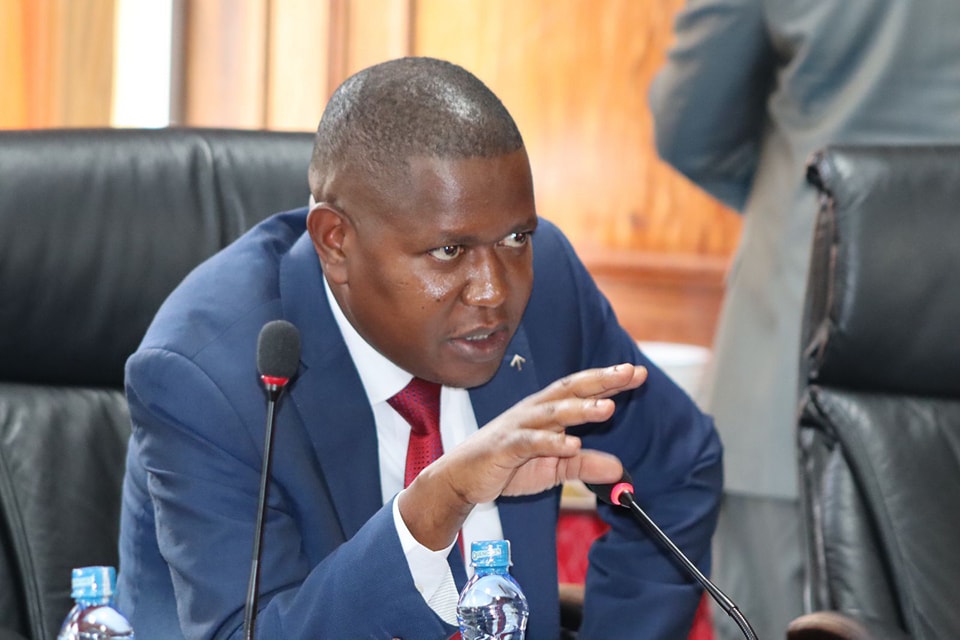
Uriri MP Mark Nyamita argued that credible nominations could become the party’s only survival strategy heading into the next election cycle.
“The only lifeline for the party in the 2027 elections is a free, fair and credible nomination. It is something the party has to invest in for survival,” he said.
The lawmaker, who is seeking the ODM ticket for Migori governor, warned that many aspirants still lack confidence in the current structures managing nominations.
“The biggest task for the party is to build trust that all aspirants seeking the party ticket have a chance to compete fairly. I can tell you that in the absence of Raila, it is only through a credible nomination that the party will remain relevant,” he said.
The debate over nominations has also intensified controversy surrounding zoning proposals within ODM strongholds, particularly in Nyanza, even as the Orange party remains hellbent.
Critics of zoning argue that the strategy is being used to shield incumbent leaders perceived to be loyal to the current party hierarchy from competitive primaries.
Despite the tensions, ODM says it will continue scouting for candidates across the country while revamping its youth and women leagues in an attempt to broaden its national appeal ahead of the high-stakes 2027 contest.
Author
Latest News





Advertisement
More on Inside Politics