Advertisement
Havi dismisses Ruto’s justification for uniting with Gideon Moi
Monday 13th October, 2025 07:37 AM|
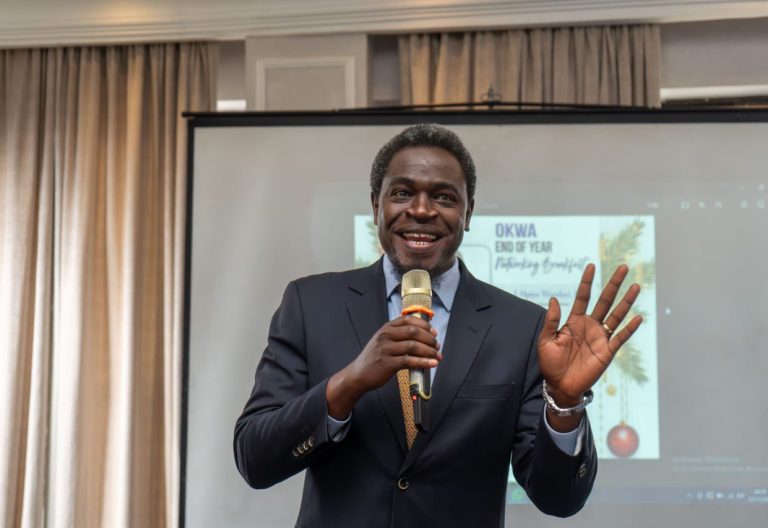
Former Law Society of Kenya president Nelson Havi has dismissed President William Ruto’s justification for meeting former Baringo Senator Gideon Moi, saying the move has nothing to do with improving the lives of Kenyans but rather serves personal political interests.
Speaking during an interview with a local media station on Monday, October 13, 2025, Havi said the uniting of the two leaders cannot be considered a meaningful step toward making Kenya a first-world country, as claimed by the president.
He questioned how the engagement between Ruto and Moi would address the country’s key challenges, such as the struggling healthcare system and high unemployment among the youth.
Havi argued that while the president has the constitutional right to associate with anyone, such engagements should be purposeful and focused on delivering tangible benefits to Kenyans.
You Might Also Like

“How does any engagement with Gideon Moi improve the almost-collapsed healthcare system in Kenya? How does engagement with Gideon Moi guarantee employment for about 15 million Kenyan youth who do not have employment? You see, as a matter of fact, President William Ruto has the constitutional right to associate with whoever he wants to associate with,” Havi said.
According to Havi, there is no problem when the two meet to advance their own political interests, as long as they use their own resources but what worries the nation is when such events are set up at the expense of resources meant for the public
“The question is, is he engaging them at his own cost or at our cost? As the deputy governor said, if he’s engaging them at his own personal cost, we have no problem. But if he’s engaging them at the cost of Kenyans, then there is a fundamental problem, and we take a profound approach with it,” he added.
Ruto’s defence
Havi’s remarks come a day after President Ruto defended his new political cooperation with Gideon Moi, describing it as a move aimed at uniting the nation and propelling Kenya toward first-world development standards.
Author
Latest News


Advertisement
More on Inside Politics