Advertisement
Dr Gikonyo: Uhuru-Raila handshake was the perfect opportunity to defeat tribalism
Saturday 06th June, 2026 08:23 AM|
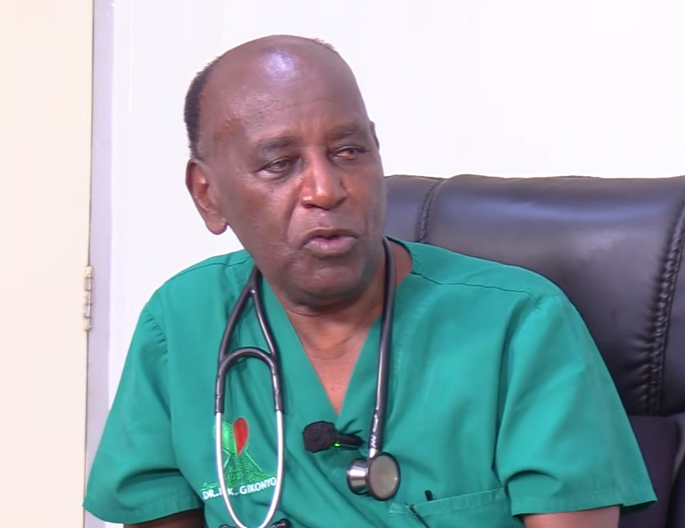
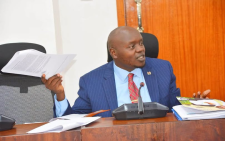
Karen Hospital proprietor Dr Daniel Gikonyo has come out to remark that the issue of tribalism in Kenya could have been resolved had Kenyans taken the 2018 handshake between retired President Uhuru Kenyatta and former Prime Minister Raila Odinga seriously.
Speaking during an interview with political analyst Herman Manyora on Friday, June 5, 2026, the renowned cardiologist stated that the handshake presented the country with a perfect opportunity to shun the tribal politics that had plagued Kenya for decades.
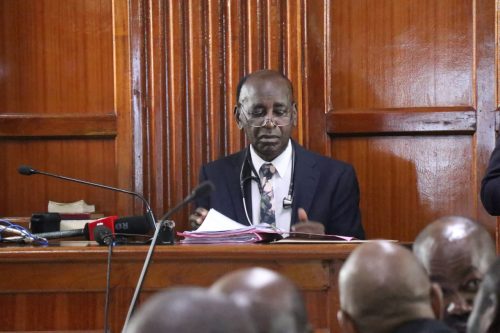
However, according to him, Kenyans squandered that moment and failed to fully embrace its message of unity.
“And I can tell you we lost an opportunity. The time would have slayed big, this tribal tag, when two fellows shook hands. When the son of Kenyatta and Raila Odinga, the son of Jaramogi, shook hands, that was the opportunity we lost. That was a time when we had brought the country together. All the problems on 66 in Limuru and 69, we had buried, but we squandered that.”
You Might Also Like
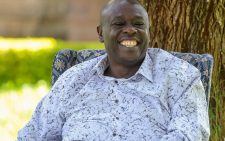
Dr Gikonyo argued that the two leaders represented communities that had historically differed on several political and social issues. Their decision to come together and publicly reconcile sent a powerful signal that the country could move beyond ethnic divisions and embrace national unity.
Past clashes
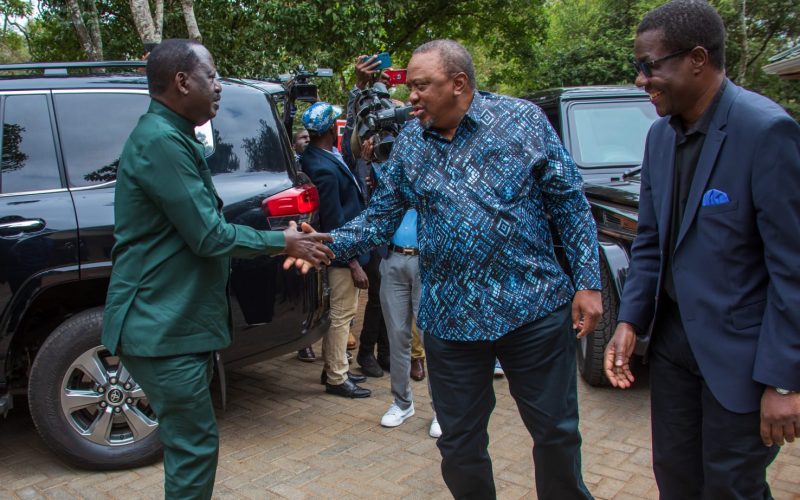
He further noted that many of the political tensions currently being witnessed, including those surrounding the events in Limuru in 1966 and the perception of “47 against 1” in national politics, could have been avoided had the spirit of the handshake been embraced across the country.
The medic maintained that the handshake, which later gave rise to the Building Bridges Initiative (BBI), had the potential to permanently heal the nation from the wounds of tribalism.
Unfortunately, he said, many Kenyans chose to continue perpetuating ethnic politics instead of nurturing the unity that had been demonstrated by the two leaders.
Mwai Kibaki’s 2002 perspective
His remarks come at a time when many political analysts also view the year 2002 as another missed opportunity to eradicate tribalism in Kenya.
They argue that the National Rainbow Coalition (NARC) victory, which united various regions behind the late President Mwai Kibaki to defeat KANU, presented a unique chance to foster national cohesion.
According to these analysts, tribalism could have been significantly weakened had the NARC principals remained faithful to the pre-election power-sharing agreement they had signed.
Instead, they argue, the arrangement was later downplayed, with President Kibaki appointing many of his close allies to key government positions, a move that some believe reignited ethnic political competition.
Dr Gikonyo, who has authored several books, expressed optimism that despite the challenges, the tribalism that has gripped Kenyan society will eventually come to an end.
Author
Latest News





Advertisement
More on Inside Politics
