Aukot slams Ruto for hypocrisy on corruption and accountability
By Kiprono Keileb, August 21, 2025ThirdWay Alliance Party Leader Ekuru Aukot has launched a scathing attack on President William Ruto, accusing him of embodying the very corruption he publicly condemns.
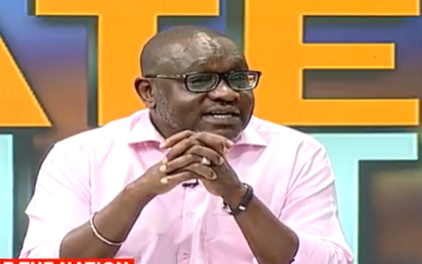
Speaking during a political talk aired by a local media on Thursday, August 21, 2025, Aukot challenged the president to account for his financial dealings, particularly the funds he distributes to churches and national sports teams.
“As much as Parliament is corrupt, President Ruto stands as the very epitome of corruption,” Aukot said. He urged the president to abandon what he described as a “facade of acting like a saint.”
Aukot’s remarks come amid heightened scrutiny of public officials, with many Kenyans increasingly questioning the sources of large sums of money reportedly disbursed by the presidency. Aukot insisted that the president’s call for accountability from MPs should be mirrored by transparency in his financial conduct.
“The same way he is demanding accountability from MPs, he should also explain where he gets the money he dishes out in churches and to Harambee Stars,” Aukot stated.
The Third Way leader argued that without such transparency, public trust in leadership remains fragile, and accusations of selective accountability will continue to erode government credibility. He noted that while corruption is a widespread challenge across Parliament, it is hypocritical for the president to demand integrity from others while allegedly failing to demonstrate it himself.
Aukot’s comments have sparked debate on social media, with supporters praising his forthrightness and critics warning against politicising financial scrutiny. Analysts say this tension reflects a broader national discourse on governance and accountability, particularly the need for leaders to lead by example in combating corruption.
By directly questioning the president’s actions, Aukot has reignited discussions about the role of political leaders in promoting transparency. Observers note that his statement may influence public perception and add pressure on both the executive and legislative branches to adhere to higher standards of integrity.
As calls for accountability intensify, Aukot’s intervention underscores a growing demand among Kenyans for leaders who are transparent, consistent, and answerable not just in rhetoric but in action.