Why Kenyans are still broke even as economic indicators look stable
By Aloys Michael, January 30, 2026Kenya’s inflation rate may appear stable on paper, but millions of households are feeling increasing financial pressure as the cost of necessities continues to rise.
New data from the Kenya National Bureau of Statistics (KNBS) shows that annual inflation stood at 4.4 per cent in January 2026, slightly lower than the 4.5 per cent recorded in December 2025.
However, food prices, which take the largest share of household spending, rose sharply by 7.3 per cent over the same period.
The Consumer Indices and Inflation report explains that the slower rise in headline inflation was partly due to base effects, meaning prices were already high during the same period in 2025.
Despite this, KNBS notes that price increases remain concentrated in essential items.
“The price increase was primarily driven by a rise in prices of items in the Food and Non-Alcoholic Beverages, Transport, and Housing divisions,” the report reads in part.
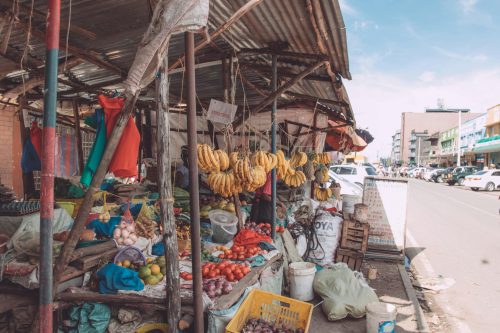
Food alone accounts for 32.9 per cent of the inflation basket, making it the single most important factor influencing the cost of living. When combined with transport and housing, these three categories account for more than 57 per cent of total household expenditure.
This explains why many Kenyans feel worse off even when inflation appears moderate.
KNBS data shows that several basic food items recorded steep price increases. Over the year to January 2026, prices of cabbages rose by 35.5 per cent, sukuma wiki by 23.5 per cent, and maize grain by 14.6 per cent. Fortified maize flour, a key household staple, increased by 7.4 per cent annually.
While prices of sugar and cooking oil declined slightly in January, KNBS notes that these reductions were small compared to the overall rise in food costs.
Transport costs added further pressure. Although petrol and diesel prices fell marginally in January, the transport index rose by 4.8 per cent over the year. Housing-related costs also increased, with electricity prices rising by up to 3.7 per cent in one month.

Education expenses continued to climb as well. KNBS data shows private secondary school tuition increased by 3.1 per cent in January, while pre-primary and primary tuition also recorded notable increases.
A key reason households feel squeezed lies in the difference between headline inflation and non-core inflation. Non-core inflation, which includes food and fuel, stood at a high 10.3 per cent, compared to core inflation of 2.2 per cent.
“Food and non-alcoholic beverages contributed 2.2 percentage points to the overall inflation,” KNBS said, noting the outsized impact of food prices on household budgets.
In contrast, sectors such as information and communication recorded very low inflation of 0.5 per cent, helping pull down the overall inflation figure. However, these items make up a smaller share of everyday spending for most households.
KNBS data shows that core inflation contributed 2.6 points to overall inflation, while non-core inflation contributed 1.8 points, highlighting the growing influence of volatile essentials.