Advertisement
Wandayi outlines govt plan for sustainable fuel reserves to end shortage fears
Monday 13th April, 2026 04:47 PM|

The government is now racing to set up massive fuel storage facilities capable of holding thousands of metric tonnes of fuel, in a major plan aimed at ending recurring shortage fears and stabilising supply during global shocks.
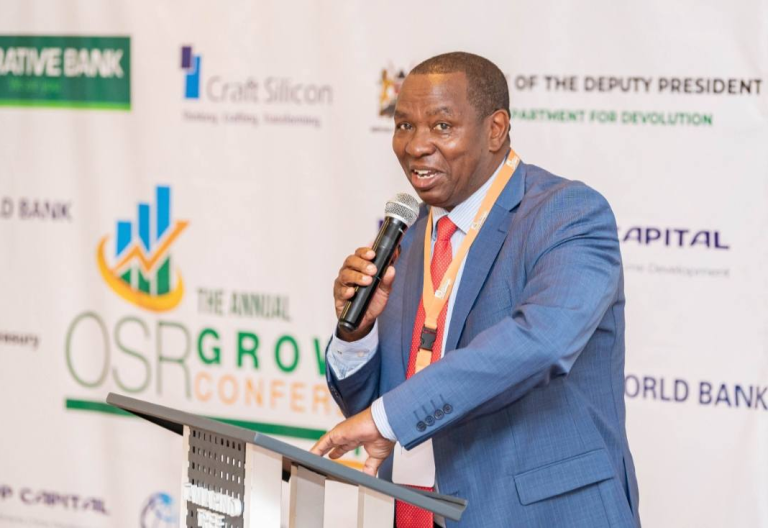
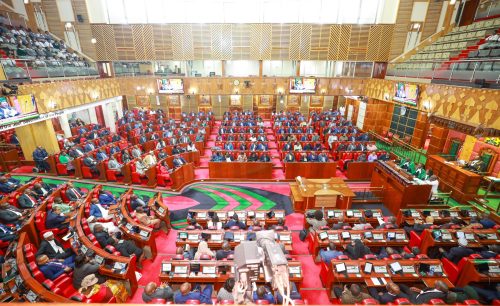
Speaking on Monday, April 13, 2026, when he appeared before a parliamentary committee, Energy and Petroleum Cabinet Secretary Opiyo Wandayi confirmed that the government is working on a strategy to establish sustainable fuel reserves, saying the country is currently exposed because it relies heavily on a just-in-time supply system.
“We are yet to establish fuel reserves. We are working closely with private players who want to partner with the government on storage, but as of now, the country relies on fuel as it comes,” Wandayi stated.
His remarks come at a time when Kenya is experiencing fuel supply pressures linked to global disruptions, including tensions in the Middle East, which have affected shipping routes and global oil stability.
You Might Also Like
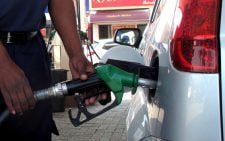

The situation has raised concern among motorists and businesses, especially over possible price increases in the next review by the Energy and Petroleum Regulatory Authority (EPRA).

Limited storage facility
According to the Kenya Pipeline Corporation, the country only holds enough imported fuel to last about 21 days under current conditions. In practice, the system is even tighter, with parts of the supply chain operating on shorter cycles.
In one recent shipment arrangement, Kenya received a 60,000 metric tonne fuel consignment that was expected to last around 14 days before the next delivery arrived at the port of Mombasa.
This, the CS said, shows how thin the buffer is between supply and shortage, and how quickly the country can be exposed if shipments are delayed.
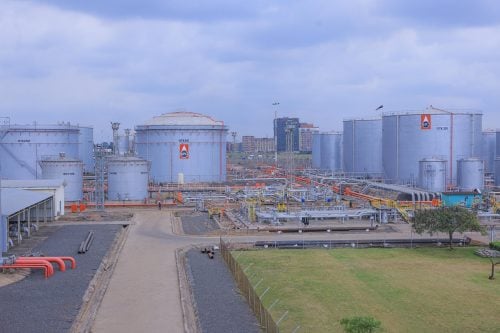
“While Kenya can technically import more fuel, the lack of large strategic reserves means the country has little room to absorb disruptions. Any delay in shipping, port handling, or distribution can quickly trigger panic in the market,” he explained.
Wandayi said vulnerability has been made more visible in recent months, following controversy around the importation of substandard fuel, which led to arrests and resignations of senior officials in the energy sector. The incident exposed weaknesses not only in quality control but also in supply coordination and planning.
Wanday’s proposal
Wandayi’s new plan seeks to change this long-standing challenge by introducing a more resilient system.
The government intends to work with private investors to build storage facilities that can hold fuel for longer periods, creating a national buffer that can cushion the economy during global or regional disruptions.
If implemented, the plan would mark a shift from Kenya’s current model, where fuel is largely consumed as it arrives, to a more strategic system where reserves are maintained for emergencies.
The Cabinet Secretary said the government is actively exploring partnerships under the public-private partnership (PPP) model.
This approach has been widely adopted by the Kenya Kwanza administration for infrastructure projects, allowing private firms to invest in major facilities while the government retains oversight and strategic control.
Under the proposed fuel reserve system, private companies would help finance, build, and operate storage facilities, while part of the capacity would be reserved for national use during crises.
“The idea is not only to prevent shortages but also to shield Kenya from sudden global price shocks and supply disruptions that often ripple into the local economy,” the CS remarked.
If successfully rolled out, Wandayi said the plan could position Kenya among a few African countries with strong strategic fuel reserves, reducing the panic that often follows delays in imports or global oil market instability.
Author
Latest News








Advertisement
More on Business