US-Iran peace deal: What this means for fuel prices in Kenya
By Aloys Michael, June 15, 2026A new United States (US)–Iran peace agreement has triggered fresh optimism in global oil markets, with direct implications for fuel prices in Kenya, where households and transport operators have been grappling with high energy costs.
The pact, expected to be signed in Switzerland, will extend a ceasefire for another 60 days while both sides negotiate a final agreement. One of the key outcomes already being signalled is the reopening of the Strait of Hormuz, a critical global oil shipping route.
Its partial closure in recent weeks has contributed to disruptions in oil supply chains, pushing up global crude prices and, in turn, increasing fuel costs in importing countries like Kenya.
With tensions easing, international oil markets are beginning to stabilise, raising hopes that landed costs of petroleum products could decline in the coming pricing cycles.
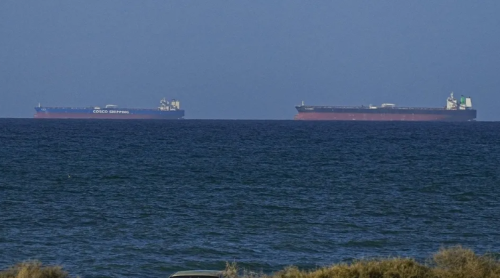
The Strait of Hormuz handles a significant share of global oil exports. Any disruption there immediately tightens global supply and drives up prices.
The US–Iran truce has therefore eased fears of further supply shocks, helping crude oil prices soften slightly in international markets.
For Kenya, which relies heavily on imported refined fuel, global price movements directly influence the Energy and Petroleum Regulatory Authority (EPRA) monthly price review.
A sustained reduction in global oil prices could ease pressure on local pump prices in the coming months.
However, the latest EPRA review shows that domestic pricing adjustments are still being shaped by subsidies and earlier import costs.

Kenya fuel prices drop
In its latest review, diesel prices have dropped by Ksh10 per litre effective Sunday midnight, supported by a record-high government subsidy aimed at cushioning consumers from the high cost of living.
A litre of diesel will now retail at Ksh222.85 in Nairobi, while petrol will fall by Ksh0.22 to Ksh 214.03 per litre. Kerosene prices remain unchanged at Ksh146.93 per litre.
A record subsidy of Ksh34.07 per litre of diesel has been applied to prevent a sharper increase in pump prices.
President William Ruto had earlier pledged a Ksh10 reduction in diesel prices, but adjustments in the fuel import pricing formula initially raised uncertainty about whether consumers would benefit from the cut.
“In the period under review, the maximum allowed petroleum pump prices for super petrol and diesel decreased by Sh0.22 and Sh10, respectively, while the price of kerosene remained unchanged,” the Energy and Petroleum Regulatory Authority (EPRA), said on Sunday, June 14, 2026.

This announcement confirmed the partial relief for consumers, especially transport operators who rely heavily on diesel.
The drop in diesel prices comes as Kenya continues to battle rising inflation, which recently edged to 6.7 per cent, nearing the government’s preferred cap of 7.5 per cent.
Higher diesel prices have been a major driver of inflation due to their impact on transport and food distribution costs.
Will fuel prices drop further?
The reduction offers temporary relief, but economists warn that sustained stability will depend on global oil trends and subsidy sustainability.
The landed cost of diesel rose slightly by 0.21 per cent to Ksh 168,079.25 per cubic metre, while petrol costs declined marginally to Ksh116,988.59 per cubic metre. These figures continue to influence the final pump prices set by EPRA.
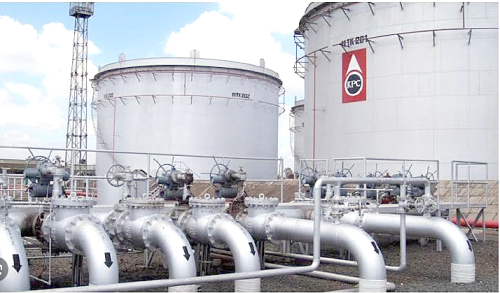
Public transport operators, who had previously staged protests over high diesel costs, are expected to reconsider fare adjustments following the price drop.
However, many argue that fare reductions may not happen immediately due to accumulated operational costs from previous price hikes.
The government’s continued subsidies and the easing of geopolitical tensions between the US and Iran are expected to play a key role in determining whether further fuel price reductions will follow in the next review cycle.
If the US–Iran peace deal successfully stabilises oil flows through the Strait of Hormuz and global crude prices continue to ease, Kenya could see additional downward adjustments in fuel prices in the coming months.
For now, the combination of domestic subsidies and improving international supply conditions offers cautious optimism for Kenyan consumers facing a persistently high cost of living.