Advertisement
Trade CS Lee Kinyanjui says Middle East de-escalation could ease global oil prices
Saturday 18th April, 2026 11:38 AM|

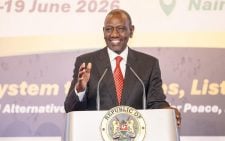
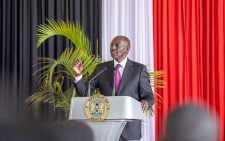
Kenya’s Cabinet Secretary for Investments, Trade and Industry Lee Kinyanjui has welcomed reports of easing tensions in the Middle East, citing expected global economic relief.
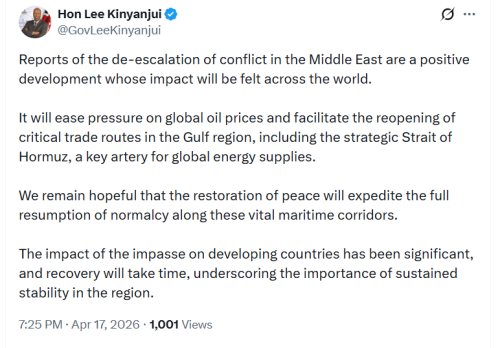
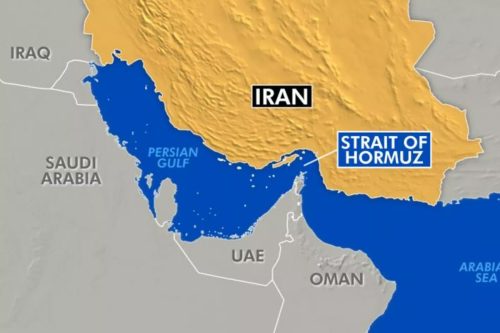
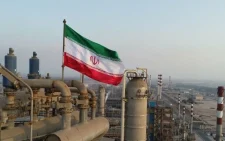
In a statement shared on X on April 17, 2026, Kinyanjui pointed to reduced pressure on oil prices and the reopening of key maritime routes, including the Strait of Hormuz, a major global energy transit corridor.
“Reports of the de-escalation of conflict in the Middle East are a positive development whose impact will be felt across the world. It will ease pressure on global oil prices and facilitate the reopening of critical trade routes in the Gulf region, including the strategic Strait of Hormuz,” CS Kinyanjui stated.
He noted that the restoration of stability in the Gulf region could support recovery for economies affected by supply disruptions, while emphasizing the need for sustained peace to ensure long-term normalization of trade routes.
Markets react to reopening of shipping route
You Might Also Like

Global energy markets responded sharply following confirmation by Abbas Araghchi that the Strait of Hormuz had been reopened to commercial shipping under a 10-day ceasefire arrangement.
The truce between Israel and Lebanon took effect on April 16, allowing vessels to resume passage through designated routes coordinated by Iranian authorities.
Brent crude prices dropped by more than 10 percent to trade between $88 and $98 per barrel, down from a recent high of $119 recorded during the peak of the crisis. European gas prices also declined, with benchmark contracts falling by approximately 6.4 percent.
Stock markets across Europe and the United States recorded gains following the development. Germany’s DAX and France’s CAC indices rose by about 2 percent, while the Dow Jones, S&P 500, and FTSE 100 also posted upward movements.
The easing followed weeks of disruptions linked to hostilities involving Iran, which had significantly reduced shipping activity through the strait and disrupted global energy supply chains.
Implications for Kenya and global trade
The disruption had affected over 800 tankers, including about 300 oil and gas carriers, with daily transits dropping significantly. The International Energy Agency described the situation as one of the largest energy supply crises in recent history.
For Kenya and other import-dependent economies, the crisis translated into higher fuel costs, increased transport expenses, and pressure on the prices of essential goods. Kinyanjui indicated that such disruptions also pose risks to export sectors, including horticulture, tea, and coffee, which rely on stable global shipping networks.
While the reopening of the Strait of Hormuz provides short-term relief, attention remains on the durability of the ceasefire and the pace at which shipping operations will return to normal. The United States, under Donald Trump, has maintained its naval blockade on Iranian ports pending a broader agreement, signaling that negotiations are ongoing.
The developments mark a shift toward easing tensions, with governments and markets monitoring the situation as global supply chains begin to stabilise.
Author
Latest News




Advertisement
More on Business