Advertisement
Thika inches closer to becoming Kenya’s newest city after Senate committee approval
Friday 17th July, 2026 03:39 PM|
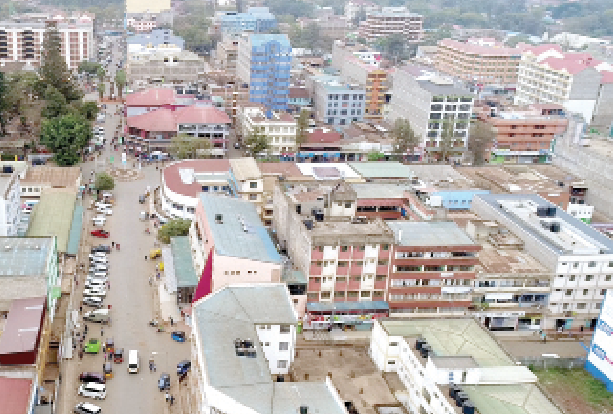
The Senate Devolution and Intergovernmental Relations Committee, chaired by Wajir lawmaker Sheikh Abbas, has recommended that Thika Municipality be elevated to city status, marking the dawn of a new era for its hundreds of thousands of residents.
The recommendation, tabled before the Senate on Friday, July 17, 2026, urges lawmakers to approve the conferment.
“That the Senate approves the conferment of the city status to Thika Municipality and the resolution of the Senate be transmitted to the President for the issuance of a Charter pursuant to section 7 of the Urban Areas and Cities Act,” reads part of the report.
Once passed, the resolution will land directly on the president’s desk for the final issuance of a city charter, pursuant to Section 7 of the Urban Areas and Cities Act.
You Might Also Like


For the people who call Thika home, this is not just a bureaucratic promotion; it is a hard-fought validation of their town’s resilience, rapid growth, and vibrant community spirit.
Public participation
During the committee’s public participation phase, the atmosphere in Thika was charged with anticipation. Local traders, jua kali artisans, and families gathered to voice their dreams and daily anxieties.
The Senate committee observed that shifting to a city status would provide an important platform to accelerate development, improve daily service delivery, and spark local economic growth.
For the average resident, this milestone promises better opportunities, all anchored on a sustained commitment to good governance, prudent financial management, and responsive urban planning.
Yet, becoming a city is about more than just changing a name on a map; it is about rewriting the daily lived experience of its citizens.
The Senate’s blessing came with a strict, empathetic caveat: the urban glow must reach every residential estate, ensuring the human element of Thika is not left behind in the rush for modernisation.
90-day ultimatum to Governor Wamatangi
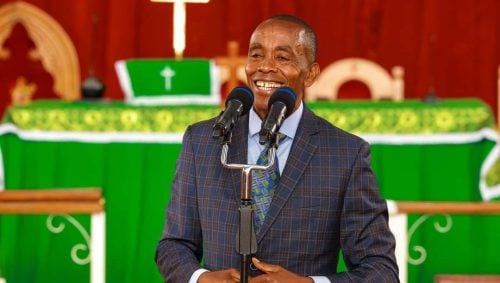
To ensure these promises manifest on the ground, the Senate gave Kiambu Governor Kimani Wamatangi a firm 90-day deadline to submit comprehensive work plans that directly address the core concerns raised by residents during the public participation process.
The governor’s mandate includes expanding water supply coverage so clean water flows reliably into every home, rebuilding ageing drainage systems to protect families from seasonal floods, and completely overhauling solid waste management.
“The committee observes that Thika Municipality has demonstrated notable progress in strengthening its institutional, financial and infrastructural foundation and the conferment of the city status,” reads part of the report.
In addition, the Senate committee demanded immediate action on upgrading infrastructure and service networks, including the crumbling road systems weaving through local neighbourhoods.
This ensures that the wealth generated in the commercial centre translates into smoother, safer commutes for families heading home.
This urban transformation seeks to honour Thika’s soul and cultural heritage alongside its economic growth.
Part of the 90-day ultimatum requires the county to fully operationalise the local public theatre and the museum interpretive centre.
For years, local artists, musicians, and youth have longed for a dedicated space to create, perform, and preserve their stories.
By reviving these cultural sanctuaries, Thika’s leap into the future remains deeply rooted in its rich history, offering the younger generation a constructive, creative stage for their talents.
In a striking glimpse of what tomorrow looks like, the committee highlighted the county’s forward-thinking plans to modernise waste management through cutting-edge technology.
The Senate report captured this balance beautifully, noting that Thika Municipality has demonstrated notable progress in strengthening its institutional, financial, and infrastructural foundations.
As the report awaits the final nod from the Senate floor and the President’s pen, a tangible sense of pride hangs heavy in the air in Thika.
The smoke from the old industrial town is clearing, revealing a smart, culturally vibrant metropolis. For the marketplace vendor, the young tech-enthusiast dreaming of digital solutions, and the artist waiting for the theatre doors to swing open, Thika’s new chapter is finally here.
They are no longer just residents of an industrial municipality; they are the pioneers of Kenya’s newest city.
Author
Rawlings Otieno
View all posts by Rawlings OtienoLatest News






Advertisement
More on Business